

Britain has told Berlin it wants a deeper relationship with the European Union, using its first prime ministerial visit to an EU capital since July to prepare the ground for a summit with Brussels on November 20.
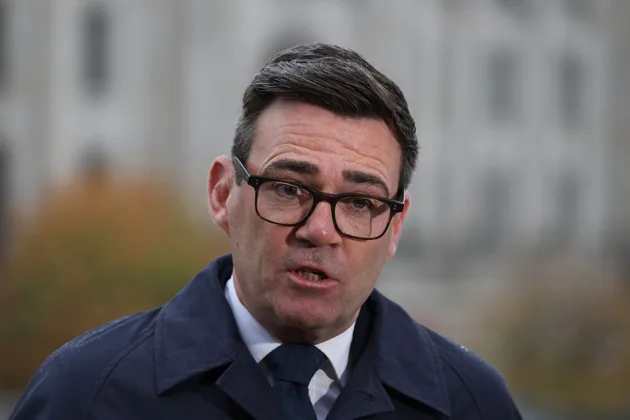
Prime Minister Andy Burnham, who took over from Keir Starmer in July, said alongside German Chancellor Friedrich Merz that he was committed to closer cooperation with the bloc. He named economic growth and irregular migration as the areas where London wants to move first.
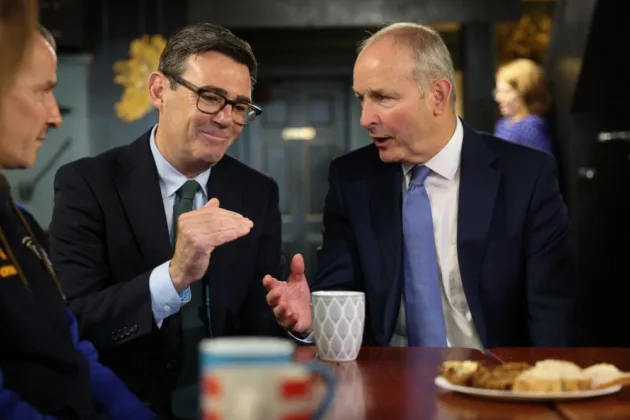
Merz welcomed the shift and called the British exit from the European Union regrettable. The two leaders also ratified the Kensington Treaty, signed in 2025, and launched a joint partnership against sabotage, cyber attacks and other hybrid threats they attribute mainly to Russia.
The courtship comes with a price attached. London fears that the European Commission’s “made in Europe” industrial plans, drawn up to shield EU producers from cheap Chinese imports as Brussels presses Beijing over its export surge, would lock British firms out of European defence loans and subsidies.
British officials are weighing higher tariffs on Chinese electric cars to bring the country into line with the bloc. That would leave Brussels setting British tariffs, the opposite of the trade independence Brexit was meant to deliver.
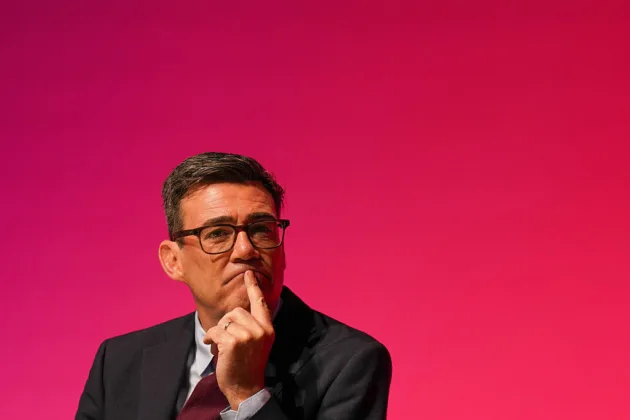
Burnham reopened the question at the Labour Party conference in Liverpool, telling delegates that Brexit had done “more harm than good” and promising to set out options for the long term, up to and including re-entry.
The response from several EU capitals was warm. French President Emmanuel Macron offered a public welcome back and Spanish Prime Minister Pedro Sánchez said Madrid would applaud a British return.
Brussels itself has been more measured. The European Commission said it was for the British Government to define the relationship it wants, and EU officials have signalled that a change of tone is not the same as a change of substance after a decade of British resets.
The constraints are domestic as well. Burnham remains bound by the 2024 Labour manifesto, which rules out the customs union, the single market and free movement until the next general election, due in 2029.
Reform UK deputy leader Richard Tice accused the Prime Minister of trying to “sneak us back into Brussels via the back door”. A Survation poll in June found 55 per cent of voters would choose to rejoin if a referendum were held again.