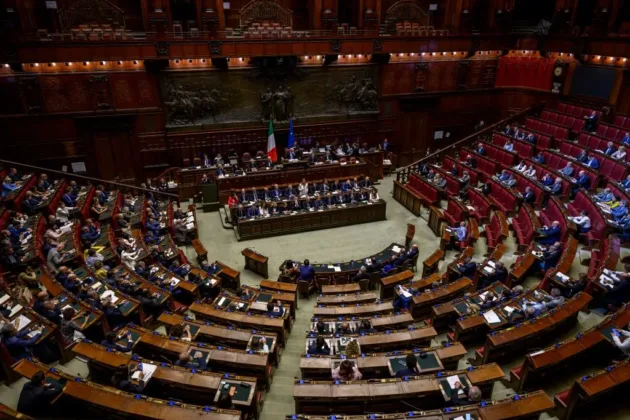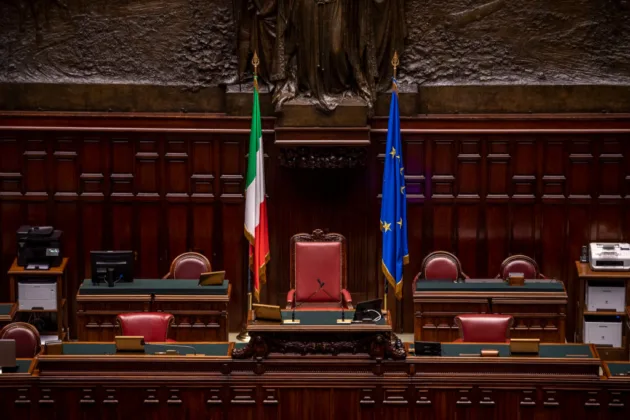




Italy has opened the way back to nuclear energy, almost 40 years after it turned its back on atomic power. The Senate gave the enabling law final approval on September 23 by 81 votes to 51, with seven abstentions.
The so-called delegation law on sustainable nuclear power had already cleared the Chamber of Deputies on June 4. The Senate passed it unchanged, completing its journey through parliament.
The governing Brothers of Italy, League and Forza Italia were joined by the centrist Action party. The Democratic Party, the Five Star Movement and the Greens and Left Alliance voted against, while Italia Viva abstained.
Prime Minister Giorgia Meloni hailed the law as a brave and common-sense choice. She said nuclear power meant greater energy security, less dependence on foreign suppliers and less exposure to international crises.
Environment and energy security minister Gilberto Pichetto Fratin, who sponsored the bill, called it a historic day for Italy. He said the implementing decrees would be drafted before the end of the year.
The law itself authorises no reactor. It gives the government 12 months to issue decrees on licensing, safety, spent fuel, radioactive waste and site selection, with a further 24 months for corrections.
It follows a principle of technological neutrality covering small modular reactors (SMRs), microreactors and fusion. Pichetto Fratin has said the first reactor could be running by 2033 or 2034.
Italy’s national energy and climate plan foresees between 8GW and 16GW of nuclear capacity by 2050, enough to cover 11 to 22 per cent of electricity demand.
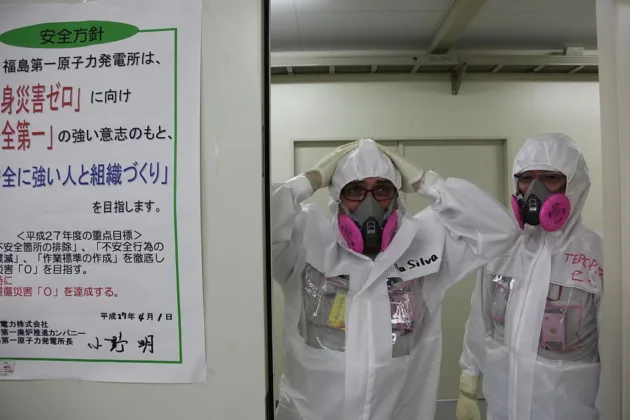
Italy ran four reactors before voters rejected nuclear power in a 1987 referendum held after the Chernobyl disaster. A second referendum in 2011, following Japan’s Fukushima accident, blocked an earlier revival.
The country has since relied heavily on imported energy, including electricity from nuclear plants across its borders. The Meloni government has cited the energy shocks from the Ukraine War and the conflict involving Iran as reasons to bring the atom back.
Public opinion appears to have shifted. A June survey by research firm Only Numbers found about 55 per cent of Italians backed next-generation nuclear plants, according to AP.
Critics remain unconvinced. Michele Governatori, a senior adviser at climate think tank ECCO, said the framework would “make clear the limited interest of private investors” in technologies not yet competitive or ready.
Industry estimates put the cost of a single 300-megawatt SMR at between €3 billion and €6 billion ($3.5 billion to $7 billion). Italy still lacks a permanent national repository for waste from its old programme.
The vote comes as France, Poland and other European Union member states invest in new nuclear projects.