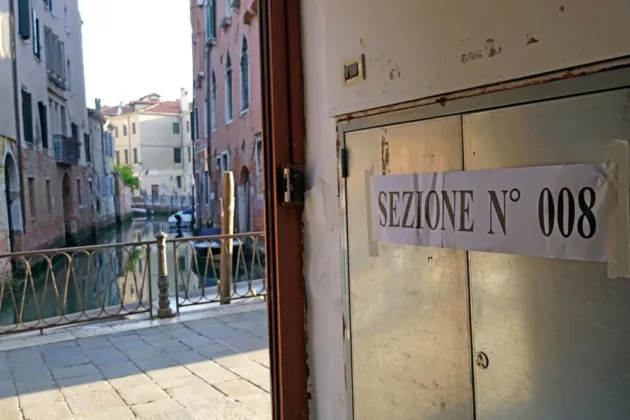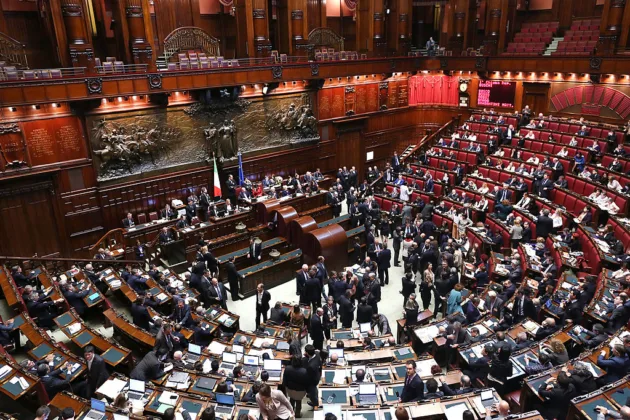







A senator from Prime Minister Giorgia Meloni’s Fratelli d’Italia (Brothers of Italy) has tabled an amendment reintroducing a national run-off into Italy’s electoral reform, reopening a dispute inside the governing coalition two weeks before the Senate is due to vote.
Marcello Pera lodged the proposal on August 31, hours before the amendment deadline in the Senate constitutional affairs committee. Around 697 were filed by noon on September 1, most from the opposition.
Pera’s text would award the seat bonus in the first round only to a coalition passing 48 per cent in both chambers. Failing that, the top two blocs would face a run-off, provided each had cleared 38 per cent, with no fresh alliances allowed.
Forza Italia had prepared a rival run-off amendment setting the bar at 40 per cent but dropped it at the last minute. The Lega remains opposed to a second round.
The bill, nicknamed the “Stabilicum” by its backers, would replace the mixed system in use since 2017 with proportional representation plus a bonus of 70 seats in the 400-member Chamber of Deputies and 35 in the 200-member Senate.
That bonus would go to any list or coalition taking more than 42 per cent of the vote. The Chamber approved the text on July 16 by 217 votes to 152 with two abstentions, in a secret ballot.
Preference voting was thrown out there by a single vote. The coalition parties have since signed a joint Senate amendment restoring it, with up to three preferences for candidates other than blocked list leaders.
Voting in the upper house is to be open rather than secret. The centre-left has filed eight joint amendments, seeking to strike out the requirement that coalitions name a prime ministerial candidate when they register their symbol and to lift the bonus threshold to 45 per cent.
Opposition parties describe that requirement as a directly elected premiership brought in without amending the constitution.
The Council of Europe’s Venice Commission advises that the core elements of an electoral law should not be changed less than a year before polling. Italy’s next general election is due by autumn 2027.
Committee votes are scheduled through September 5, with floor debate opening on September 9. Any change made in the Senate would send the bill back to the Chamber.
Until both houses pass an identical text, the 2017 law stays in force. The arithmetic also turns on Roberto Vannacci, whose Futuro Nazionale has overtaken Forza Italia in the polls and has so far stayed outside the coalition.
Fratelli d’Italia sits with the European Conservatives and Reformists group in the European Parliament. The 2027 result would decide whether Rome keeps a right-wing voice at the EU’s top table.