
The Italian Government has approved a decree banning the burqa and niqab in schools and capping the share of pupils with inadequate Italian at 30 per cent of each first-year class.
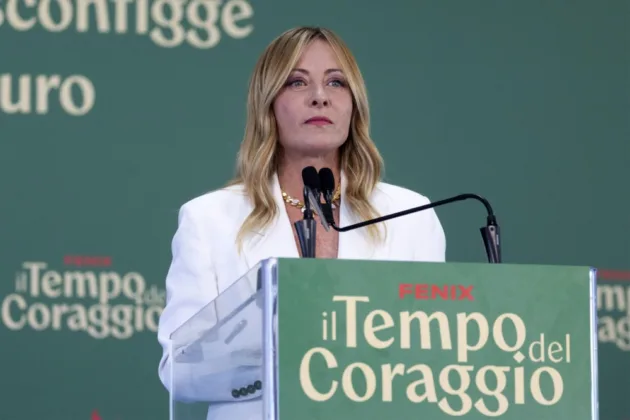
The Council of Ministers adopted the measure on September 24, days after Prime Minister Giorgia Meloni unveiled the plans at a rally of the youth wing of her Brothers of Italy (FdI) party.
Announcing the decree on X, Meloni described the package as common-sense tools that would integrate rather than divide. She said it would prevent ghetto classes and allow every pupil to start from the same point.
The ceiling would apply to new enrolments from the 2027-28 school year. In primary schools it covers non-citizens born abroad or who have not attended two years of Italian preschool, while in secondary schools it covers those without three successful years in the Italian system.
Education minister Giuseppe Valditara said some 34,000 classes had more than 30 per cent foreign pupils. He added the rule would affect only about 1,000 classrooms and existing classes would not be broken up.
Local education authorities would redistribute surplus pupils to nearby schools, with exemptions for family circumstances and distance. Schools unable to comply would receive extra funding for language support.
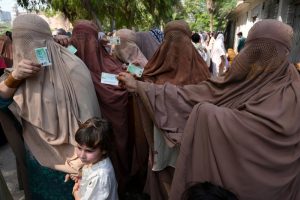
The decree bars pupils, staff and parents from covering their faces during school activities except for proven health or security reasons, according to Wanted in Rome. The hijab, which leaves the face visible, is not affected.
Offenders face fines of between €200 and €1,000 ($230 to $1,140), with parents liable when the wearer is a minor. The same fines would apply to parents who skip compulsory Italian courses when their child’s poor grasp of the language seriously hinders progress at school.
Valditara said an earlier draft allowing such children to be removed from their families had been circulated by the opposition and was not the final text.
Democratic Party (PD) leader Elly Schlein called the decree shameful and accused the government of hiding its failures on school buildings and teachers’ pay behind an ideological banner. Antonello Giannelli, head of the national association of school principals, said the aim was educationally sound but hard to put into practice.
Critics linked the timing to pressure on immigration from MEP Roberto Vannacci’s National Future party, which has backed the proposals, ahead of the 2027 general election.
Full-face veils are already restricted in several European Union member states, including France and Belgium. In October 2025 FdI tabled a bill to ban them in all public spaces.
As a decree-law, the measure still requires the signature of President Sergio Mattarella, who has warned against ghetto schools. Parliament would then have 60 days to convert it into law.