





The Eurogroup has opened the search for a successor to Isabel Schnabel on the Executive Board of the European Central Bank (ECB) and has given member states until October 28 to submit names. Eurozone finance ministers are due to return to the question at their next meeting, on November 9.
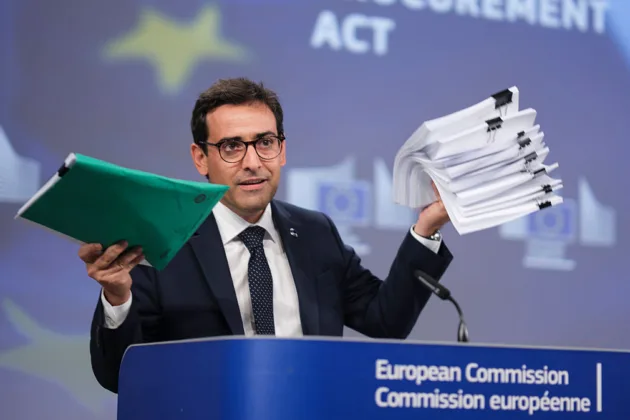
Eurogroup President Kyriakos Pierrakakis said after talks in Luxembourg on October 8 that ministers had “set 28 October as the deadline for submitting candidacies”, so the matter could be taken up at the November meeting.
The selection of a candidate falls to the Eurogroup. The appointment itself is made by the European Council, on a recommendation from the Council of the European Union and after the ECB and the European Parliament have been consulted.
Pierrakakis said he expected the selection to take place in November, though he declined to guarantee it. Asked again whether the succession would be settled then, he said politics had taught him not to make predictions about selection processes.
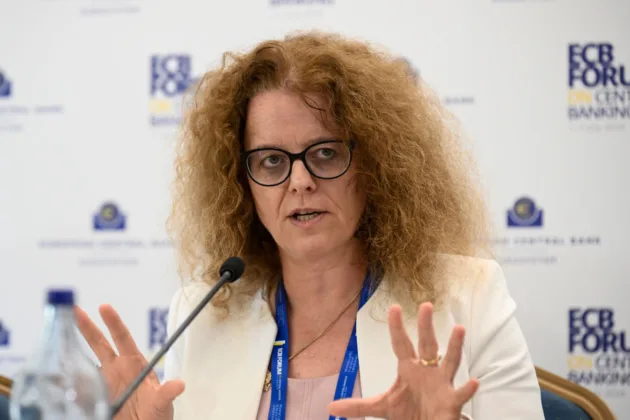
The procedure was triggered after ECB President Christine Lagarde wrote to European Council President António Costa requesting that the formal steps begin. Schnabel announced on September 24 that she would step down on January 3, almost a year before the end of her term.
She is to become financial counsellor and director of the monetary and capital markets department at the International Monetary Fund (IMF) from January 4, 2027. The seat she vacates has been held by a German without interruption since the ECB was created.
It is the first of three senior departures. Chief economist Philip Lane leaves in May 2027 and Lagarde’s mandate runs to October of that year, with persistent speculation in EU capitals that she will go sooner.
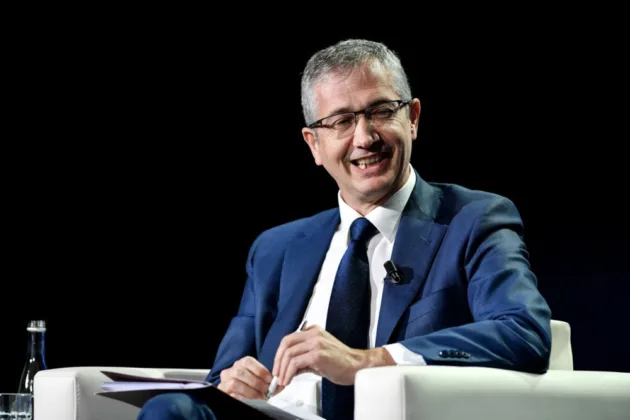
That sequence has turned a single board vacancy into the opening move in a wider bargain over the top jobs. Spain, which has already put forward Pablo Hernández de Cos for the presidency, lost the vice-presidency this year when Luis de Guindos’s term ended and Croatia’s Boris Vujčić took over.
The bargaining is under way as the currency bloc’s public finances deteriorate. At the same press conference, Pierrakakis said the EU public deficit was projected to reach 3.5 per cent of GDP in 2026, against 1.7 per cent when ministers last examined the efficiency of public spending in 2016.
The average yield on 10-year government bonds has risen from 1.1 per cent to 4 per cent over the same period, he said, while defence commitments push spending higher and debt levels remain elevated in several member states.