





The European Parliament has backed a three-year delay to methane emissions obligations on importers of natural gas, crude oil and coal, two years longer than the European Commission had proposed.
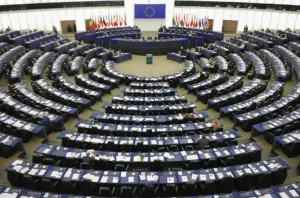
MEPs approved the negotiating position in Strasbourg, France, on October 22 by 341 votes to 225, with six abstentions. The file was handled under the urgent procedure to speed up the change of deadlines.
Under the text, importers would have until May 31, 2031 to show that supply contracts signed or renewed since August 4, 2024 cover only fuel subject to monitoring, reporting and verification measures equivalent to EU rules.
The same deadline would apply to reporting on steps taken to adapt earlier contracts. Producers and importers would have until August 2031, rather than 2029, to file their first reports on the methane intensity of the fuels they sell, meaning the amount of gas released during production and supply.
European oil and gas operators would gain three further years to submit verified reports combining measurements taken at each emission source and across their installations, with new deadlines of February 2030 for sites they run directly and August 2031 for those they do not.
Parliament kept the current timetable for oil, gas and coal from countries under EU sanctions, whether exported directly or routed through third countries. Companies would have to declare those volumes separately, even in blended cargoes, and the Commission would draw up an indicative list of the states concerned.
The Commission had proposed a one-year postponement on October 14, citing the conflict in the Middle East and the pressure it has put on fuel supplies and prices. The 2024 methane regulation is due to apply to importers from January 1, 2027, with fines of up to 20 per cent of annual turnover.
Parliament President Roberta Metsola said the vote was about “strengthening Europe’s energy security”. Governments including France and the United States had pressed Brussels to act, as had the energy ministers of Qatar, Algeria and Nigeria, who told EU leaders in June that there was no viable path to compliance.
The Greens’ lead negotiator on the regulation, Jutta Paulus, called the three-year delay an “absolute scandal”. Environmental groups said the vote served the fossil fuel industry rather than households facing high bills.
The text also asks the Commission to report by July 1, 2029 on how the rules are working and on any risks to security of supply, covering national penalty systems and verification mechanisms. MEPs want Brussels to propose further changes if the difficulties persist.
Parliament must now negotiate a final text with the Council of the European Union, which represents the governments of the 27 member states, before the change can take effect.