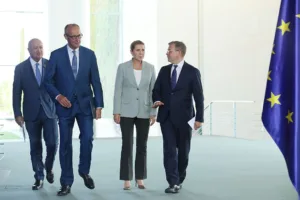

The prime ministers of Denmark, Sweden and Finland have urged the European Union to leave the emissions trading system untouched, warning that any loosening of its rules would put industrial investment at risk and slow the fall in emissions.
Their letter went on October 14 to European Council President António Costa, European Commission President Ursula von der Leyen and Irish Prime Minister Micheál Martin, whose country holds the rotating presidency of the Council of the European Union.
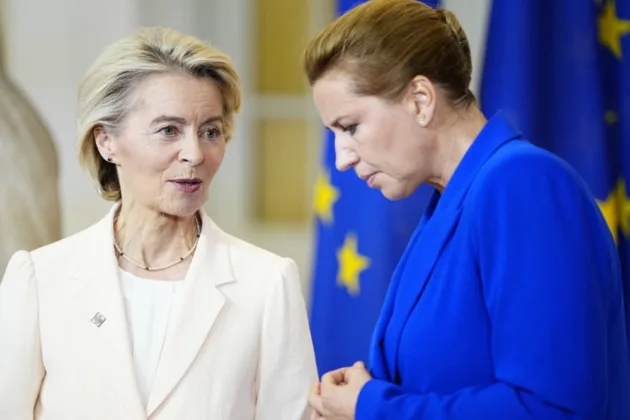
Mette Frederiksen of Denmark, Ulf Kristersson of Sweden and Petteri Orpo of Finland said the integrity and ambition of the scheme had to be preserved. Known as the ETS, it obliges the most polluting industries to pay for the carbon dioxide they emit.
Weakening it “would undermine the predictability on which investment decisions depend”, the three wrote, and would risk slowing the pace of industrial decarbonisation.
Lighter obligations on heavy emitters would simply move the burden on to other parts of the economy, they argued, forcing deeper cuts elsewhere to meet the bloc’s climate targets.
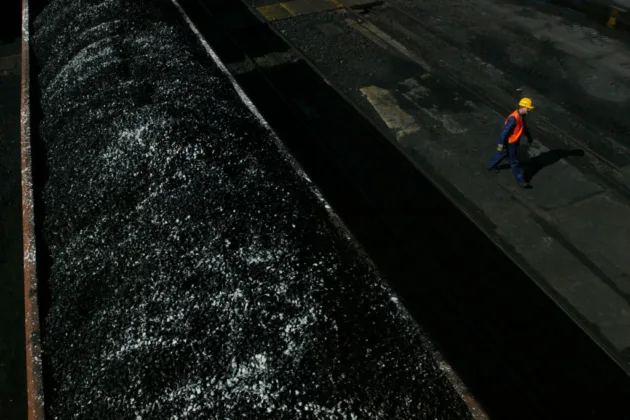
The three governments want a steady and demanding reduction in the number of allowances available on the market, so that companies keep cutting their pollution. They also want to retain the mechanisms that adjust the supply of permits and prevent sharp swings in their price.
Carbon pricing had been among the most effective and cheapest instruments of European climate policy over the past two decades, the letter said, and had driven innovation and the modernisation of industry.
Europe’s shift to climate neutrality required long-term investment on an unprecedented scale, the leaders added, and companies needed predictable and reliable rules before committing the money.
The appeal lands as Brussels retreats on one green file after another. The Commission proposed in July to slow the pace of emissions cuts in the carbon market and to extend free permits for heavy industry until 2038, and a day before the summit it moved to delay methane reporting duties for importers of gas, oil and coal.
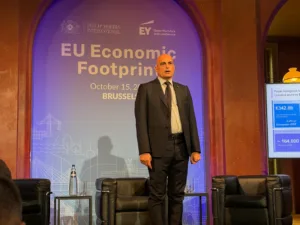
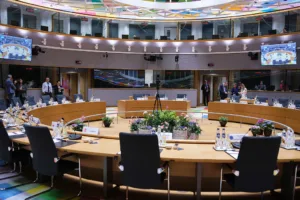
EU leaders meet in Brussels on October 15-16 with the review of the carbon market on the agenda. Italy, the Czech Republic and Estonia are among those pressing to push ETS2, the new market covering road transport and heating fuels, beyond its 2028 start.
The three Nordic capitals have fought off earlier attempts at postponement, with Luxembourg alongside them. Their difficulty is that the mood has shifted, with high energy prices and the cost of living pushing other member states to seek relief for households and industry rather than tighter carbon rules.