


The European Commission has proposed delaying by one year a set of methane emissions obligations on importers of natural gas, oil and coal, rules that had been due to apply from January 1, 2027.
The amendment to the 2024 methane regulation covers the monitoring, reporting and verification duties placed on companies buying hydrocarbons from outside the European Union. It also pushes back methane intensity reporting, which applies to EU producers as well as to importers.
Brussels said the move would relieve pressure on European industry and national administrations, and give operators more time to adapt as rising energy costs threaten European competitiveness.
The Commission tied the proposal to the conflict in the Middle East and to the risk that tension on international markets could disrupt fossil fuel supplies to Europe.
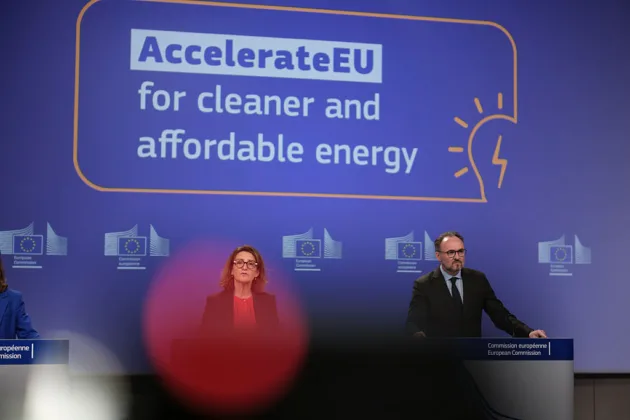
“We need to be flexible and pragmatic in the implementation of our rules,” said European Commissioner for Energy and Housing Dan Jørgensen. He said the EU’s climate ambition was undiminished, though shielding citizens from price volatility and avoiding further risk to supply had become the priority.
Pressure for a delay had been building for months. Governments including France and the United States pushed Brussels to act, and French President Emmanuel Macron wrote to Commission President Ursula von der Leyen in September warning of legal exposure for importers.
Exporting countries had already objected. The energy ministers of Qatar, Algeria, Nigeria and the United States told EU leaders in a June letter reported by Brussels Signal that there was no viable path to compliance, and warned of consequences for supply and prices.
Operators face fines of up to 20 per cent of annual turnover for breaches. German importers have argued that the penalties could push foreign suppliers towards Asian buyers rather than the European market.
The Commission insisted the postponement did not affect the ambition, integrity or scope of the regulation, which phases in obligations on methane released in the production and transport of energy inside the EU and on imported fuel.
The retreat fits a wider pattern. The Commission proposed in July to slow the pace of emissions cuts in the EU carbon market and to extend free pollution permits for heavy industry until 2038.
The text now goes to the European Parliament and to member states in the Council of the European Union, which must both approve it. The Commission said it would keep working with national authorities and the energy sector on compliance with the rules still in force.
Brussels issued two recommendations in July on how operators might meet the requirements and on penalties. On October 12 it opened a consultation on the emissions declaration templates companies will have to use.