
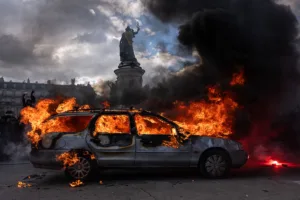

Looters have returned to central Paris for a second night, hours before the French Government met for emergency talks on some of the worst disorder the country has seen in decades.
The Paris police prefecture said it had made 108 arrests in the capital on October 18, 66 of them in the evening. It said scattered groups of young opportunists had been trying to break into shops and that officers were intervening systematically to disperse and detain them.
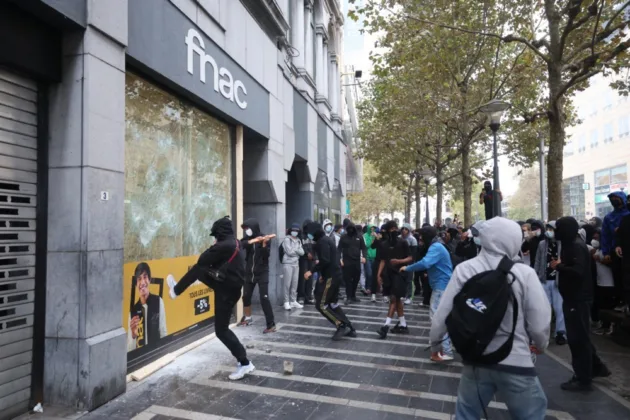
At least five shops were looted, among them a clothing store, an electrical goods store in the Belleville district and two supermarkets. A door of the BHV Marais department store was forced open and looters got inside.
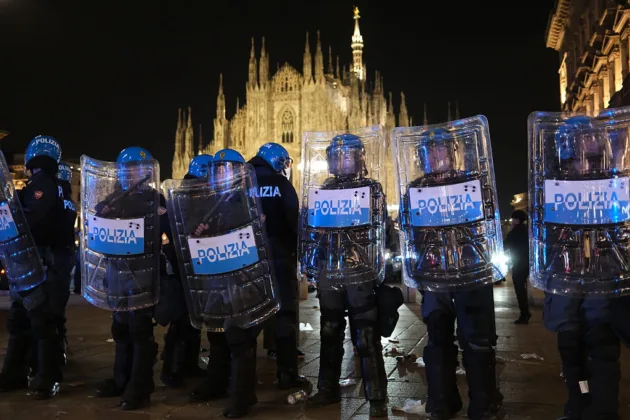
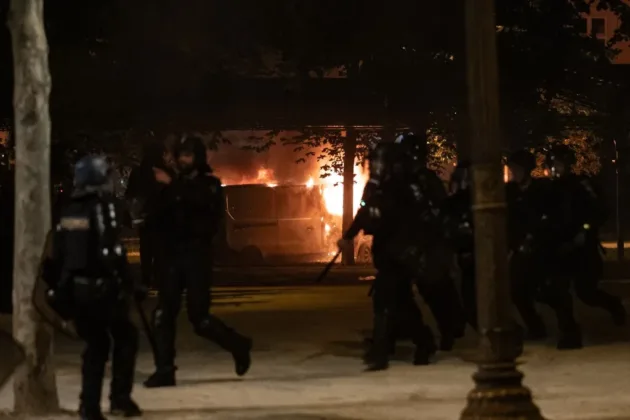
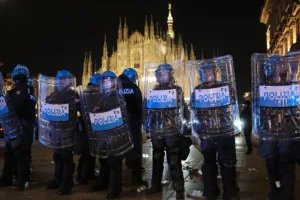
Police were deployed in strength around the Châtelet-Les Halles shopping area, firing tear gas and stun grenades at several points in the city centre. Attempted break-ins were also reported in Lyon, Marseille and near Nantes, western France.
The disorder followed nationwide demonstrations on October 17 against the cost of living and conditions in state schools. The interior ministry put the number of arrests at 2,397 and said about 1,000 police, gendarmes and firefighters had been injured, seven of them seriously.
Authorities counted 550,000 demonstrators, while the General Confederation of Labour (CGT) union said more than 800,000 had taken part. In Paris, 855 people were arrested and 557 held in custody, according to the prosecutors’ office, which is also investigating the death of a man from a heart attack.
Around 1,500 businesses were looted or destroyed across the country. Town halls, prefectures and shops were attacked, and the 19th-century town hall in Limoges, central France, was gutted by fire.
President Emmanuel Macron addressed the nation on the evening of October 18, speaking of anger and shame and promising that those responsible would pay. He announced neither a state of emergency nor a curfew, drawing criticism from the opposition and from within his own camp.
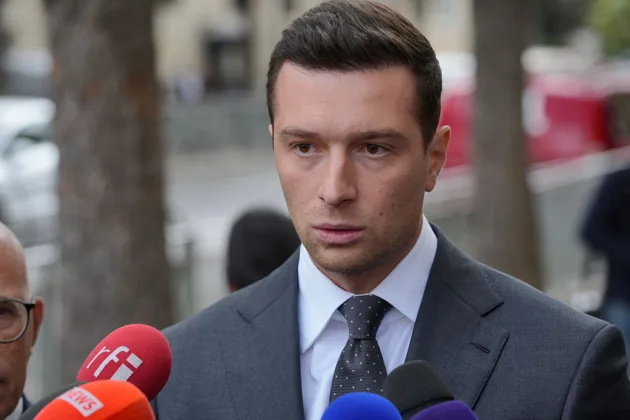
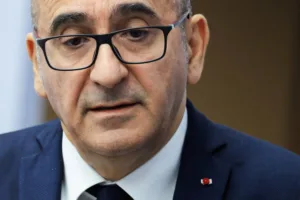
Interior minister Laurent Núñez blamed left-wing groups for instigating the violence, saying opportunistic criminals had joined in later. Ministers have made much the same claim about the school revolt that has convulsed France since September.
Prime Minister Sébastien Lecornu held a crisis meeting on October 19, while the mayors of Paris, Marseille and Lyon sought urgent talks of their own. Macron rejected an offer of resignation from Núñez the same day.
The Association of Mayors of France called for gatherings outside town halls at midday on October 19 in protest at the attacks on public buildings. Lecornu’s minority government faces a first vote on its 2027 budget the following day.