





Investors pursuing compensation for Spain’s retroactive cuts to renewable energy subsidies have won four more rulings in the United States, taking to 13 the number of American decisions against the Spanish State, by creditors’ own count. The sums recognised by those courts come to about €935 million.
The four decisions, reported on October 7, cover claims originally brought by OperaFund, Schwab, Steag and Renergy, all now held by Blasket Renewable Investments, a US fund that has bought up much of the Spanish portfolio. District judge Randolph D. Moss refused Spain’s requests to dismiss or suspend the cases and ordered the awards enforced.
They follow a ruling signed on September 24 by the same judge in favour of Eurus Energy Holdings, a subsidiary of Toyota, worth €106.2 million in principal and more than €110 million once interest and costs are added. The four new cases add a further €98.1 million.
All stem from awards issued under the Energy Charter Treaty, the accord that lets energy investors sue governments, and handed down by tribunals of the World Bank’s International Centre for Settlement of Investment Disputes (ICSID).
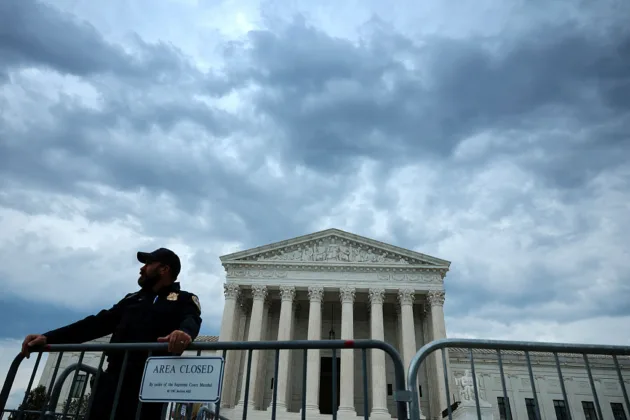
The run of judgments has followed the refusal of the US Supreme Court on June 29 to hear Spain’s appeal, which closed the broadest line of defence left to the Spanish Government. Madrid had argued that European Union law bars arbitration between a member state and an investor from another member state, and that it was therefore immune.
That case rests on the European Court of Justice rulings in Achmea and Komstroy, and on the European Commission, which decided in March 2025 that paying a €101 million award to the French investor Antin would amount to illegal State aid. American judges have declined to treat either as binding.
With recognition largely settled, creditors have turned to finding assets. They have used US discovery powers to subpoena the Federal Reserve Bank of New York and The Clearing House Payments Company, which operates the CHIPS dollar clearing system, seeking records of payments linked to Spain and to State-owned bodies.
The courts have set limits, though. Judges have quashed subpoenas aimed at Raytheon and Palantir over Spanish defence contracts, and have declined for now to treat the State holding company SEPI as an extension of the State itself.
US law shields sovereign property used for public purposes, so creditors are hunting commercial assets such as shareholdings, receivables and payment flows. Elsewhere they have frozen about €250 million in Belgium and won clearance in the Netherlands to sell the Utrecht building that houses the Instituto Cervantes.
The Spanish Government has said it will keep contesting recognition of the awards on EU law grounds.