










Austria has warned that it will not back a deal on the European Union’s next long-term budget unless the spending plan is cut far more deeply than proposed so far.
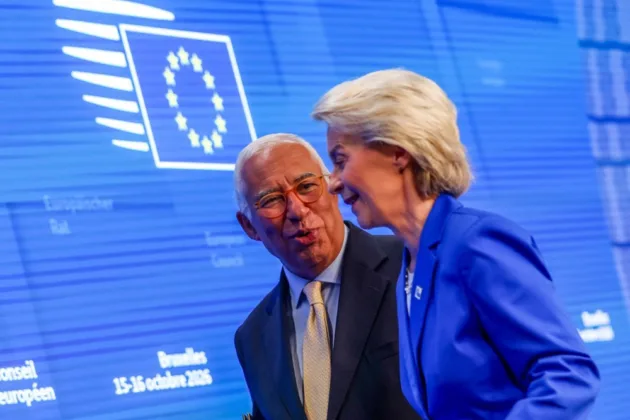
The warning came one day before European Council President António Costa was due to present a new compromise to the 27 member states on November 21.
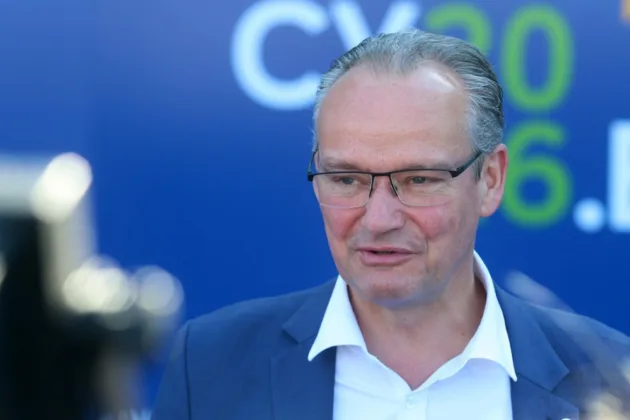
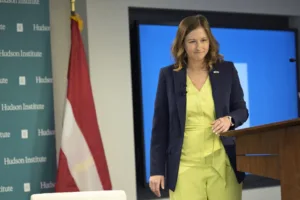
Austrian Europe minister Claudia Bauer told Rapporteur that setting priorities meant taking politically uncomfortable decisions. She said the EU could not keep its existing budget and add more spending for new tasks on top.
“I stand by this: cuts of several hundred billion euros,” Bauer said.
She described the previous compromise, tabled by the Irish presidency of the Council of the European Union on October 10, as a step in the right direction. That text took €141 billion, or 8 per cent, off the European Commission’s proposal for 2028-2034, according to the presidency.
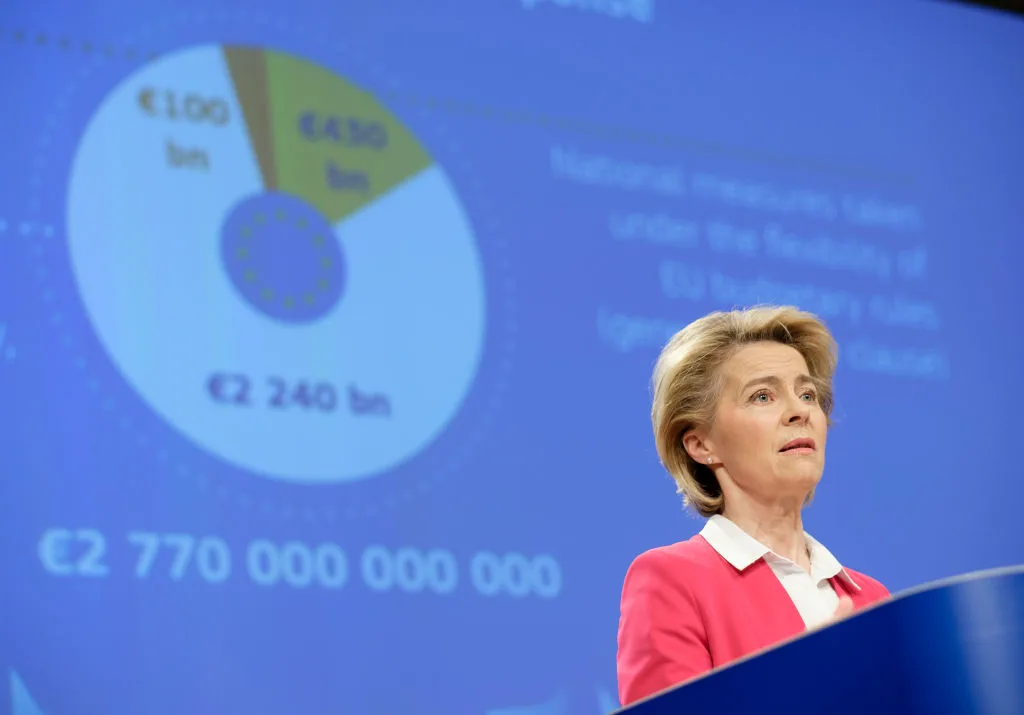
The EC’s original plan is worth almost €2 trillion in current prices. Austrian Chancellor Christian Stocker said in September, after meeting Costa in Vienna, that this amounted to a 60 per cent increase and could not be financed.
Bauer also played down the idea that new EU-wide taxes, known as own resources, could fill the gap. She said such revenues were no remedy for every problem, Rapporteur reported.
Costa, who took over the talks from the Irish presidency in October, has looked to new Brussels taxes as a way to avoid deeper cuts.
Austria belongs to a group of six net contributors led by Germany, alongside Denmark, Finland, the Netherlands and Sweden. Their leaders called on August 27 for the EC proposal to be reduced by several hundred billion euros.
While Vienna wants the overall total reduced, it also wants enough money kept for agriculture and for cohesion, the funding for poorer regions, according to Rapporteur.
A group of 17 southern and eastern member states known as the Friends of Cohesion rejects cuts to payments for farmers and regions. The European Parliament, which must give its consent to the budget, has also opposed further reductions.
Agence Europe reported on November 19 that Costa could propose cuts of about €200 billion compared with the EC plan. According to the agency’s diplomatic sources, farm spending would be spared while cohesion and external aid would be reduced.
EU leaders are due to discuss the proposal at a special summit in Brussels on November 26-27. Any deal requires unanimity, which gives Austria and every other capital a veto.
Costa has said an agreement must be reached by the end of this year so the budget can start on January 1, 2028. Stocker has said that deadline should not be met at any price.