



France has rejected the latest compromise on the European Union’s next long-term budget, although the text hands Paris the digital tax it had demanded.
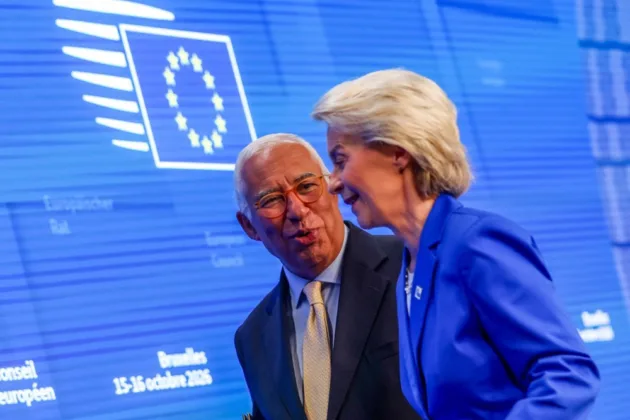
European Council President António Costa presented the revised negotiating box in Brussels on November 21. It set the 2028-2034 budget at about €1.78 trillion in current prices, some €204 billion below the European Commission’s original proposal.
The draft included a 3 per cent levy on the turnover that large technology companies make from online advertising, digital intermediation and user data. It would apply to firms with global turnover above €750 million and was expected to raise about €5 billion a year.
According to German news agency dpa, the levy responded in particular to French demands. Paris had pressed for new EU revenue sources, known as own resources, as the price of a deal.
The office of French President Emmanuel Macron said the same day that the text was very disappointing and could not serve as a basis for an agreement. It said the proposal fell short on the Common Agricultural Policy (CAP), in particular on guaranteeing income support for farmers.
Spending on agriculture, fisheries and cohesion would be about €54 billion, or 5 per cent, lower than in the Commission’s plan, Euronews reported.
Germany objected from the opposite direction. Chancellor Friedrich Merz said the cuts were a first step but that the total remained too high.
He argued that an EU budget growing by more than 40 per cent did not fit a period in which member states were consolidating their own finances. Germany is the largest net contributor and Merz has also tied his approval to all 27 member states sharing the cost of financing Ukraine.
The digital levy was one of several new or increased charges that Costa proposed to fund the EU institutions. Others covered tobacco, emissions trading and electronic waste and together they were expected to bring in slightly more than €60 billion a year.
Costa took over the budget talks from the rotating Irish presidency after leaders failed to narrow their differences on October 15. His text went further than the Irish compromise, removing more than €40 billion extra.
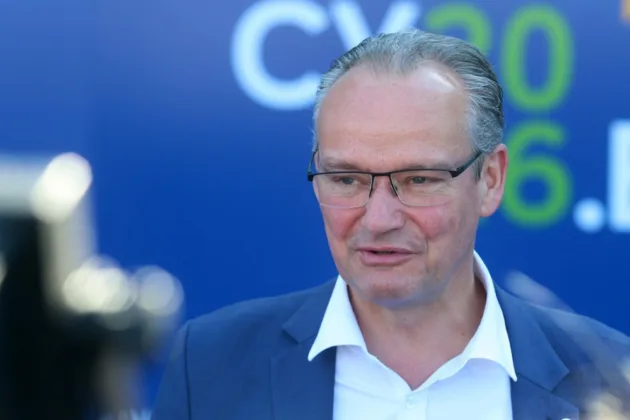
The European Parliament, which must give its consent, has also pushed back. Siegfried Mureșan, one of its two lead negotiators on the budget, called the proposal unacceptable, according to AFP.
Leaders would meet for a special summit in Brussels on November 26-27, with a regular European Council to follow on December 17-18.
Macron was reported to have told fellow leaders in October that there would be no political room for a deal from January. France is due to hold a presidential election in April 2027.