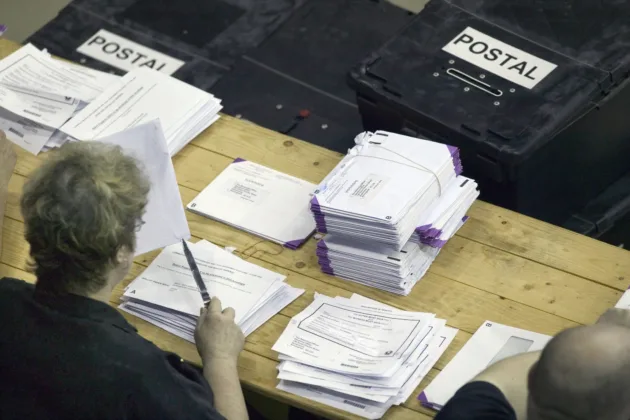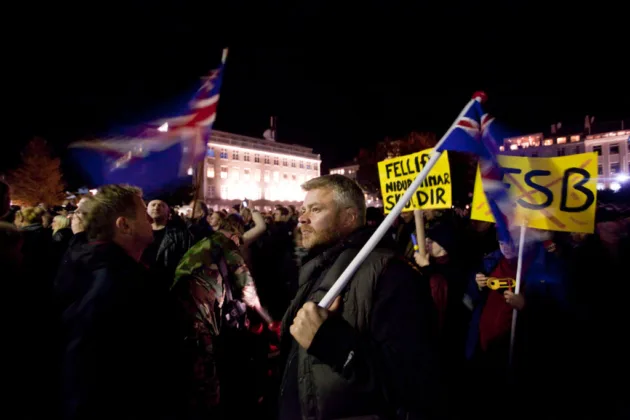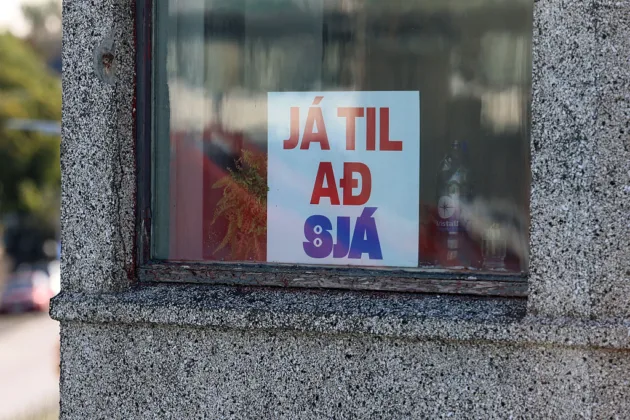

The results are in, and the verdict from Reykjavík is brutal. On August 29 the people of Iceland went to the polls and delivered a decisive, embarrassing slap in the face to European Commission President Ursula von der Leyen and her eurocratic apparatus. Asked whether their sovereign island nation should resume accession talks with the European Union, Icelanders looked at the state of the modern EU, weighed their options and firmly said No. The No camp finished on 52.8 per cent against 47.2 per cent, a gap of just under 13,000 votes, on a turnout of 82.6 per cent.
For the federalist elite in Brussels, this referendum was supposed to be a low-hanging PR triumph, a sweet narrative showing a wealthy, stable North Atlantic democracy eager to seek shelter under the European umbrella amid geopolitical turbulence. Instead, it has turned into a public humiliation and a damning indictment of the European Union’s terminal decline.
Think about the sheer scale of this rejection. Iceland is a nation of barely 400,000 people. It sits on the strategic frontline of the North Atlantic. Yet, even when faced with growing global instability, a small, exposed nation concluded that Brussels offers neither real security nor genuine protection. On the contrary, Icelanders correctly calculated that tying themselves to the EU would compromise their national security, hand control of their rich fishing grounds to continental bureaucrats and drag them into economic stagnation.
Who can blame them? The images streaming out of the European mainland today do not project strength, stability or civilisational confidence. They project a continent in freefall: burning forests, suffocating regulations, stagnant industrial output, skyrocketing energy costs and daily civil unrest fuelled by borderless mass migration.
Why would a prosperous, orderly nation sacrifice its independence to jump aboard a sinking ship?
Had Iceland yielded to the siren song of the eurocrats, the outcome would have been predictable. Within years, its pristine territorial waters would be swarmed by foreign fishing fleets operating under Brussels’ disastrous Common Fisheries Policy. Its quiet towns would be drawn into the solidarity mechanism of the EU’s Pact on Migration and Asylum, which obliges member states either to take in relocated asylum seekers or to pay for others to do so.
The fishing industry led the No campaign and the coast delivered the verdict. Reykjavík was the only part of the country to return a Yes majority, and early counts from the capital had Yes close to 58 per cent before the rural and coastal constituencies reported. Enlargement Commissioner Marta Kos had spent the campaign promising creative solutions for Iceland’s “unique specificities on fisheries and agriculture” and membership by 2028, and Icelanders were not buying it.
In short, joining the EU nowadays does not guarantee prosperity. It imports dysfunction, erosion of law and societal decay.
Icelanders read the writing on the wall. They looked across the water at a bloc that lectures the world on values while proving entirely incapable of defending its own borders or protecting its own citizens. They chose self-governance over centralisation, national sovereignty over bureaucratic paralysis and common sense over ideological repression.
This referendum is far more than a minor diplomatic setback for von der Leyen and her Commission. It is pure geopolitical repudiation. It signals to the entire world that the EU’s power, leverage and soft-power attraction are evaporating in real time. Wealthy, free nations no longer view EU membership as a prize or a shield, but as a dangerous liability that destroys national prosperity, demographics and independence.
Prime Minister Kristrún Frostadóttir has said the question will not return during her term, which runs to 2028, and the fate of the 2009 membership application now rests with the Althing, Iceland’s parliament. Her own reading of the result was that Icelanders are content with the European Economic Area deal they already have.
Brussels can issue as many glossy press releases about “solidarity and enlargement” as it wants. European Council President António Costa told Frostadóttir the EU fully respected the democratic choice of Icelanders, and Kos was still insisting days later that enlargement is moving again. The cold reality from the Arctic has exposed the truth: When invited to join the EU, sovereign nations that wish to survive and prosper are choosing to run in the opposite direction.