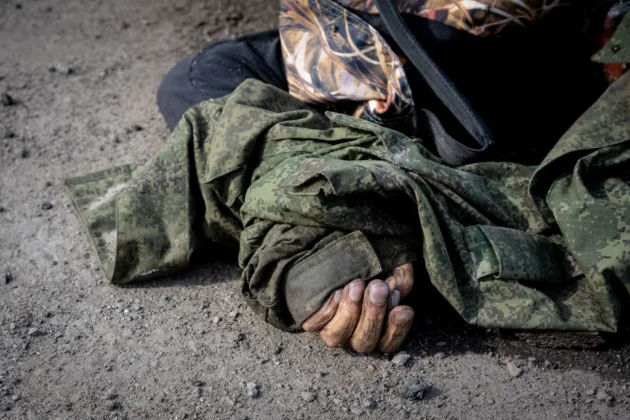




Independent Russian journalists have verified the identities of 213,858 Russian military personnel killed in the war against Ukraine, marking another grim milestone in the conflict now entering its fifth year.
Mediazona, working in partnership with the BBC Russian Service and a network of volunteers, released the updated count on April 24. The figure represents an increase of more than 5,100 confirmed deaths since their previous report in early April.
The database draws exclusively from publicly available information, including obituaries posted by relatives, local government announcements, cemetery records and social media memorials.
Journalists cross-checked every entry to avoid duplicates, making the tally one of the most rigorous independent counts available.
Even so, the outlets stress that the true death toll is substantially higher, as many families do not publicise losses and official records remain largely hidden.
Among the identified fallen are more than 7,000 officers, including at least 15 generals.
The list also reflects the heavy use of convicts recruited from Russian prisons, as well as contract soldiers and mobilised reservists.
Disproportionate losses continue to fall on ethnic minorities and residents of poorer, remote regions.
The pace of confirmed deaths has remained high throughout 2025 and into 2026, driven by intense fighting in Donetsk Oblast and other frontline areas.
The largest group of casualties came from volunteers, with 79,300 people. 24,000 were recruited prisoners and 18,500 were mobilised soldiers.
Mediazona’s ongoing work provides a rare window into the human cost borne by Russian society, even as the Kremlin suppresses information and continues aggressive recruitment campaigns.
Ther outlet’s website maintains a searchable public database of the confirmed cases, which continues to expand as new information emerges from across Russia.
Ukrainian officials report Russian total casualties — killed, wounded and missing — exceeding 1.3 million.
Western intelligence assessments broadly align with the scale of losses suggested by open-source data, although exact figures vary.
Russia has not released official casualty statistics since the early weeks of the invasion and routinely denounces independent counts as fabricated.
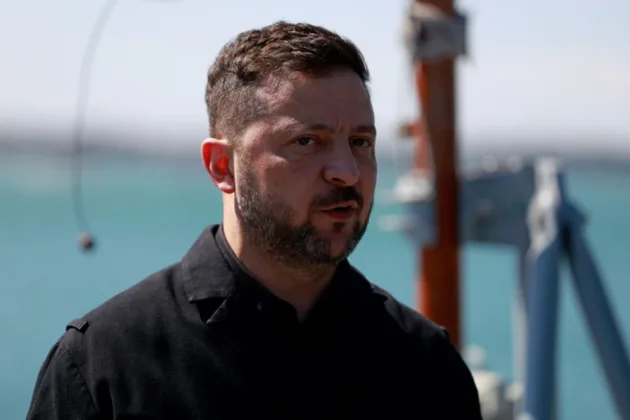
Ukrainian President Volodymyr Zelensky stated in February 2026 that 55,000 Ukrainian soldiers had been killed since the Russian invasion began. He noted a large additional number of missing personnel.
Independent and western assessments consider Zelensky’s figure an underestimate.
The US think-tank CSIS estimated 100,000–140,000 Ukrainian military fatalities from February 2022 to December 2025, within total Ukrainian military casualties (killed, wounded, missing) of 500,000 to 600,000.
Other analyses, including open-source projects including UALosses, have named about 91,000 Ukrainian fighters killed by early April 2026, with tens of thousands more missing.