






The Scottish parliament has voted in favour of a motion calling on the UK Government in London to approve a fresh referendum on independence.
Lawmakers in the devolved legislature in Edinburgh backed the proposal by 72 votes to 55 on Tuesday. The body holds powers over policy areas including health, education, justice, transport and the environment.
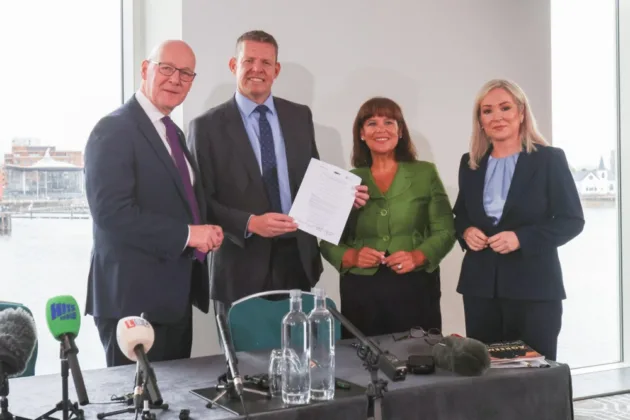
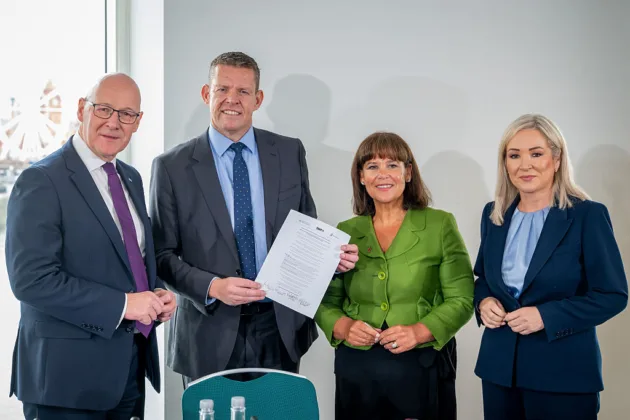
The motion was introduced by First Minister John Swinney, who leads the pro-independence Scottish National Party (SNP).
“With the mandate of parliament, I will now take that forward to dialogue with the UK government to make sure that parliament’s wishes, which, of course, are the wishes of the people, are properly put into effect,” he said.
Swinney said he had talks scheduled with UK Prime Minister Keir Starmer in the coming weeks.
Scotland held its first independence referendum in 2014, when 55 per cent of voters chose to remain part of the United Kingdom, which also includes England, Wales and Northern Ireland.
The UK Government, which retains countrywide powers over areas such as defence and foreign policy across all four nations, considered the matter closed for a generation.
Brexit, the country’s departure from the European Union negotiated under the Conservative Party, reopened the debate though.
Nationalist leaders argued that Scotland had voted by a majority to remain part of the EU in the 2016 Brexit referendum, and that the SNP majority in Edinburgh amounted to a mandate to pursue separation.
In 2022, the UK Supreme Court ruled that any new independence referendum could only take place with the consent of the UK Government.
Following Tuesday’s vote, Starmer’s Downing Street office said in a statement: “The UK Government does not support independence or another referendum.”
It added: “Ahead of 2014, there was agreement across all parties, across civic society in Scotland and across the Scottish and UK parliaments that there should be a referendum. There is no such consensus now.”
The SNP remained the largest party at this month’s elections to the 129-member Scottish parliament, winning 58 seats. The party fell short of the 65 needed for an outright majority though.
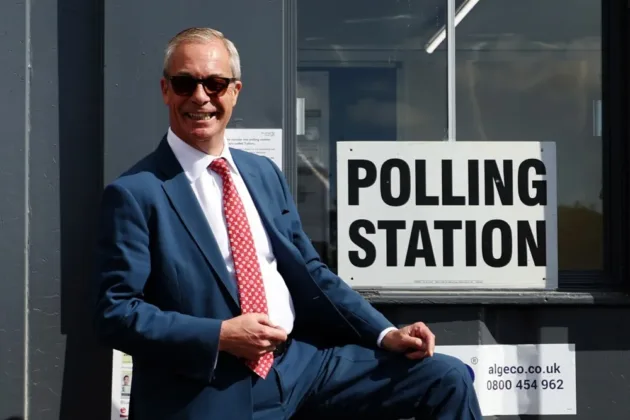
After Tuesday’s vote, Swinney said Scotland needed to gain independence before the next UK general election, expected in 2029, citing the threat that Nigel Farage’s anti-immigration, anti-EU Reform UK party could win power.
The SNP leader has long argued that Brexit fundamentally altered the constitutional settlement endorsed by Scottish voters in 2014, given the strength of Remain support north of the border. EU-UK relations have remained a defining political fault line in Scotland since the bloc and London concluded their post-Brexit trade and cooperation deal.