The UK is to decide who can go online as British Prime Minister, Keir Starmer, declares a “full ban” on social media access for under-16s, marking one of the most significant state interventions into online life ever proposed in Britain.
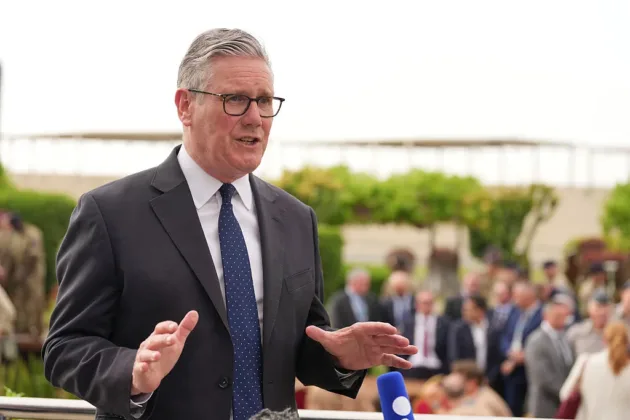
Speaking at a press conference today, Starmer said the measure was necessary to protect children from what he described as the harmful effects of social media, including bullying, addiction, mental health problems, and exposure to dangerous content.
The Prime Minister framed the move as a moral duty, insisting that social media was “making children unhappy” and exposing them to harmful influences.
He argued that platforms are deliberately designed to be addictive through features such as infinite scrolling and claimed that children are being deprived of real-world activities, friendships, and healthy development.
The government plans to bring forward regulations before Christmas, with the ban expected to come into force in the spring of next year.
According to the Prime Minister, certain platforms aimed at children, educational services, and products such as YouTube Kids will remain outside the scope of the ban.
Mainstream social media services, however, will face legal obligations to prevent under-16s from accessing their platforms.
While the British government did not publish a full list of affected platforms, the Prime Minister indicated the ban would apply to mainstream social media services modelled on Australia’s approach, likely including platforms such as Instagram, TikTok, Snapchat, Facebook and X.
Other messaging app that are also use for public social networking such as Reddit and Discord were not mentioned.
Starmer appears to view the ban as an attempt to reshape social norms.
He repeatedly spoke of creating a “cultural change” in how children grow up, arguing that the policy would alter expectations among parents and young people over time.
The Free Speech Union, a conservative free speech advocacy group, accused Labour of operating a double standard when it comes to regulating speech on social media.
“Why is Sir Keir Starmer’s Government set to ban under-16s from accessing 10 major social media platforms — including X — but not left-wing platforms like Bluesky?,” they said.
“Since coming to power, this Government has been openly hostile to X, a forum for debate that prides itself on free speech. Ministers have even floated the idea of blocking UK citizens’ access to the platform altogether”, they added.
The announcement also prompted concerns about the implications for free speech and future government powers over online activity.
Asked directly by GB News whether the move represented “the thin end of the wedge” and whether future governments could use similar powers to restrict access to online platforms for political reasons, the Prime Minister rejected the comparison.
He argued that the proposal was about child protection.
“I am a great advocate of free speech. I really am. But sending sexually explicit pictures to and from children, that’s not free speech. That’s basic protection,” he said.
A few months ago the Council of Europe criticised ban on social media for teens.