

Italian Prime Minister Giorgia Meloni has warned that banning children from social media will not on its own keep them safe online, distancing Rome from the path taken by the United Kingdom and a growing number of European governments.
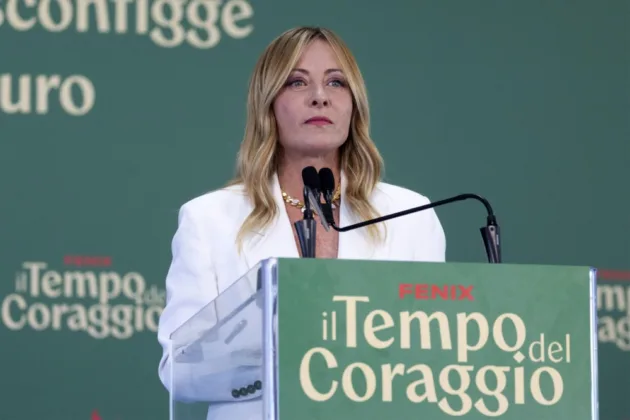
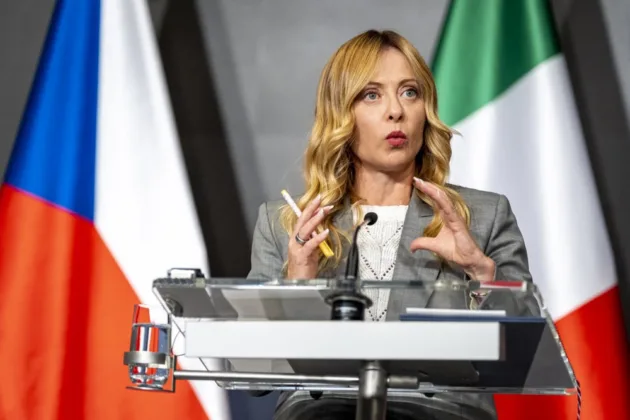
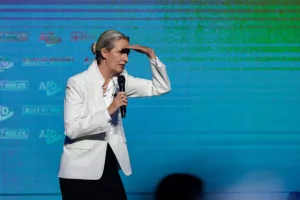
Speaking at a press conference on the final day of the G7 summit in Évian-les-Bains, eastern France, on June 17, Meloni said she was not opposed to barring under-16s from the platforms. She argued though that such a measure would not resolve the problem on its own.
A blanket ban could be circumvented easily and risked shifting the burden on to families, she said. The Prime Minister said the platforms had to be part of any answer because they bore responsibility for what happened on their services.
Meloni said the Italian Government had deliberately chosen not to legislate on the matter at cabinet level. That decision had been taken out of respect for cross-party work already under way in parliament, she said.
Her comments came two days after British Prime Minister Keir Starmer announced that the United Kingdom would bar under-16s from a range of services including TikTok, YouTube, Snapchat and Instagram. Starmer said social media was making children unhappy and that he would not compromise on their safety.
Several European countries have moved towards tighter rules, with France, Spain and Germany among those preparing or weighing measures. Australia has enforced a ban on under-16s since December 2025, though its regulator has reported widespread non-compliance by the platforms and has pursued legal action against some of them.
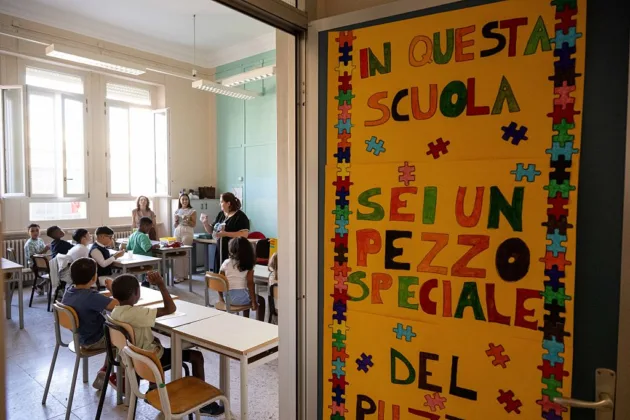
In Italy a bill that would prohibit social media for under-15s has been stalled in a Senate committee since October 2025. Italian education minister Giuseppe Valditara has urged its swift approval, saying the ban could no longer be put off.
The issue has risen to the top of the European agenda, with online safety for minors among the themes of the French-hosted summit. On June 17 the G7 leaders issued a joint call for a safer digital space for children, underlining the pressure on governments to act.
Meloni, who leads a right-wing coalition in Rome, said the better route was not a government decree but letting the parliamentary process run its course. Drawing the platforms in directly was what would make any restriction work, she said.