





The European Parliament has approved a reform of European Union agricultural marketing rules that strengthens farmers’ negotiating power against retailers and reserves names such as “steak” and “liver” for products of animal origin.
MEPs backed the measures by 560 votes to 75, with 25 abstentions, in a plenary session on June 16. The reform amends the bloc’s Common Market Organisation (CMO) regulation and related Common Agricultural Policy (CAP) provisions.
The legislation defines meat as the edible parts of animals and bars terms such as “sirloin”, “chop”, “rib” and “liver” from being used for plant-based, laboratory-grown or cell-based products. About 30 traditional meat words are affected.
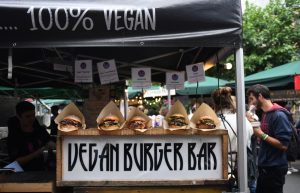
Widely used descriptions such as “veggie burger” would still be permitted, in a compromise that ended months of uncertainty over whether those terms would also be restricted.
Parliament said the aim was to improve transparency in the internal market and give consumers clearer information about the nature and origin of what they buy.
Rapporteur Céline Imart, of the centre-right European People’s Party, said that by reserving such terms for livestock producers, Parliament had “taken a decisive step forward”.
The measures stem from a European Commission proposal tabled in December 2024. Beyond labelling, the reform makes written contracts the general rule between farmers and buyers.
Member states would also have to publish reference indicators that can be used in agricultural contracts to reflect changing costs and support fairer payment for producers.
The reform expands the ability of producer organisations to bargain collectively and introduces safeguards to stop buyers from bypassing them by dealing with individual farmers.
It also sets out new rules on terms such as “fair” and “equitable”, which would have to meet concrete criteria linked to support for rural communities or farmer organisations.
Specific measures for the dairy sector include compulsory written contracts, intended to steady producers’ incomes in volatile markets.
Plant-based food producers have argued that the naming restrictions are unnecessary and could disrupt the single market, pointing to surveys suggesting consumers are rarely confused by such labels.
The reform must still receive formal approval from the Council of the European Union, which represents the governments of member states, before it can enter into force. Producers would then have three years to comply.