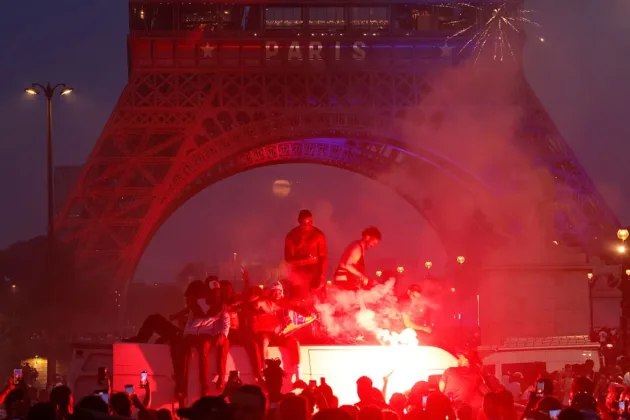




The French government has announced plans for a new “vandals pay” law following the widespread violence and destruction that erupted after Paris Saint-Germain’s Champions League triumph last month.
Prime Minister Sébastien Lecornu confirmed that legislation will be brought before the French cabinet in July, aimed at forcing participants in violent riots and public disorder to bear the financial cost of the damage they collectively inflict.
On May 29, PSG’s European victory spiralled into scenes more reminiscent of civil unrest than sporting jubilation.
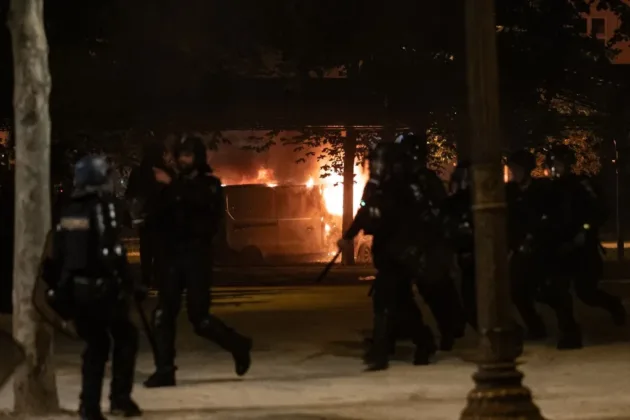
Across France, almost 900 people were arrested as rioters clashed with police, set vehicles on fire, vandalised businesses, and attempted to block major roads.
Cars were burned near some of the capital’s most recognisable landmarks, while police deployed tear gas against crowds throwing fireworks and projectiles.
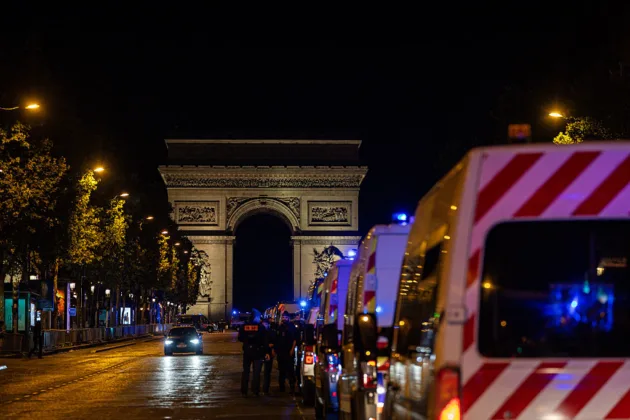
Businesses along the Champs-Élysées had boarded up their premises in anticipation of trouble before the match had even begun.
Despite the scale of the unrest, Interior Minister Laurent Nuñez insisted that the celebrations had been “largely peaceful” and defended the deployment of 22,000 security personnel in Paris.
Following the chaos, National Rally leader Marine Le Pen argued that the disturbances exposed a deeper failure of state authority.
“Only in France does a football club’s victory spark riots,” she remarked, reflecting a sentiment increasingly shared by voters frustrated by recurring scenes of lawlessness.
The latest disorder closely follows similar violence in 2025 after PSG’s previous European success, which left two people dead and hundreds injured. Critics argue that repeated outbreaks of mass disorder have become normalised by political leaders and sections of the media who appear reluctant to acknowledge the scale of the problem.
Under the proposed legislation, individuals participating in a violent gathering could be held financially liable for the destruction caused by the crowd, even if they were not personally caught damaging property.
The government argues that the current system allows individuals to hide behind the anonymity of the mob, while ordinary taxpayers and insurance holders are ultimately left paying for the damage.
“Today, in a violent crowd, everyone benefits from the group’s anonymity,” Lecornu said. “The damage is collective, but the repairs are rarely paid for by those who took part.”
The proposed law would establish a simple principle: Participation in collective violence carries collective responsibility.
Supporters say the measure would restore a basic sense of accountability and end a situation where citizens are forced to subsidise the destruction of their own communities through higher taxes and insurance costs.
“The taxpayers should not have to pay for those who destroy,” Lecornu said.
The move also reflects growing political pressure on the French government ahead of the 2027 presidential election, where law and order is expected to be one of the defining issues.