











French ministers have defended their handling of the celebrations that followed Paris Saint-Germain’s (PSG) Champions League final victory over Arsenal, even after the night left one man dead and led to some 890 arrests across the country.
French interior minister Laurent Nuñez said the bulk of the festivities had passed off peacefully and that a robust security operation, involving 22,000 officers in the capital, had done its job.
That assessment sat awkwardly with the scenes on the streets. A man in his twenties died in a road accident on the Paris ring road, which rioters had tried to block during the night, according to police.
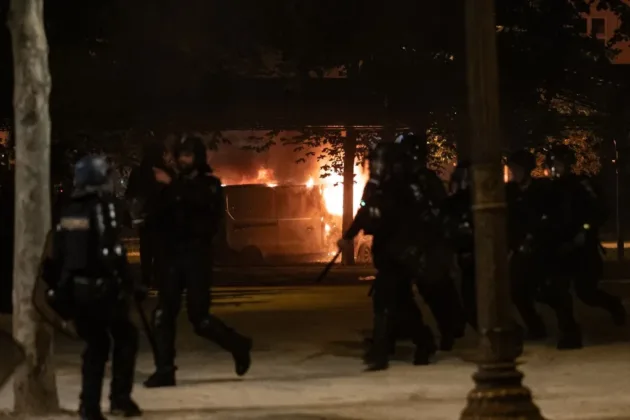
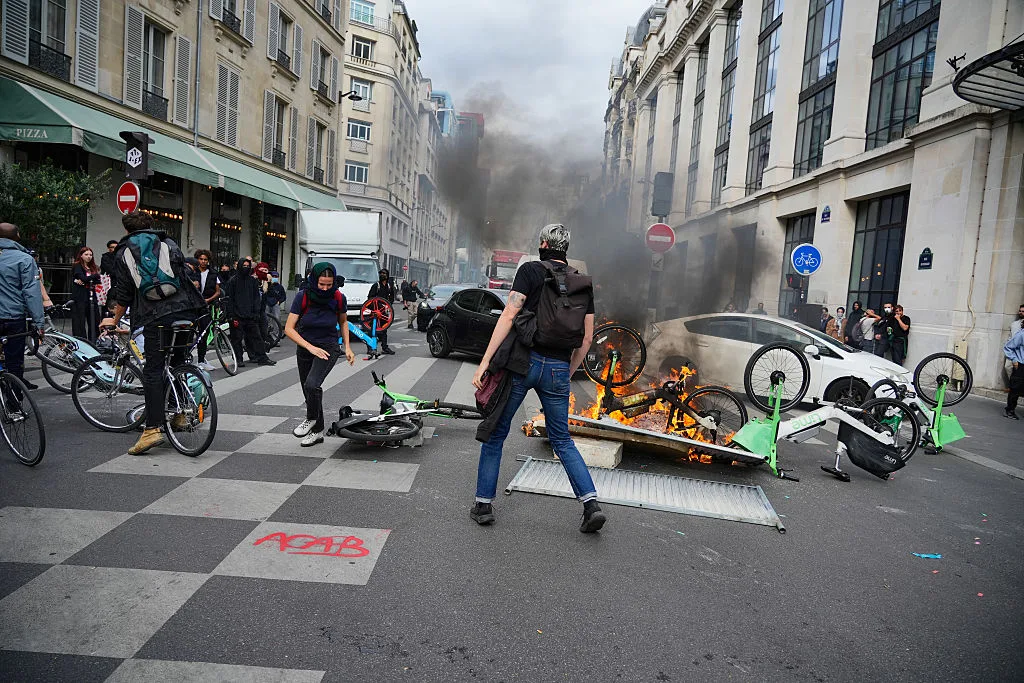
Cars were set alight, including one opposite the Eiffel Tower, while officers fired tear gas at groups who threw fireworks and other objects. Shops along the Champs-Élysées had been boarded up before kick-off.
The disorder closely mirrored that of 2025, when PSG’s first European Cup triumph ended with two deaths and close to 200 people injured. Few of those raising concerns could see what had changed in a year.
For the right-wing National Rally (RN), the trouble was further evidence that the State has lost control of its own streets. “Only in France does a football club’s victory spark riots,” party leader Marine Le Pen wrote on X.
She added that the French were weary of chaos that erupted, in her words, at the slightest pretext and in spite of a vast security presence.
Government supporters argued that title celebrations had turned violent elsewhere in Europe too, pointing to recent parties in Naples and Liverpool. Critics rejected the comparison, noting that neither city had seen cars burned or businesses attacked on anything like the same scale.
They also questioned why French commentators were so quick to insist the violence was nothing unusual. To play down two years of deaths and hundreds of arrests, the argument ran, was to treat repeated disorder as an acceptable price for a football trophy.
The row has fed a broader debate about law and order before the 2027 presidential election. Polls suggest the RN could be in serious contention, and its figures have seized on the unrest to press their case that successive governments have failed to keep ordinary people safe.
For now, the official line held that Paris had thrown a largely happy party. For its detractors, a dead man on the ring road told a different story.