


Greece’s Migration Minister Thanos Plevris has described criticism from human rights groups and international organisations as a “badge of honor” as the conservative government pushes ahead with some of Europe’s strictest migration measures.
Speaking to private broadcaster Action 24 on Monday and reported by AP, Plevris said Greece’s policies are already “the toughest — if not the toughest — in Europe” and vowed to strengthen them further amid a recent rise in arrivals from eastern Libya.
“Every time UN envoys express concern over my legislation, it makes me proud of that legislation,” he declared.
“The more Amnesty International, the UN High Commissioner for Refugees or UN envoys are irritated by our migration policy, the more I view it as a badge of honour.”
He added: “Let me tell you something: The days when bureaucrats from Brussels or the United Nations could just show up and dictate how Greece handles the migration crisis are over.”
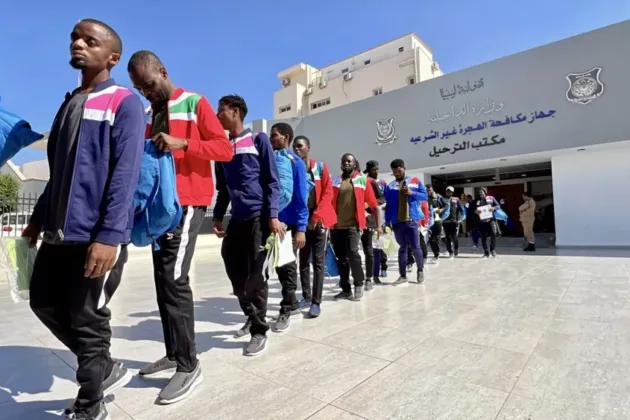
The remarks come as Greece cooperates more closely with authorities in eastern Libya, including coastguard training and support for employment programmes, in an effort to curb departures across the Mediterranean.
Arrivals on Crete have risen sharply, with over 5,500 intercepted or recorded through May, a 20 per cent increase on the previous year.
Greece is also backing EU-wide proposals for offshore processing centres in African countries for rejected asylum seekers, a move that has drawn strong criticism from rights organisations.
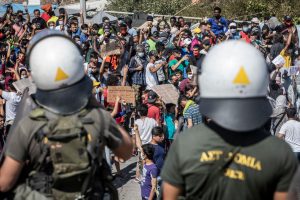
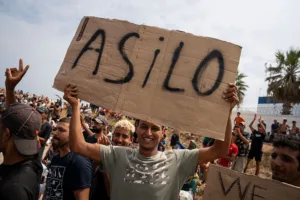
Human rights groups have accused Athens of adopting overly harsh policies, including pushbacks and expedited returns.
The government of Prime Minister Kyriakos Mitsotakis has significantly tightened its approach to irregular migration since taking power, prioritising border security and returns while facing continued pressure on the eastern Mediterranean route.
Plevris’s unapologetic tone reflects a broader shift across parts of Europe, where several governments are openly rejecting earlier open-door policies in favour of stricter controls, often citing public security concerns and integration challenges.