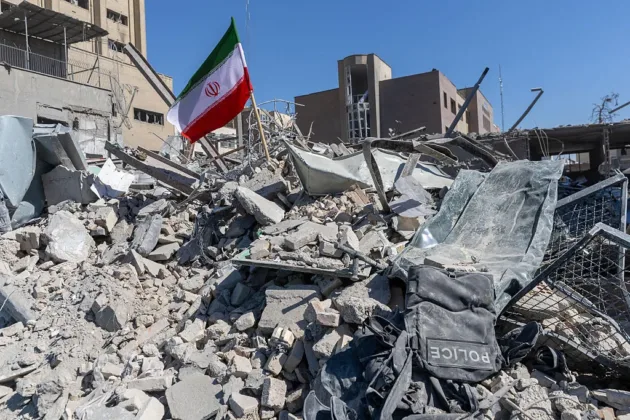


Iran has declared that its war with the United States and Israel is over, a move that could ease a more than three-month energy crisis that has driven up oil and gas prices across Europe.
Iranian foreign minister Abbas Araghchi said the conflict had ended on all fronts, according to state broadcaster IRIB, pointing to a memorandum of understanding agreed with Washington. His deputy, Kazem Gharibabadi, said: “A permanent and immediate end to the war has been declared on all fronts.”
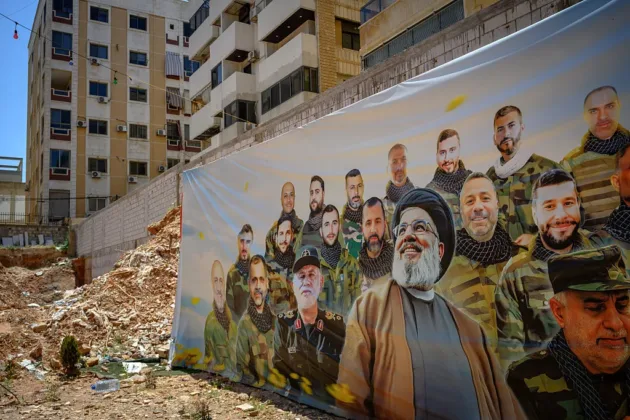
Araghchi insisted that ending the fighting in Lebanon, where Israel has been battling the Iran-backed Hezbollah militia, was inseparable from the deal. He said any further Israeli attack or continued occupation of Lebanese territory would amount to a “violation of the MOU”.
Israel is not a party to the agreement, though, and Israeli Prime Minister Benjamin Netanyahu has said his forces would not withdraw from areas seized in Lebanon, Syria and the Gaza Strip.
The memorandum is due to be signed on June 19 in Geneva, Switzerland, by US Vice-President JD Vance and Iran’s parliament speaker, Mohammad Baqer Qalibaf. A senior Iranian source cited by Reuters said it would waive sanctions on Iranian oil, unfreeze billions of dollars in frozen assets and require a halt to hostilities.
The Strait of Hormuz, through which about a fifth of the world’s oil passes, has been largely closed for more than 100 days, pushing Brent crude above $100 (€92) a barrel at times and raising gas prices across the bloc.
Brent fell nearly 4 per cent to around $84 (€77) a barrel after the announcement, with the waterway due to reopen once the deal is signed.
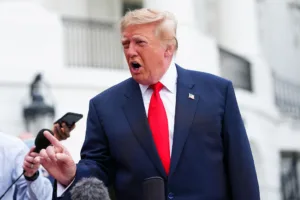
Araghchi described the first phase of negotiations as complete after three months of talks, with discussions on Iran’s nuclear programme and sanctions relief to follow. US President Donald Trump has said Washington could strike Iran again if those talks failed.
The war began on February 28, when US and Israeli strikes killed Iran’s supreme leader and triggered a conflict that spread across the region, drawing in Hezbollah and shutting one of the world’s most important oil routes.
Both sides have stood down militarily, though the text of the memorandum had not been made public as of June 15.