

The United States and Iran have reached an agreement to end their war and reopen the Strait of Hormuz, a vital route for global oil supplies.
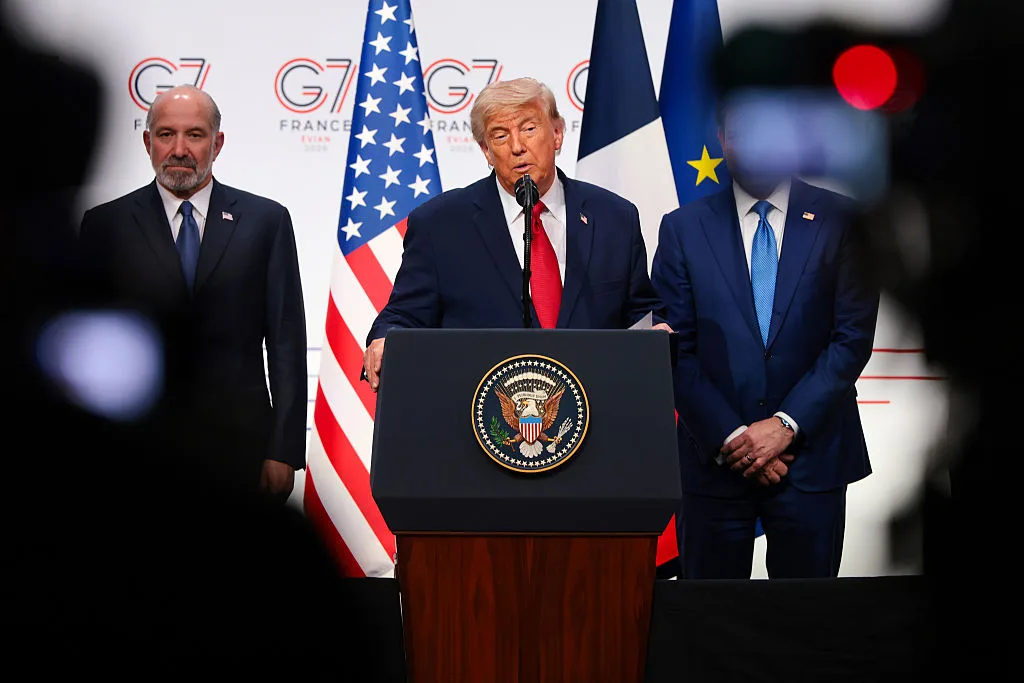
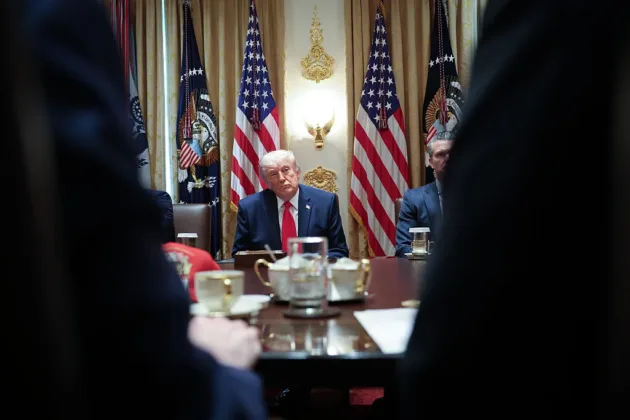
US President Donald Trump announced on June 14 that the deal was complete and that he had authorised the immediate lifting of the US naval blockade of Iran’s ports. “The Deal with the Islamic Republic of Iran is now complete,” Trump wrote on his Truth Social platform.
Pakistani Prime Minister Shehbaz Sharif, whose country brokered the agreement alongside Qatar, Saudi Arabia and Turkey, had announced it minutes earlier. He said both sides had declared an immediate and permanent end to military operations on all fronts, including Lebanon.
Iran confirmed the deal. Iranian Deputy Foreign Minister Kazem Gharibabadi said the text had been finalised and would be signed in Switzerland on June 19, with the strait reopening after the ceremony.
Gharibabadi said the agreement “does not signify trust in the enemy”, according to Iranian state media. He said Tehran would verify that Washington met its initial commitments before the signing.
The deal is structured as a memorandum of understanding, to be followed by 60 days of talks on Iran’s nuclear programme, the lifting of sanctions and the country’s reconstruction.
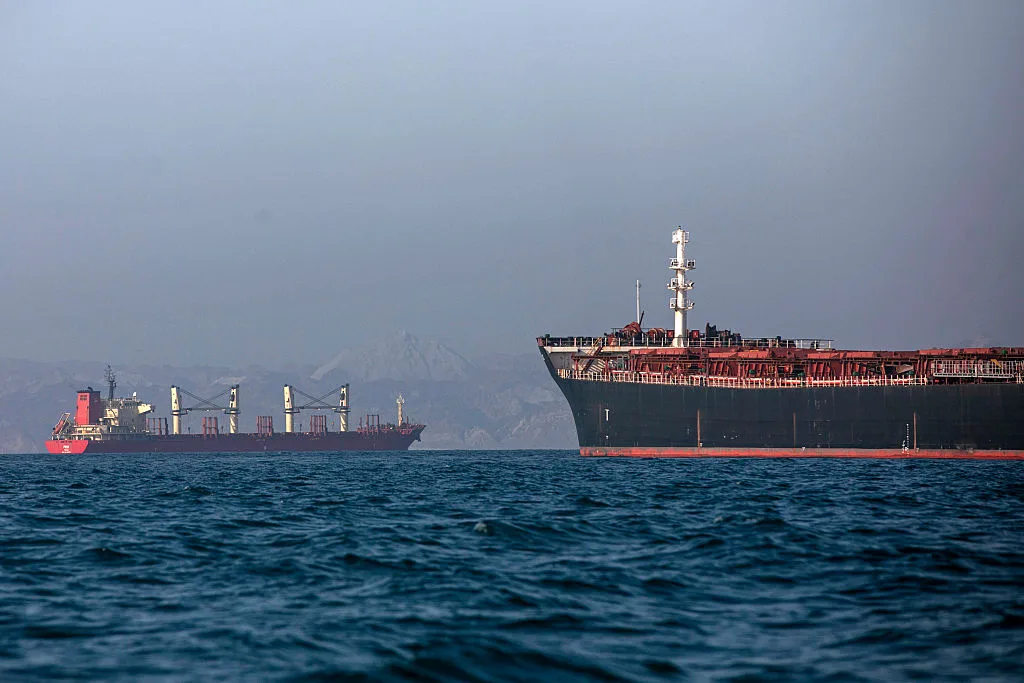
Iran took effective control of the Strait of Hormuz early in the war, largely halting traffic through a waterway that normally carries some 20 million barrels of oil a day. Washington responded by imposing a naval blockade of Iranian ports in April.
The agreement does not appear to bind Israel, which has been fighting alongside the United States against Iran and had not signed it. Israeli media reported that Prime Minister Benjamin Netanyahu had told Trump his country did not consider itself committed to the deal’s clause on Lebanon.
Trump criticised Netanyahu and said recent Israeli air strikes on Beirut, the Lebanese capital, should not have happened.
The war began on February 28, when the United States and Israel launched attacks on Iran. The conflict has disrupted global energy supplies and weighed on oil markets for much of this year.
The reopening of the Strait of Hormuz would be discussed by leaders of the Group of Seven (G7) leading economies at a summit in Évian, France, on June 15.