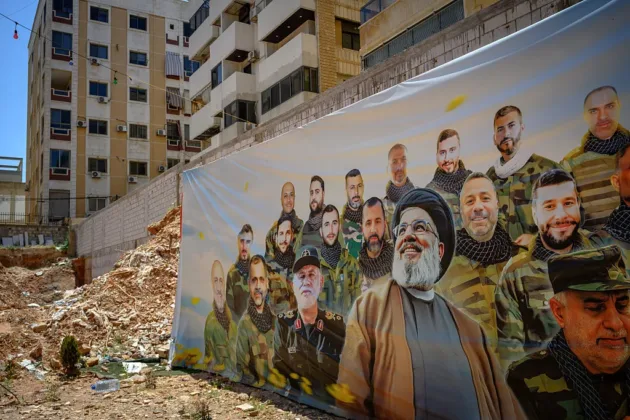









Lebanon has said the Shia party-militia Hezbollah has accepted a United States proposal for a mutual ceasefire, hours after US President Donald Trump said Israel would not bomb the Lebanese capital, Beirut.
Under the proposal, Israel would stop attacks on the southern outskirts of Beirut while Hezbollah refrained from striking Israeli territory, according to a statement from the Lebanese embassy in Washington. The ceasefire was expected to widen to cover the whole of Lebanon.
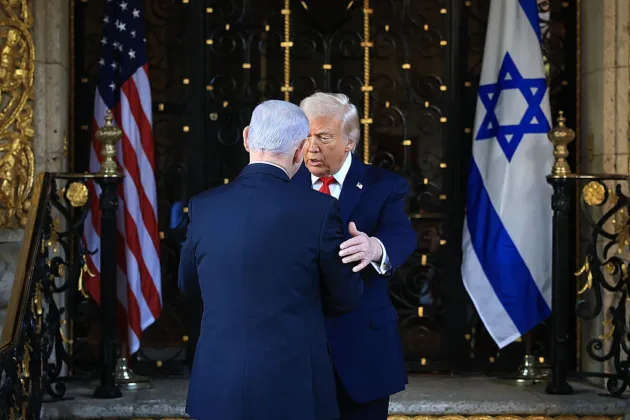
Trump said on social media that he had held a “very productive” call with Israeli Prime Minister Benjamin Netanyahu, and that troops bound for Beirut were “already on their way back”.
The US President added that he had also spoken with Hezbollah, which he said had agreed to stop firing. He said neither side would attack the other.
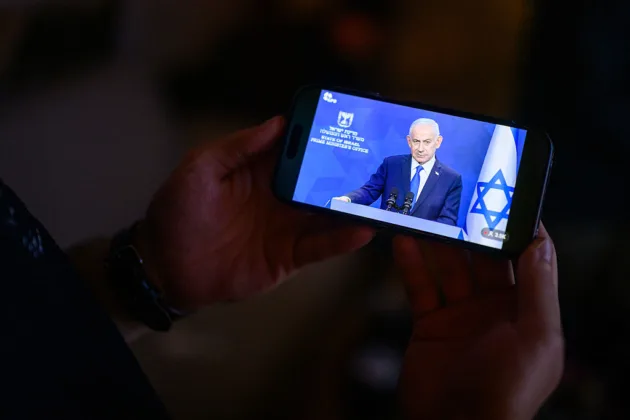
Netanyahu gave a different account. He said he had told Trump that Israel would strike “terrorist targets” in Beirut if Hezbollah did not stop firing on Israeli cities, and that this position stood.
The Israeli military was still operating as planned in southern Lebanon, the Prime Minister said.
Earlier, Netanyahu had ordered strikes on Hezbollah in Beirut in retaliation for the group’s attacks, including one that killed an Israeli soldier near the Beaufort crusader castle, which Israeli troops took on May 31. The army then issued evacuation orders for Dahiyeh, the southern Beirut suburbs regarded as a Hezbollah stronghold.
Israel’s defence minister, Israel Katz, said Trump had “adopted our premise” that firing on Israeli communities meant bombing in Beirut.
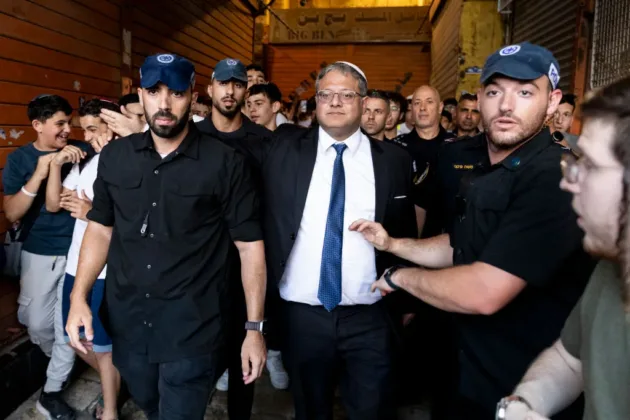
Not everyone in the government agreed. National security minister Itamar Ben Gvir, who leads the right-wing Jewish Power party, urged Netanyahu to tell Trump “no”.
Opposition figures criticised what they saw as submission to Washington. Yair Lapid, leader of the Yesh Atid party, called Israel a “client state”, although former prime minister Naftali Bennett went further, saying there was “no prime minister”.
The latest large-scale fighting broke out on March 2, when Hezbollah fired projectiles at Israel in response to the killing of Iran’s supreme leader, Ayatollah Ali Khamenei, during an offensive launched on February 28 by Israel and the United States against Iran.
The two sides had agreed a ceasefire in November 2024 after 13 months of fighting that followed the October 7, 2023 attacks. Israel kept up frequent bombing of Lebanon afterwards and held positions in several areas, saying it was acting against Hezbollah.
Lebanese President Joseph Aoun discussed the proposal with US Secretary of State Marco Rubio. Hezbollah said it had been told of the talks by Aoun and by Lebanese parliament speaker Nabih Berri, of the Shia Amal movement.
The group’s MP Hassan Fadlallah said Hezbollah wanted a “comprehensive ceasefire” and no return to the situation before March 2, speaking to the Al Manar channel. Delegations from Lebanon and Israel were due to resume talks on June 2.