







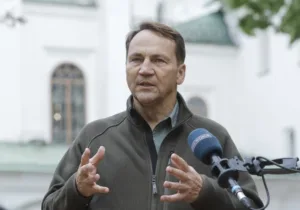

Manfred Weber, chairman of the European People’s Party (EPP) and a senior CSU politician, has called on Spain’s government to make a U-turn in its migration policy, speaking to the German newspaper Bild.
In remarks published on August 4, Weber said: “Spain must change its course.”
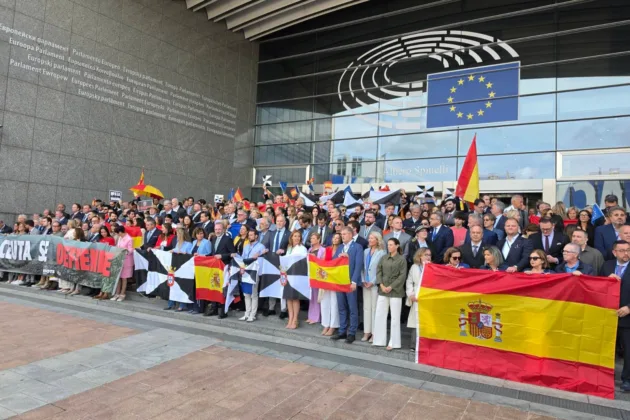
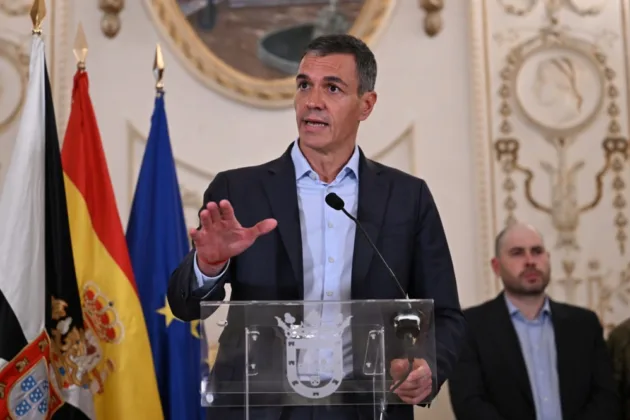
He argued that the broad support for protests against Prime Minister Pedro Sánchez and his unilateral approach showed that “the left-wing Sánchez government is isolated.”
Weber accused Sánchez of electoral calculation and linked uncontrolled migration to higher numbers of deaths, stating: “Ceuta also shows us that uncontrolled immigration also increases the number of fatalities. No one had to die here.”
The comments come amid heightened pressure on Madrid following a surge of irregular crossings into the Spanish enclave of Ceuta from Morocco in late July, when tens of thousands of people entered within days.
Weber made his remarks as EU interior ministers are due to hold a video conference to discuss better protection of the Union’s external borders.
A majority of EU heads of state and government had previously criticised Spanish migration policy, while Spain’s government accused other member states of exploiting the crisis for political purposes.
Weber has previously described Spain’s large-scale regularisation of undocumented migrants, which attracted more than 1.3 million applications, as “not a normal procedure” and an issue for the rest of Europe given free movement within the Schengen area.
The Spanish government maintains that orderly legal pathways and integration are necessary for economic reasons and that residence permits issued under the scheme do not automatically confer rights elsewhere in the EU.
Spain’s extraordinary migrant regularisation could ultimately result in around three million additional legal residents through family reunification, according to estimates by Spain’s National Police, far exceeding the government’s original projections of around 500,000 applicants.
Many in Europe see the Spanish policies as a major pull factor for migration to the country and eventually to the rest of Europe.
EU Migration Commissioner Magnus Brunner told the German Press Agency that the events of the past week had been an endurance test for the security of Europe’s external borders, which Europe had passed for the time being. No one had entered the Schengen area.
“Now it is important that the EU acts united and draws the right conclusions from these events,” said the Austrian politician.
Spanish soldiers have continued to sweep the hillsides and beaches of Ceuta for migrants who crossed from Morocco on July 30, days after the Interior Ministry said the emergency had been brought under control. https://t.co/qhoc59nGfU
— Brussels Signal (@brusselssignal) August 3, 2026