











A budget report approved by the US House of Representatives has described Ceuta and Melilla as Spanish-administered cities located in Moroccan territory, the first time a chamber of Congress has questioned Madrid’s sovereignty over the two enclaves in writing.
The text accompanies the National Security, Department of State and Related Programs Appropriations Act for 2027, a $47.3 billion (€41.1 billion) package the House passed on July 15 by 217 votes to 209.
The committee said the cities were “located in Moroccan territory and remain the subject of Morocco’s longstanding claim”. It also backed efforts by the Secretary of State to encourage diplomatic engagement between Rabat and Madrid on their future status.
The same passage invoked the Treaty of Peace and Friendship of 1786, the oldest unbroken agreement in American diplomacy, and set aside at least $40 million (€34.8 million) for Morocco in security investment and foreign military financing.
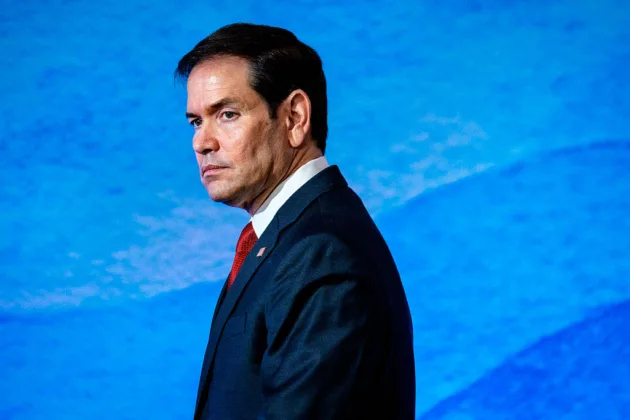
The paragraph was written by Mario Díaz-Balart, a Florida Republican who chairs the appropriations subcommittee that funds US diplomacy and is vice-chairman of the full committee. He belongs to the Congressional Morocco Caucus and is one of Secretary of State Marco Rubio’s closest allies.
Díaz-Balart had told El Español on April 1 that the cities were “not in the geographic territory of Spain”, adding that such questions were settled between friends and allies.
Committee reports carry no force of law and do not alter official US policy, which still treats both cities as Spanish. The same document criticised Spain over NATO spending and over Madrid’s refusal to let American operations against Iran use Spanish bases and airspace.
Thomas Massie, the only Republican to vote against the bill, accused colleagues of hypocrisy after they condemned the Ceuta crossings. He said the House had cleared the way for Spanish territory to pass to Morocco.
The wording followed a campaign outside Congress. Michael Rubin, of the American Enterprise Institute, urged Donald Trump and Rubio in March to recognise the enclaves as occupied Moroccan territory and suggested Rabat mount a fresh Green March on them.
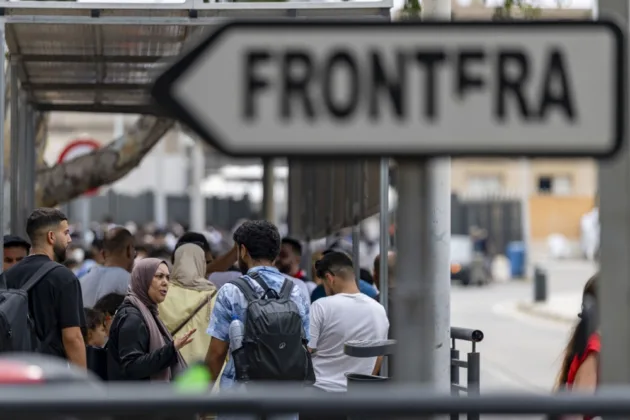
Tens of thousands of people entered Ceuta from July 30, an influx Prime Minister Pedro Sánchez called an attack on Spain’s territorial integrity. European Commission President Ursula von der Leyen demanded an immediate halt to the crossings and swift returns to Morocco.
That same day, the anniversary of Mohammed VI’s enthronement, Trump congratulated the King and promised another 250 years of partnership, El Debate reported.
Ceuta and Melilla form the European Union’s only land border with Africa. The bill is now before the Senate.