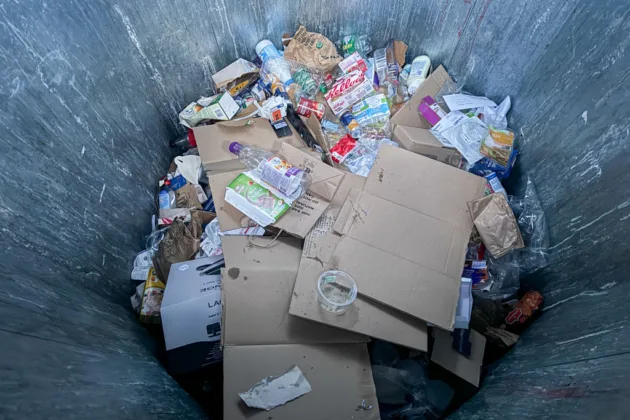











High concentrations of microplastics and other plastic contamination have been detected in waterways close to a major recycling zone in Adana, southern Turkey, that receives plastic waste exported by British companies.
Research by Turkish marine biologist Sedat Gündoğdu, published in Environmental Monitoring and Assessment and shared with The Guardian, found microplastic levels in a canal downstream of the Kemal Deniz recycling zone up to ten times higher than upstream sites.
Other canals in the Adana area linked to recycling facilities showed increases of up to 132 times.
Pellets, films and fragments characteristic of recycling waste were identified exclusively downstream.
The canals feed into irrigation networks used by farmers and ultimately flow into the Seyhan River and the Mediterranean.
Between May 2021 and July 2024, 13 British firms sent 545 shipments totalling 52,000 tonnes of household and supermarket plastic waste to Kemal Deniz, according to data analysed by the Environmental Investigation Agency.
The UK exported almost 140,000 tonnes of plastic waste to Turkey in 2025, part of a broader total of 675,000 tonnes shipped abroad that year.
Local farmers report plastic debris in waterways, toxic smoke from fires at waste piles, and contamination of greenhouse surfaces.
There is no suggestion that the British exporters acted illegally, though they are required to ensure waste is managed in an environmentally sound manner.
Some firms have said they work only with accredited partners or have ceased shipments to Turkey. Thirteen British companies shipped waste to the region.
Environmental groups describe the trade as a form of “waste colonialism” that overwhelms local infrastructure.
The UK government states that strict controls already apply and that further steps are being taken to reduce the need for exports. The Turkish government did not respond to the British newspaper to requests for comment.
Critics of the global plastics trade argue that purported “greening” of industry in Europe and the UK frequently amounts to relocating the most polluting stages of production and waste processing to countries with weaker environmental enforcement, thereby shifting rather than reducing overall contamination and often generating higher levels of local pollution where oversight is limited.