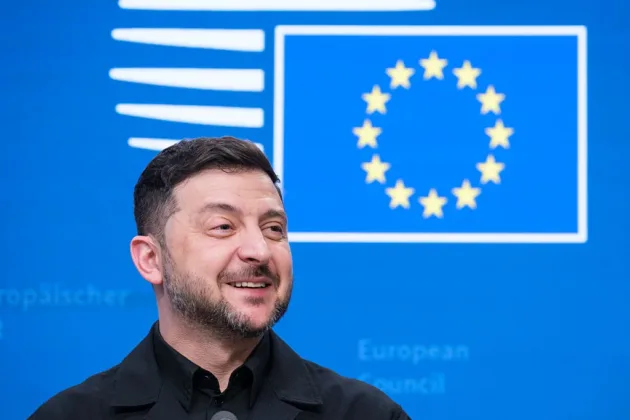







The European Union has formally opened the first cluster of accession negotiations with Ukraine and Moldova, the most significant step in either country’s membership bid since talks were launched in 2024.
All 27 member states gave their unanimous backing to opening the so-called fundamentals cluster at an intergovernmental conference in Luxembourg on June 15.
The cluster covers the rule of law, fundamental rights, the functioning of democratic institutions and public administration reform, alongside economic criteria. It is the first group of chapters to open in any accession process and, because it concerns core reforms, usually the last to close.
The negotiations are without precedent for the bloc, with the EU moving to admit a country fighting a full-scale war alongside a neighbour pressed against the conflict’s edge. Moldova borders Ukraine and has faced sustained Russian pressure throughout, from energy blackmail to repeated airspace violations.
The move was made possible after Hungary dropped the veto that its previous prime minister, Viktor Orbán, had maintained for two years.
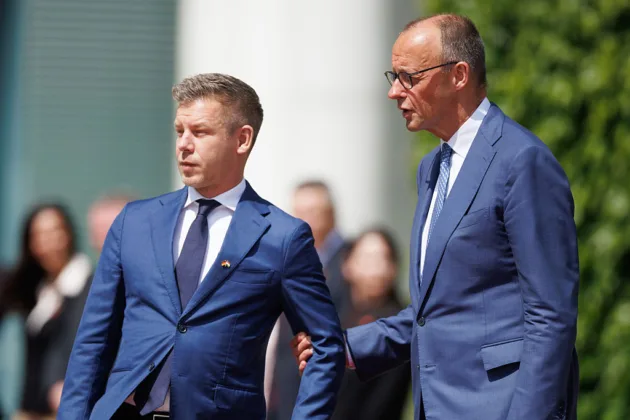
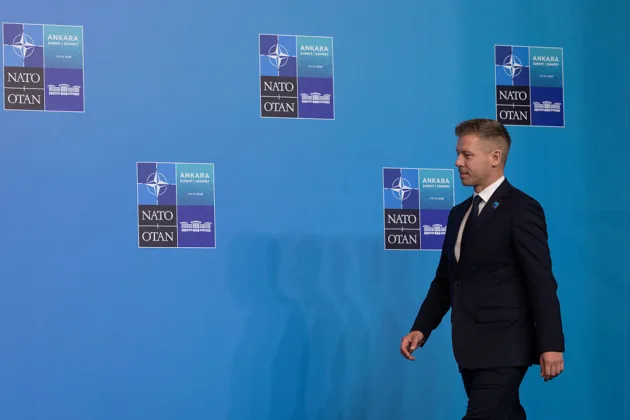
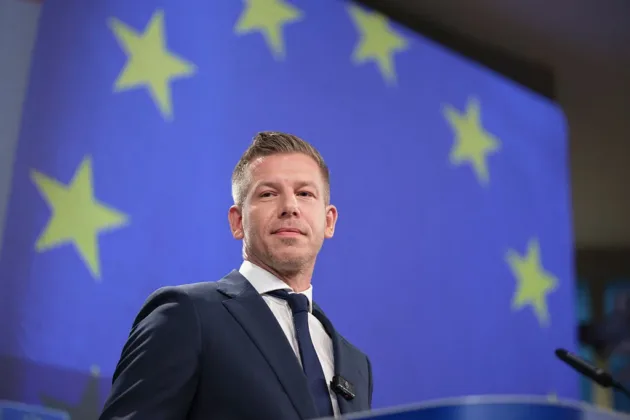
Orbán, in power for 16 years, was ousted in April by the centre-right Tisza party of Péter Magyar, who took office as Prime Minister on May 9.
Magyar lifted the block after Budapest reached a deal with Kyiv on the educational, linguistic, cultural and political rights of the roughly 100,000 ethnic Hungarians in Ukraine’s western Zakarpattia region.
The new Hungarian Government has nonetheless resisted any acceleration of the process. Magyar said he would call a legally binding referendum should Ukraine close all 33 negotiating chapters within the next 10 to 15 years.
European Commissioner for Enlargement Marta Kos said she expected the five remaining clusters to open before the summer. “I expect that we will open all the rest of the five clusters then in July,” she told reporters in Luxembourg.
EU foreign policy chief Kaja Kallas called the opening a major milestone. “Both countries have delivered on difficult reforms under extraordinary circumstances. Their membership will make Europe stronger,” she wrote on social media.
Ukrainian deputy prime minister Taras Kachka attended the conference and framed the day as the realisation of a long-held national goal. “Aggression against Ukraine and threats against Europe is a permanent policy of Russia, so that’s why we need to be united,” he told journalists.
Cyprus, which holds the rotating presidency of the Council of the European Union, described the opening as a historic milestone for its time in the chair.
Both countries applied to join the bloc shortly after Russia’s full-scale invasion of Ukraine in 2022 and were granted candidate status that June, with their bids paired ever since.