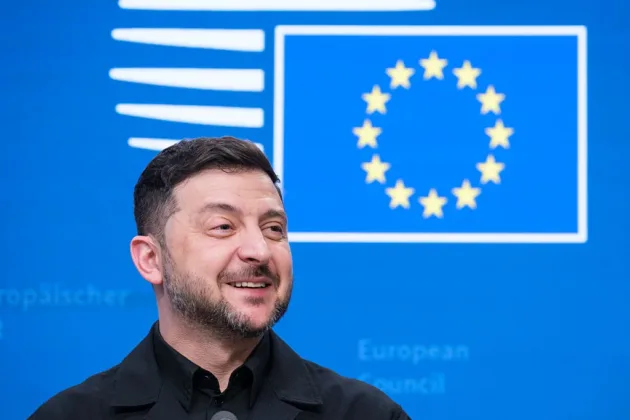










The new Hungarian Government has signalled it could lift a long-standing veto on Ukraine’s bid to join the European Union, a move that would clear the way for Kyiv and Moldova to open the first stage of formal membership negotiations, diplomatic sources have said.
The opening of the first negotiating “cluster” could take place at an intergovernmental conference in Luxembourg on June 15, the sources said.
Ukraine and Moldova submitted their applications to join the bloc at the same time, which means the progress of Chișinău is tied to that of Kyiv.
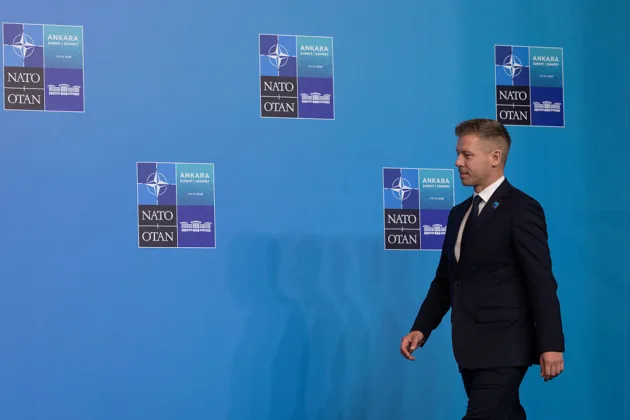
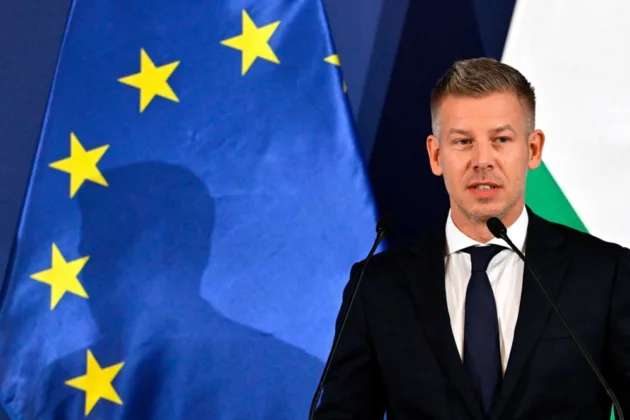
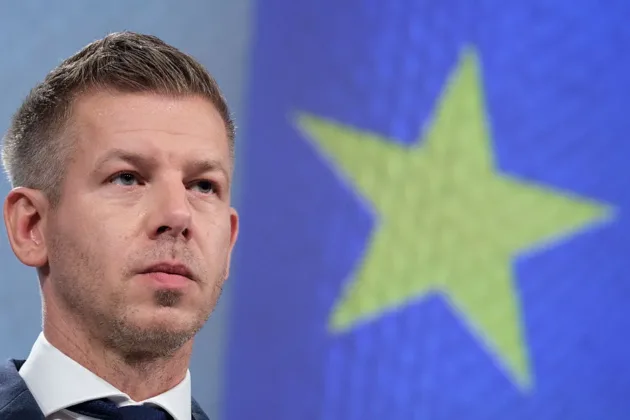
The veto dates from the previous government of former prime minister Viktor Orbán, which had repeatedly blocked the process. Prime Minister Péter Magyar, who took office in May, has privately indicated he is willing to drop it, the diplomats said.
Magyar has set conditions for lifting the veto, centred on the protection of minority rights for ethnic Hungarians living in Ukraine.
Kyiv has offered assurances that address most of the concerns set out in an 11-point plan originally drawn up under Orbán, one diplomat said. Budapest’s consent did not depend on Ukraine passing new legislation at this stage, the diplomat added.
Talks on Ukraine’s EU path picked up after Magyar travelled to Brussels and met senior EU officials to discuss unlocking €16.4 billion in frozen EU funds, according to one of the diplomats.
A Hungarian official said no decision had yet been taken on opening the clusters for Ukraine. EU ambassadors are expected to settle their position on the first cluster in the coming days.
The accession process covers 35 chapters, grouped into six thematic clusters. The first, known as “Fundamentals”, covers the rule of law, anti-corruption measures, fundamental rights and the functioning of democratic institutions.
Cyprus currently holds the rotating presidency of the Council of the European Union until the end of June, after which Ireland takes over for six months. Enlargement Commissioner Marta Kos has urged member states to open the first cluster this month, with the remaining five to follow by July.
Ukraine and Moldova formally opened accession negotiations at a first intergovernmental conference in June 2024, two years after both were granted candidate status. EU leaders had agreed to open the talks in December 2023.