




Energy prices have fallen sharply across European markets after the United States and Iran paused military strikes over the weekend, easing fears of a fresh supply squeeze through the Strait of Hormuz.
Brent crude, the international benchmark, dropped about 5 per cent on July 27 to just under $92 (€81) a barrel, after briefly trading above $100 last week. US West Texas Intermediate fell to around $84.60.
European natural gas retreated faster still. The Dutch TTF contract shed more than 7 per cent to below €59 per megawatt hour, having settled close to €63 on July 24, its highest level since January 2023.
Washington stopped bombing Iranian targets late on July 24 after 13 consecutive nights of strikes. Tehran said two days later that it had suspended its own retaliatory operations.
Mike Waltz, the US ambassador to the United Nations, said the pause was meant to create room for diplomacy, though more military assets were moving into the region should talks fail.
Iranian and Omani officials have meanwhile held talks on shipping through the strait. Iran’s foreign ministry spokesman Esmaeil Baqaei said the discussions covered “common principles and operational mechanisms” for safe passage.
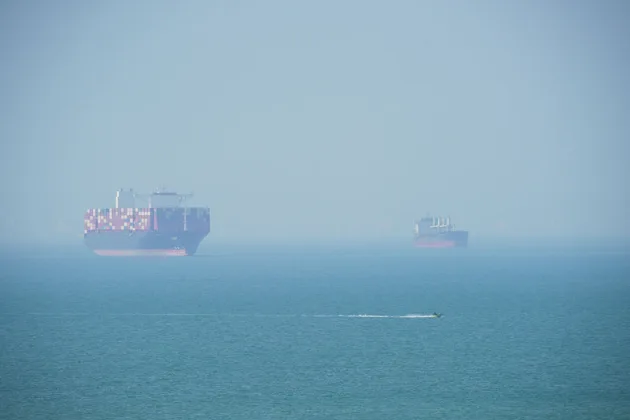
Traders remained wary. Fewer than 10 commodity vessels passed through the Strait of Hormuz each day over the weekend, according to shipping data from Kpler, while traffic through the Bab el-Mandeb strait fell after Houthi forces struck Saudi oil installations on the Red Sea coast.
The waterway normally carries close to a fifth of the world’s oil and liquefied natural gas and has been largely closed since February 28, when Iran moved against shipping in response to US and Israeli air strikes. The European Union adopted sanctions in May on Iranian officials and entities blamed for the blockade.
Europe’s exposure runs deeper than crude. The European Commission has estimated that up to 40 per cent of EU imports of refined fuels such as diesel and jet fuel normally transit the strait.
Storage is the more immediate worry. EU gas facilities were 54.2 per cent full against 65 per cent a year earlier, leaving member states short of the volumes wanted before the heating season and competing with Asian buyers for cargoes.
The Commission cut its growth forecast for the EU economy this year to 1.1 per cent in May, from 1.4 per cent, and lifted its inflation projection to 3.1 per cent, blaming the energy shock.
Oil had returned to about $72 a barrel in June after the memorandum of understanding signed by Washington and Tehran, and OPEC+ raised output for a third month on that basis. The reversal since has left European buyers paying for a peace that has yet to hold.