

Luís Fabiano, the Brazilian striker who won two UEFA Cups with Sevilla, has been confirmed by Brazil’s electoral court as a candidate for the Chamber of Deputies at the general election on October 4.
The 45-year-old is standing in São Paulo for the Brazilian Democratic Movement (MDB), the centrist party that has taken part in almost every governing coalition since the end of military rule. He joined it in March and appears on ballot papers as number 1509.
São Paulo returns 70 of the 513 seats in the lower house, more than any other state. All of them are being renewed on October 4, along with the presidency, two-thirds of the Senate and every state assembly.
The former forward has said he went into politics because he could not accept the potential of young Brazilians being wasted, according to his campaign accounts on social media. His programme centres on grassroots sport, job creation, preventive healthcare and digital access for the young.
His bid is backed by São Paulo mayor Ricardo Nunes, MDB national president Baleia Rossi and state deputy Jorge Caruso. The campaign slogan, Começa o jogo, or the game starts, makes no attempt to disguise where his name recognition comes from.
Registration also obliged him to open his books. He declared assets of about R$20.1 million (€3.4 million), mostly residential and commercial property in Brazil and Spain.
In Europe he is remembered first for a season at Porto in 2004-05, when the Portuguese club won the Intercontinental Cup, and then for six years at Sevilla, where he scored 106 goals in 229 matches and won the UEFA Cup in 2006 and 2007 and the Copa del Rey twice. He won 45 caps for Brazil and led the attack at the 2010 World Cup before retiring in 2017.
The chamber he wants to join has a bearing on Brussels. Brazil is the largest economy in Mercosur, whose trade agreement with the European Union entered provisional application on May 1 and has already produced friction, including the suspension of Brazilian meat and honey imports over antimicrobial rules in September.
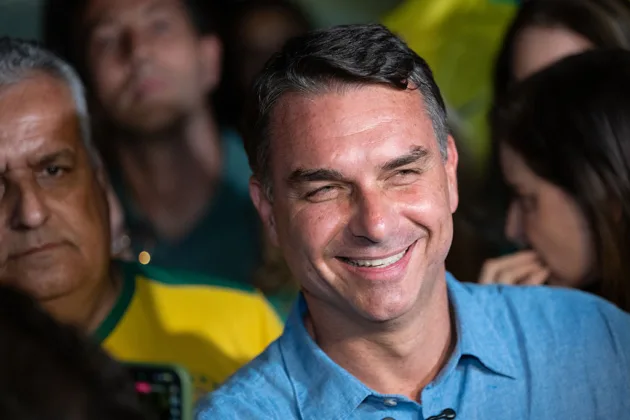
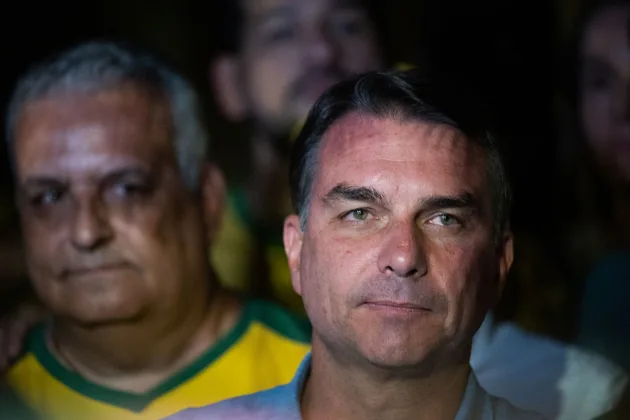
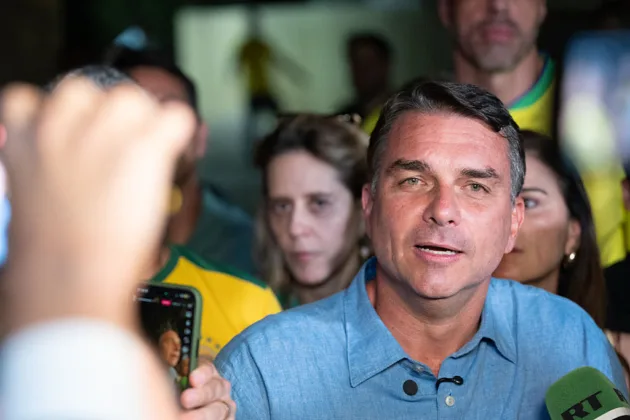
The election is dominated by the presidential race between President Luiz Inácio Lula da Silva, who in April launched a global Left alliance alongside Spanish Prime Minister Pedro Sánchez in Barcelona and is seeking a fourth term at 80, and Senator Flávio Bolsonaro. A run-off would follow on October 25 if neither clears half the vote.
Luís Fabiano is not the only well-known name on a São Paulo ballot paper. Television presenter José Luiz Datena and singer Manoel Gomes are also standing, in a country where fame earned on the pitch or on screen has long doubled as a political platform.