
European and NATO figures have been among those paying tribute to US senator Lindsey Graham, the Republican foreign-policy hawk who died on July 11, 2026 after a brief illness.
European Commission President Ursula von der Leyen said Graham had “fought until the very end” to back Kyiv and raise the cost of Russia’s war, in coordination with the EU. She called him a determined and fearless leader who would be sorely missed.
European Parliament President Roberta Metsola described a “titan of US politics” who, she said, had understood the value of the transatlantic alliance and of backing Ukraine. She recalled sharing a stage with him at the Munich Security Conference earlier in the year.
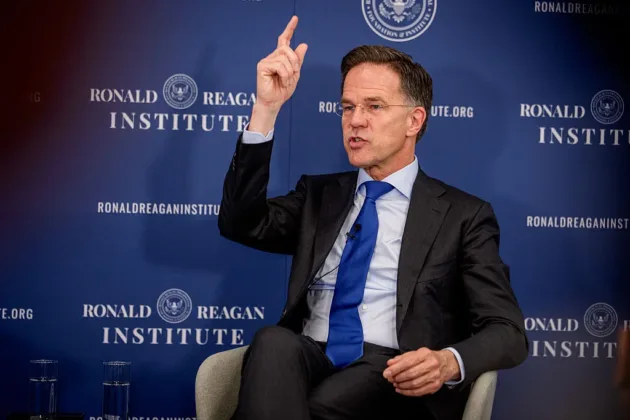
NATO Secretary General Mark Rutte called Graham a “powerful advocate for America” who believed in the alliance and had pushed to end Russia’s war. His predecessor, Jens Stoltenberg, cited the senator’s commitment to NATO and the transatlantic bond.
German Chancellor Friedrich Merz called Graham a partner of Germany across four decades, while Finnish President Alexander Stubb mourned a personal friend.
Graham was, though, a polarising figure. A war hawk who had supported the invasion of Iraq and, more recently, US strikes on Iran, he drew criticism at home and abroad for his readiness to deploy American military power. His appetite for intervention had also unsettled the isolationist wing of Trump’s own movement, which has grown wary of foreign entanglements.
Reaction beyond his allies was far from mournful. Iranian state television announced his death in openly hostile terms, and his record had long made him a target of anti-war voices on both the left and the right.
For European capitals, the loss was framed largely in strategic terms. Graham had worked closely with them on sanctions against Russia, and on his final visit to Kyiv had reported progress on a fresh package meant to pressure Moscow toward talks. They had come to regard him as one of the few US lawmakers reliably willing to push Washington to keep arming Ukraine.
His death removes a key Senate interlocutor for Europe on Russia policy, days after allies had worked alongside him at the NATO summit in Turkey.