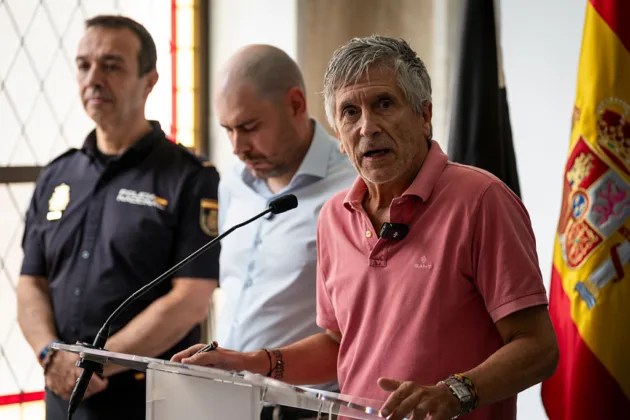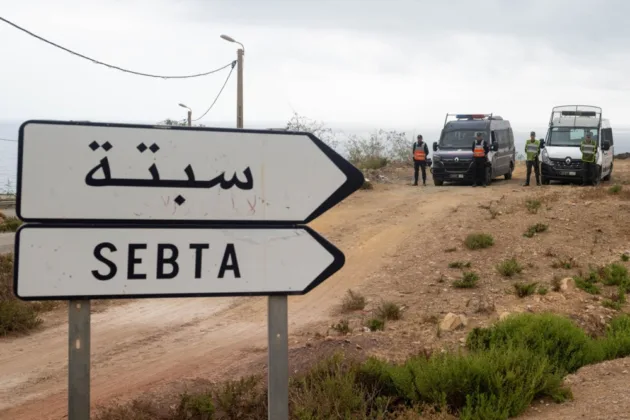








Spanish Defence Minister Margarita Robles has demanded that Morocco investigate the mass entry of migrants into Ceuta and has defended the country’s intelligence services against suggestions they failed to anticipate it.
Speaking on August 3 during a visit to a military base in Zaragoza, northeast Spain, Robles said Spanish sovereignty and territorial integrity were not open to discussion and that Ceuta and Melilla would not be touched.
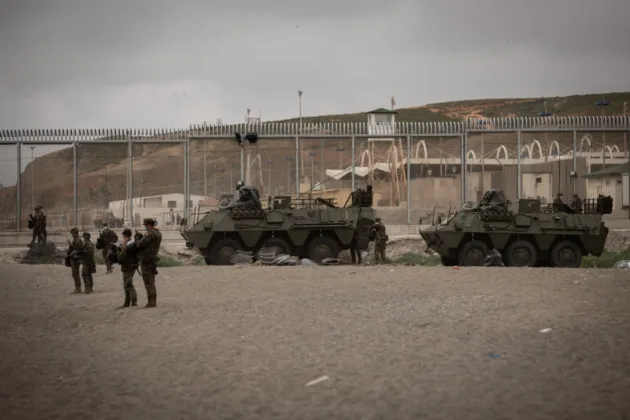
She said the armed forces would keep supporting the Guardia Civil in the two autonomous cities for as long as necessary.
Robles asked the Moroccan government to establish what had happened in the movements at the border and to pursue the matter to its conclusion. Smuggling networks and anyone who had allowed or tolerated the crossings would have to answer for them, she said.
Her tone was firmer than that of the rest of the Spanish Government, which has largely avoided pointing at Rabat. Foreign Minister José Manuel Albares has instead blamed political opponents elsewhere in Europe for coordinating their response.
The minister declined to say whether the National Intelligence Centre (CNI) had picked up warnings before the surge, saying its work was secret.
She praised staff at the CNI, the Armed Forces Intelligence Centre (CIFAS) and the information units of the National Police and Guardia Civil, and said their work was highly valued across Europe.
Interior Minister Fernando Grande-Marlaska said on August 1 that he had received no alert from the CNI, which answers to the Defence Ministry. El País reported on August 3 that the episode had strained relations between the two departments, though an Interior Ministry spokesman played the tensions down.
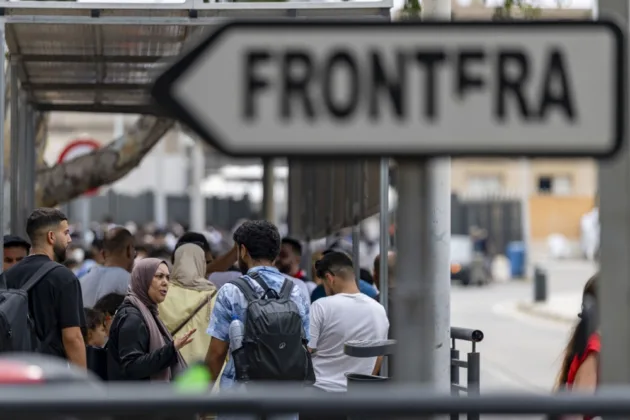
Spain estimates that about 69,500 people have returned to Morocco over four days, exceeding the 50,000 arrivals initially calculated for July 30. The official death toll stands at 72 on the Spanish side of the border and 11 on the Moroccan side.
Ceuta President Juan Jesús Vivas said between 3,000 and 5,000 migrants remained in the city and that its reception centres for adults and for minors had collapsed.
The National Court has opened preliminary proceedings and asked the National Police to report on whether the crossings amounted to a concerted action directed by a criminal organisation.
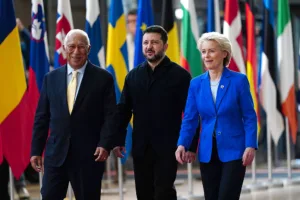
European Commission President Ursula von der Leyen credited Spanish and Moroccan law enforcement on August 1 and said the episode showed why border control mattered. “Not a single person reached mainland Spain or the rest of the EU,” she said.
Leaders of 22 member states have called for an emergency videoconference of interior ministers, with several citing the Spanish regularisation scheme for illegal migrants as a pull factor.