







Fidesz has begun building an autumn campaign around the end of Hungary’s cap on variable mortgage interest rates, which the Government has confirmed will run only until September 30.
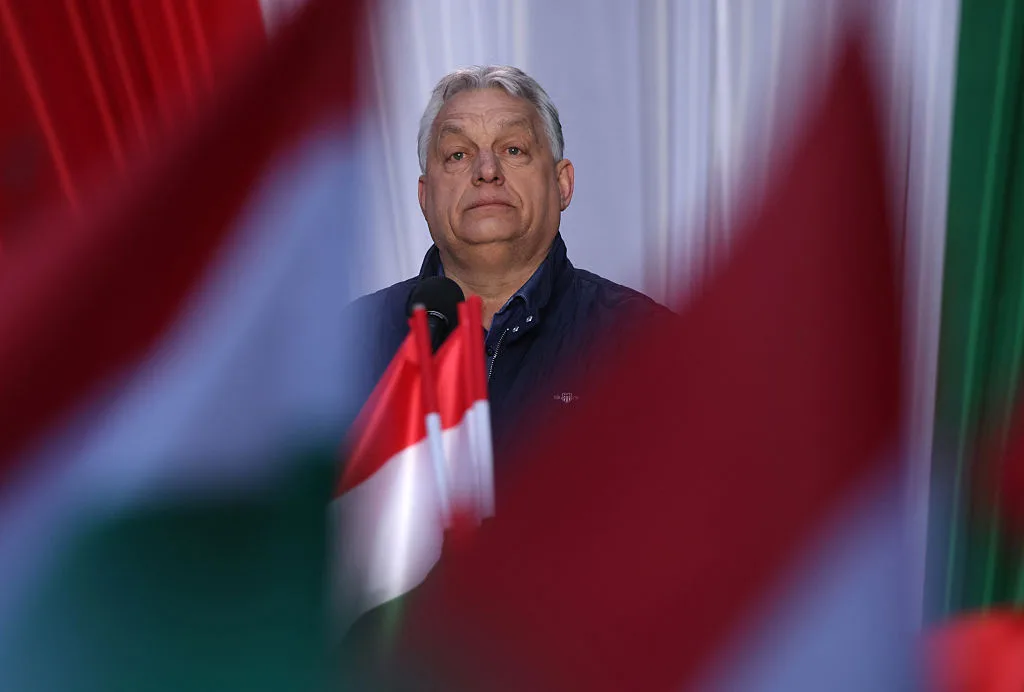
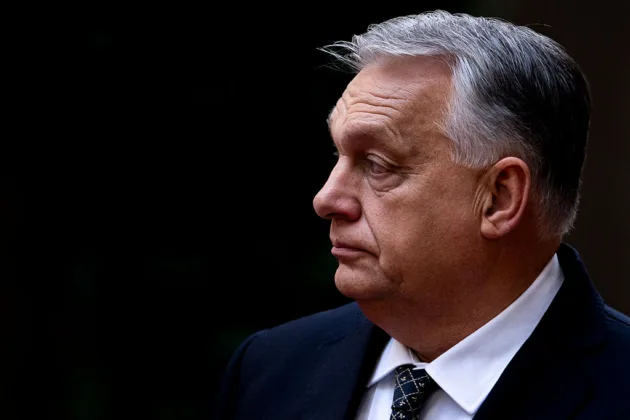
Orbán, now the party’s chairman and leader of the opposition, told Index.hu in an interview published on June 15 that the plundering of the country had begun. He contrasted the bank levy his government imposed in 2010 with a step he cast as moving money from households to mostly foreign-owned lenders.
He predicted the effects would be plain by autumn and said Fidesz’s main task was to work with the public to stop them, raising the prospect of what he called a serious patriotic movement.
The cap was introduced by his own government in January 2022, during the inflation surge that followed Russia’s invasion of Ukraine, and was extended repeatedly. On April 17 it was prolonged indefinitely, five days after the election that removed Orbán after 16 years.
Finance Minister András Kármán said the scheme would stay in place on unchanged terms until the start of October while consultations continued. He described the aim as withdrawing it in a way that left genuinely vulnerable borrowers with real support.
Kármán has argued that a responsible economic policy and a predictable budget would have made such a market-distorting measure unnecessary. The legislation setting the September date has been through public consultation and still requires parliamentary approval.
Figures from the Hungarian National Bank show about 220,000 mortgage contracts fall under the scheme. Roughly 19,000 borrowers meet the central bank’s definition of vulnerable, which covers those whose monthly repayments would rise by at least 5,000 forints (€13) and whose debt servicing exceeds 40 per cent of income.
The Hungarian Banking Association has pressed for help to be narrowed to that smaller group. Its vice-president András Becsei said the sector’s own calculations pointed to about 10,000 borrowers needing continued protection.
Banks have also warned of the accounting cost of any further extension. Central bank estimates put a one-off sector-wide charge at around 125 billion forints (€330 million), rising to as much as 300 billion forints (€800 million) if lenders treat the loss of interest margin as permanent.
OTP Bank and other institutions have challenged the cap at the Constitutional Court, filing a fresh submission in May that the court has accepted for review.
Repayments are due to change as parliament returns from its summer recess. Magyar’s Government is also under pressure over its suspension of state television news and over constitutional changes barring Orbán from office, while its central objective remains the release of €17 billion in frozen European Union funds.