



Hungary’s parliament has voted to abolish the Sovereignty Protection Office, a body created under former prime minister Viktor Orbán that critics said was used to target NGOs and independent media over alleged foreign interference.
Lawmakers backed the bill by 135 votes to 44, with six abstentions, on June 30.
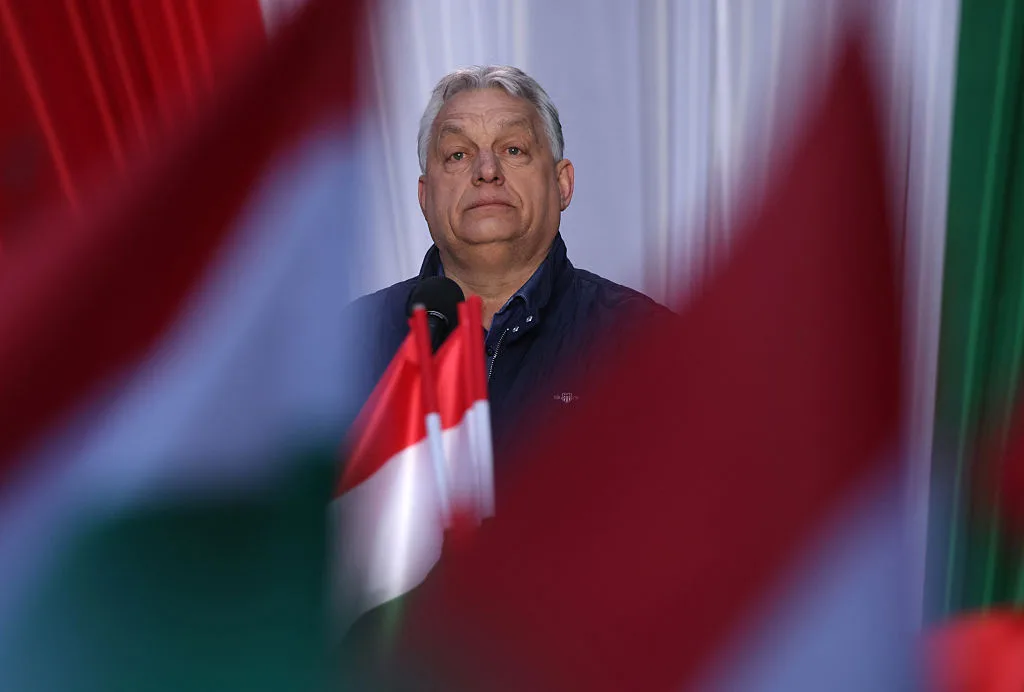
The measure was submitted by the governing Tisza party, which ended Orbán’s 16-year rule after winning a two-thirds majority in April’s election. Orbán’s Fidesz-KDNP alliance voted against, while the nationalist Mi Hazánk (Our Homeland) party abstained.
Set up in 2023 and operational from February 2024, the office was tasked with investigating alleged foreign influence in Hungarian politics. It had been established shortly before the 2024 European elections.
The body held wide powers to scrutinise organisations, media outlets and individuals suspected of serving foreign interests. Among its targets were the anti-corruption group Transparency International Hungary and the investigative outlet Átlátszó.
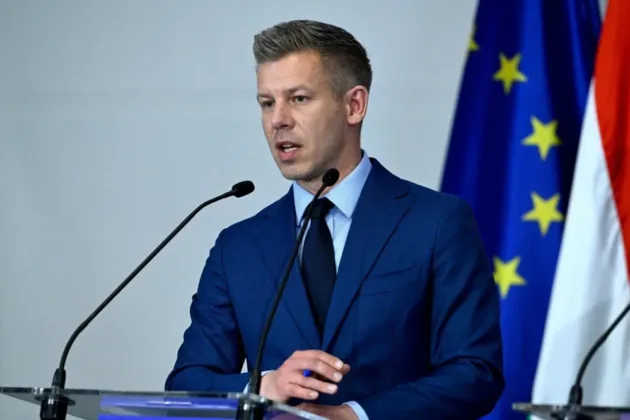
Prime Minister Péter Magyar has moved to dismantle several institutions built during Orbán’s tenure. Magyar said parliament had closed the office at Tisza’s request, describing the decision as final.
The dissolution followed a constitutional amendment passed on June 15 that removed the provision underpinning the office. The law takes effect 15 days after promulgation, when the body’s assets would pass to the Ministry of Justice.
The European Commission had opened infringement proceedings against Hungary over the law behind the office in February 2024, arguing it breached European Union democratic values and several fundamental rights. The Commission later referred the case to the European Court of Justice.
The office, headed by former Orbán speechwriter Tamás Lánczi, ran on an annual budget of more than 6 billion forints (€17 million). It published studies echoing government positions on issues such as migration, Ukraine and relations with the European Union.
Lánczi said its closure formed part of a wider process weakening Hungary’s national defences and the state’s capacity to act.