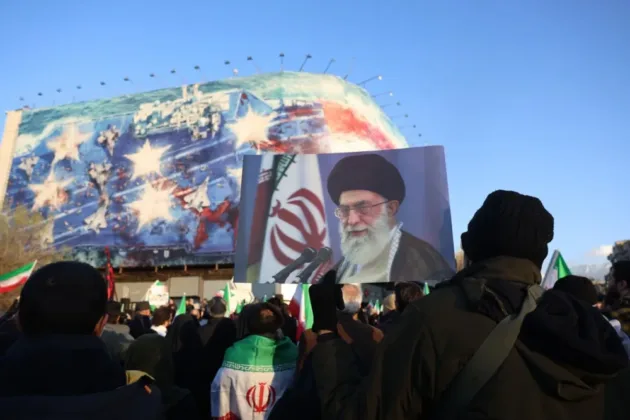



Iran has barred European and other Western leaders from the state funeral of its late supreme leader Ali Khamenei, which began in Tehran on July 3.
Delegations from more than 100 countries have travelled to the Iranian capital for the ceremonies, according to state-linked broadcaster IRIB, though no senior Western officials were invited.
Russia sent former president Dmitry Medvedev as Vladimir Putin’s special envoy, while China was represented by senior lawmaker He Wei and Pakistan by Prime Minister Shehbaz Sharif.
India, Tajikistan, Armenia and the Taliban government of Afghanistan also dispatched representatives.
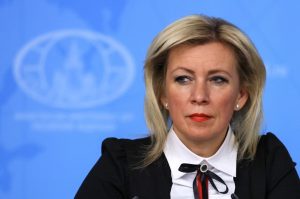
Iranian foreign ministry spokesman Esmaeil Baghaei said European leaders had not earned the right to attend because they had failed to “stand on the right side of history” during the conflict.
The main exception among European figures was Georgian President Mikheil Kavelashvili, whose government has drawn closer to Moscow and Tehran while distancing itself from Brussels.
Khamenei, 86, was killed on February 28 in a joint US-Israeli air strike on his compound, on the first day of the war between Iran and the two allies.
Several of his relatives, including his daughter, son-in-law and a young grandchild, died in the same attack, according to Iranian officials.
His burial had originally been set for March but was postponed as the fighting dragged on.
The rites would run for about a week across the Iranian cities of Tehran, Qom and Mashhad, as well as Najaf and Karbala in neighbouring Iraq, before a final burial at the Imam Reza shrine in Mashhad on July 9.
Iranian authorities said more than 20 million people were expected to take part in the Tehran processions.
Khamenei was succeeded as supreme leader by his son, Mojtaba Khamenei, who was elected on March 8 but has not appeared in public since.
His continued absence from the funeral fuelled speculation about his health, after reports that he had been wounded in the February strike.
Senior Iranian figures used the occasion to renew threats against the country’s enemies.
Armed forces commander Amir Hatami said Iran would “avenge the blood” of the slain leader, while parliament speaker Mohammad Bagher Ghalibaf urged Iranians to demand revenge against Israel and the United States.
Negotiations between Tehran and Washington over ending the war have been paused for the week of the funeral, with both sides reporting limited progress.