





The United States has struck Iran for a ninth consecutive night and Tehran has launched fresh missiles in return, as a month-old ceasefire between the two countries collapsed over control of the Strait of Hormuz.
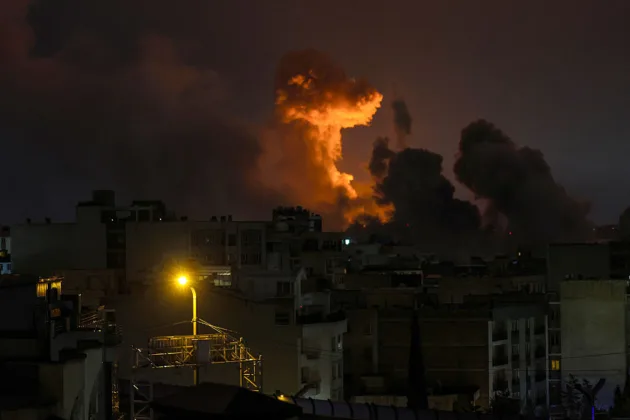
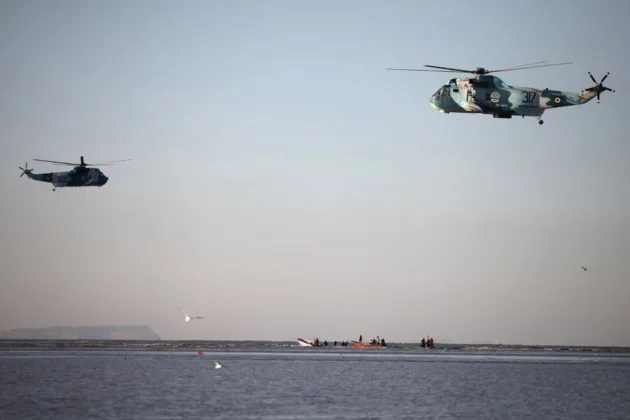
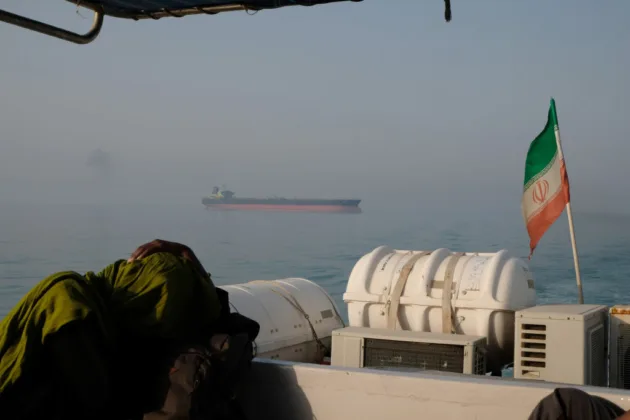
US Central Command said its forces had hit Iranian military command centres, air defences, missile and drone launch sites and communications networks in the latest wave. The strikes were aimed at degrading Iran’s ability to attack commercial vessels and crews passing through the strait, it said.
Iranian state media reported explosions in cities across the country, from the southern ports of Sirik and Jask to Tabriz in the northwest, which was hit for the first time since the escalation began. Iranian outlets also reported that a new wave of missiles had been fired from Lorestan province at US military assets in the region.
The exchange marked the second collapse of a US-Iran truce since the war began. European leaders had welcomed the June deal as a possible route out of the conflict.
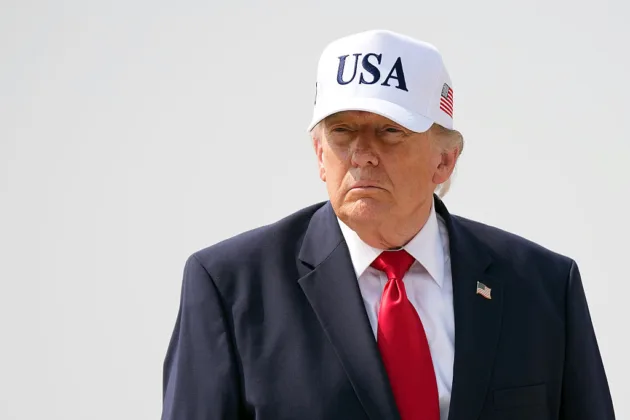
US President Donald Trump said the latest operation had been carried out in honour of three American service members who had died in recent days. “We hit them very hard again tonight,” he told reporters on returning to Washington after the World Cup final.
Two of the soldiers died in an Iranian attack on a US base in Jordan, while a third was killed in Iraq during the controlled detonation of a downed Iranian drone. The deaths brought the number of US service members killed since the war began to 17, with more than 420 wounded.
Ayatollah Mojtaba Khamenei, in a statement read on Iranian state television, rejected Trump’s signature on the ceasefire as meaningless and warned of severe consequences should the attacks continue.
The war began on February 28, when the US and Israel attacked Iran and killed its supreme leader Ali Khamenei. It has weighed heavily on the European Union, where the closure of the strait, through which about 20 per cent of the world’s oil passes, has driven gas and electricity prices sharply higher.
The European Commission has warned that energy costs would not return to pre-war levels even once the fighting stopped. Gulf states allied to Washington have also been drawn in, with Kuwait, Bahrain and Jordan all reporting Iranian drone and missile attacks.