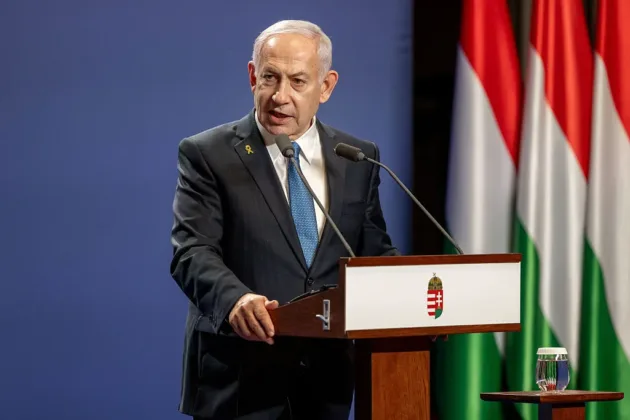






Israel’s parliament has confirmed national elections will be held on October 27, the latest date permitted by law, setting the stage for what many analysts describe as a referendum on Prime Minister Benjamin Netanyahu’s long tenure.
The vote comes nearly three years after the October 7, 2023 Hamas attacks and amid the prolonged conflicts that followed in Gaza, Lebanon, and against Iran.
Netanyahu’s right-wing coalition has governed through multiple crises, but recent polling indicates it is struggling to secure a Knesset majority.
Recent surveys show Netanyahu’s Likud party projected to win around 22–27 seats, down from 32 in 2022.
His broader bloc (including religious and far-right partners) is often polling short of the 61 seats needed for a majority.
Opposition forces, including former IDF chief Gadi Eisenkot’s Yashar party, are competitive or narrowly ahead in some head-to-head scenarios.
A Channel 13 poll this week placed Eisenkot’s list slightly in front.
Key issues dominating the campaign include accountability for security lapses surrounding October 7, the handling of the multi-front wars, judicial reform fallout, and the contentious ultra-Orthodox military draft exemption.
Recent polling suggests many Israelis remain dissatisfied with Netanyahu’s leadership following the October 7 attacks and subsequent wars.
Netanyahu has confirmed he will seek another term, positioning himself as the experienced leader best equipped to manage Israel’s security challenges.
However, coalition partners such as Shas and United Torah Judaism continue to push for Haredi draft exemptions, a move that risks alienating other voters and complicating bloc arithmetic.
The opposition remains fragmented but includes potential alliances around centrists and former military figures.
Forming a stable government after the vote could prove difficult for either side, with Arab parties and smaller factions likely playing kingmaker roles.
October 27 marks the first time since 1988 that Israeli elections are proceeding on the originally scheduled date without an earlier collapse of the coalition.
Party lists are due by early September, with final results expected in early November.