





Italy’s publishing industry has abandoned a requirement for exhibitors at the 2026 edition of Più Libri Più Liberi (“More Books, More Free”), the country’s leading fair for small and medium-sized publishers, to sign an “anti-fascist” declaration as a condition of participation.
The Italian Publishers Association (Associazione Italiana Editori, AIE), which organises the Rome-based event, announced on July 6 that it was withdrawing the measure after weeks of political controversy and objections from publishers who had refused to sign it. The association said it would now consider every application received, including seven of more than 300 that had been left “incomplete” because the publishers concerned declined to sign the pledge.
The declaration, introduced in June for the fair’s 25th edition, scheduled for December 4-8, 2026 at the Nuvola conference centre in Rome’s EUR district, would have required exhibitors to “recognise and share the anti-fascist values underpinning the democratic order of the Italian Constitution”, reject fascism and all forms of totalitarianism, and undertake not to display or sell material glorifying fascism or inciting hatred, on pain of exclusion. It was added to Article 24 of the fair’s rules, which already bound publishers to the values of the Constitution, the Charter of Fundamental Rights of the European Union and the Universal Declaration of Human Rights.
Critics quickly dubbed it a patentino antifascista, or “anti-fascist licence”, arguing that it amounted to an ideological test for access to a publicly funded cultural event.
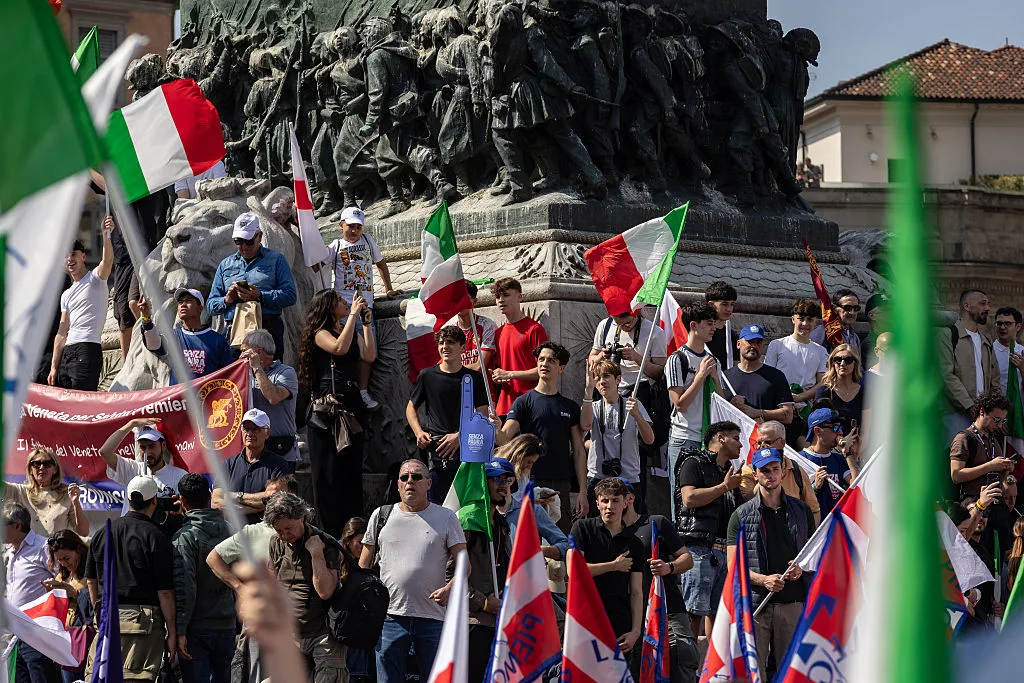
Italian Prime Minister Giorgia Meloni led the opposition to the initiative. In a post on X on June 14, she described it as “censorship” and framed the requirement as the Left dictating what Italians may read, publish or think. She argued that participation should be determined by compliance with Italian law rather than by signing a political declaration. Culture Minister Alessandro Giuli backed her, calling the pledge an “anachronistic” demand to profess anti-fascist faith and welcoming the association’s promised review.
According to its opponents, the new requirement was designed to prevent publishers associated with the conservative or nationalist Right, or those unwilling to identify with Italy’s left-wing post-war anti-fascist stance, from exhibiting at the fair.
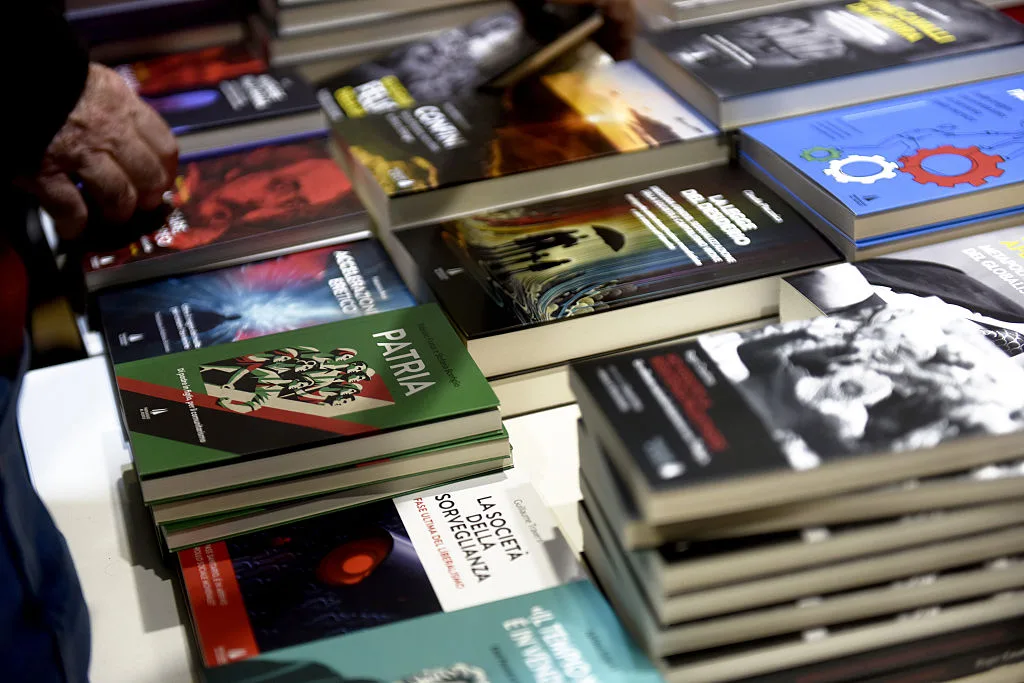
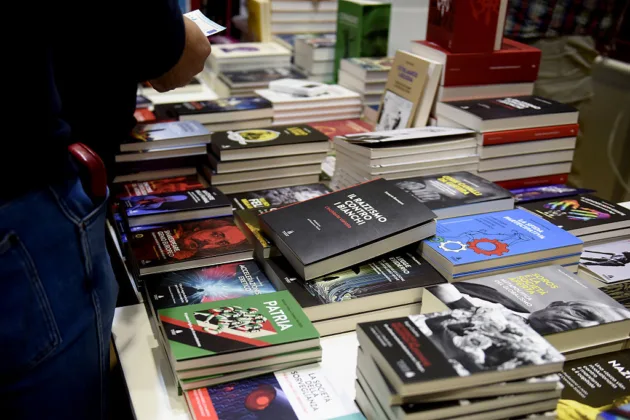
The move followed controversy at the previous edition of Più Libri Più Liberi, the 24th, held in Rome in December 2025. That dispute centred on the presence of Passaggio al Bosco, a right-wing publisher whose catalogue features authors linked to Europe’s nationalist and inter-war fascist movements. In an appeal, 89 authors and intellectuals said the catalogue rested largely on glorifying figures from what they called the “nazi-fascist and anti-Semitic” pantheon and asked the association to exclude the publisher. Signatories included the historians Alessandro Barbero, Carlo Ginzburg and Anna Foa and the novelist Antonio Scurati.
Passaggio al Bosco had not, though, been accused of breaking Italian law.
The stand drew protests during the fair. The cartoonist Zerocalcare withdrew a scheduled book presentation, and Rome’s culture councillor, Massimiliano Smeriglio, stayed away from the opening event. Despite the objections, the contested stand was the most visited of the 604 exhibitors, according to the fair’s own figures.
For many on the Italian Left, the controversy extended beyond a handful of publishers. They argued that Meloni’s conservative government was attempting to expand its influence over cultural institutions traditionally dominated by progressive intellectuals, and that the fair had a responsibility to defend the anti-fascist principles on which the Italian Republic was founded.
Critics of the declaration rejected that argument, insisting that no publisher should be excluded unless it had broken the law. Several publishers announced they would not sign, arguing that ideological commitments should not condition participation in a public book fair and that existing Italian legislation already allowed the exclusion of organisations that break the law. The Milan publisher Edizioni Settecolori applied for the 2026 fair but said publicly it had not signed the clause, arguing that respect for the Constitution and the law was a sufficient basis for taking part.
Announcing the change on July 6, Annamaria Malato, president of the fair, said the declaration had never been meant as censorship but had failed to create the calm she intended, and that the formula would be rethought for the next edition. She rejected the idea of a climbdown while acknowledging a misjudgement.
The decision ends the immediate dispute but leaves unresolved a broader debate over freedom of expression, historical memory and the role of political ideology in Italy’s cultural institutions under Meloni’s government.