









The Russian Government has banned diesel exports by producers of the fuel, widening a restriction that had applied only to traders and other resellers, after a sustained Ukrainian drone campaign against refineries on Russian soil.
The measure took effect on July 8 and will remain in place until July 31, the government said. Shipments made under pre-existing intergovernmental agreements, including a supply deal with Mongolia, are exempt.
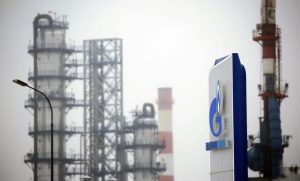
Moscow said the aim was to keep the domestic fuel market stable. Ukrainian strikes have knocked out or curtailed processing at plants across the country, leaving drivers in a number of Russian regions queuing for hours at filling stations.
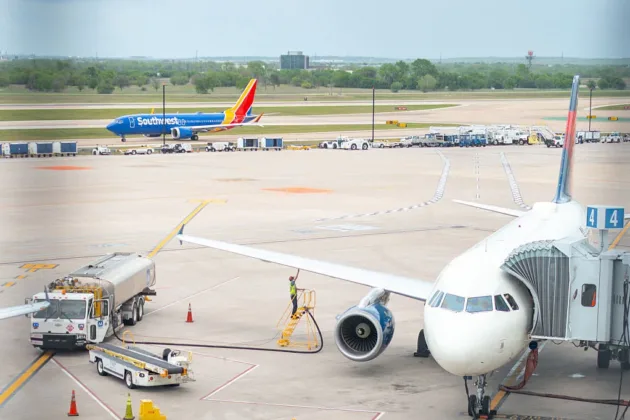
Deputy Prime Minister Alexander Novak told a televised government meeting that the situation remained difficult and that conditions at petrol stations were a source of public concern. “Today, a ban on diesel fuel exports was introduced,” he said, adding that Russia would begin importing fuel during July.
Novak said other steps had been taken to ease the shortage, including running operational refineries at maximum capacity, releasing stockpiled fuel onto the market and shortening routine maintenance schedules. Industry sources have said Moscow has already started seaborne imports of petrol from India.
President Vladimir Putin, speaking at the same meeting, said Ukraine was seeking to damage the Russian economy and, above all, to spread unease at home. That aim was unattainable, he said, describing the resilience of the country’s power system as among the highest in the world.
The decision landed on already strained energy markets. Benchmark European diesel refining margins climbed to a record after the announcement, with traders pointing to supply disruption linked to the war in Iran and to tensions around the Strait of Hormuz in recent months.
Russia accounted for roughly 11 per cent of global diesel supplies last year, data showed. Seaborne diesel and gasoil exports had already collapsed before the ban, falling by close to two-fifths in June from the previous month, according to shipping data.
Turkey and Brazil were the dominant buyers of Russian cargoes in June, with Morocco, Egypt and Senegal also emerging as significant importers.
Ukraine’s Special Operations Forces said their deep-strike units had hit two refineries at Nizhnekamsk, in the Republic of Tatarstan, in an overnight attack on July 8. Russian monitoring channels reported explosions the same night near the Rosneft-operated refinery at Saratov, in the Volga region.
Kyiv has said the campaign is intended to limit Moscow’s capacity to wage war and to push it towards negotiations.