




German police have widened their search for the man suspected of a wave of attacks on the country’s electricity grid after finding more launching devices and another letter claiming responsibility beside a lignite-fired power station in western Germany.
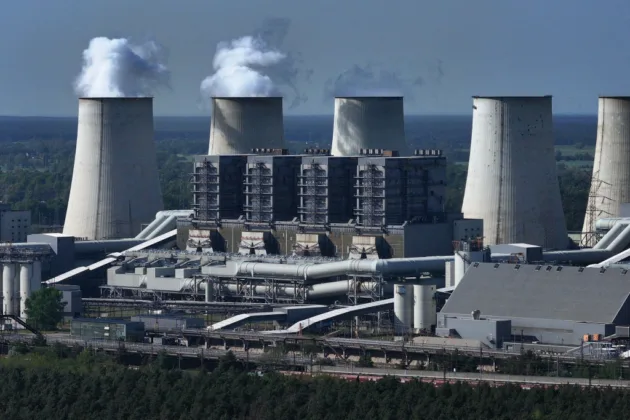
Cologne police said officers had moved to the Weisweiler plant near Aachen on September 7 after reports of a suspicious person there, and had then found several devices near high-voltage lines.
Bomb disposal specialists from the state criminal police were sent in and the area was sealed off. A stretch of the A4 motorway between the Eschweiler-Ost and Langerwehe junctions was closed in both directions and reopened at about 6pm.
Police said on September 8 that a further letter claiming responsibility had been found near the devices, though they declined to disclose its contents for investigative reasons.
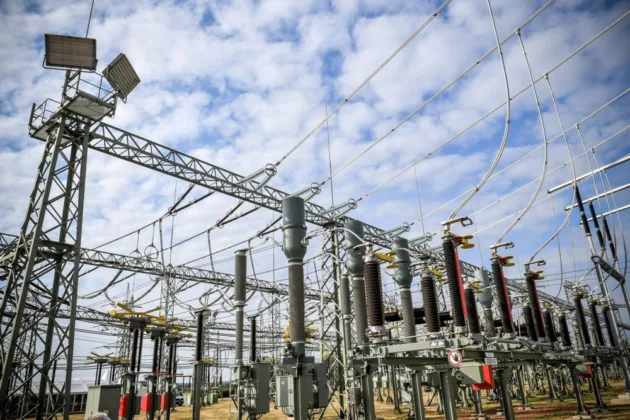
In eastern Germany, officers recovered nine more homemade devices along high-voltage routes south of the Graustein substation, near the village of Schleife in the Görlitz district, close to the Polish border. Special units of Saxony’s criminal police defused them, taking the number recovered in that state to 21.
The general prosecutor’s office in Dresden and police in Görlitz have again appealed for public help. They said on September 5 that 12 devices had been found in the Lusatian lignite region on the border with Brandenburg, all meant to cause a short circuit on the lines, and that no damage had been done to the grid and no danger posed to the population.
The suspect is thought to have used homemade rockets to fire a thin wire over power lines. Such attacks knocked several units offline at a plant at Bergheim, west of Cologne, and succeeded at Jänschwalde in Brandenburg, without causing blackouts.
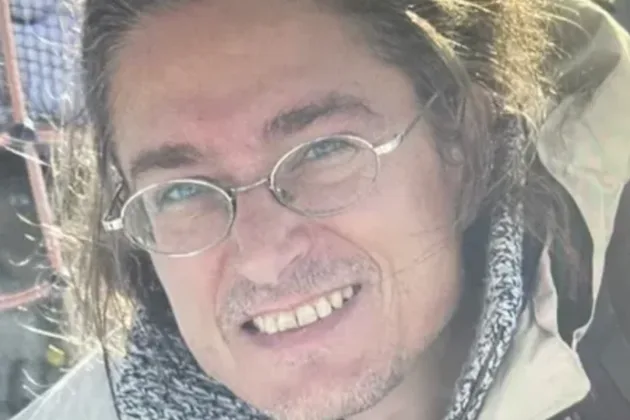
Police are hunting a 48-year-old from Gevelsberg, in the southern Ruhr, who emerged as the main suspect after signed letters citing opposition to fossil-fuel power reached several media outlets. Two photographs of him were released on September 5 and investigators have since appealed for sightings of a bicycle he may be using.
Explosives were found at his flat on September 4, and a special unit later stormed a lorry converted into a camper van in woodland near Niederzier, about 100 kilometres away, without finding him. A large-scale search of the Hambach Forest near Cologne on September 6 produced no trace.
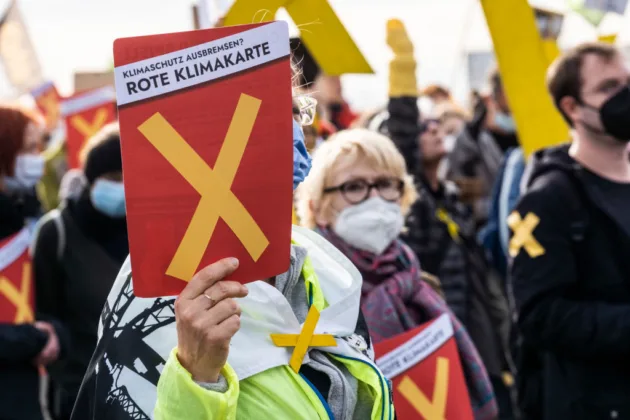
The incidents have been concentrated in North Rhine-Westphalia, Brandenburg and Saxony, the three states where lignite is still mined and burned for electricity. German interior minister Alexander Dobrindt has said the case is most probably climate terrorism by a lone perpetrator, after ministers had initially raised the prospect of Russian involvement in a run of attacks on critical infrastructure in Germany.