

German investigators have identified a militant climate activist as the prime suspect in a series of attacks on the country’s electricity grid, moving the inquiry away from earlier suspicions of Russian involvement.
German interior minister Alexander Dobrindt said on September 4 that the case had to be treated as one of “climate extremism” and that the evidence pointed to a lone perpetrator. North Rhine-Westphalia’s interior minister Herbert Reul said letters claiming responsibility showed detailed knowledge of the attacks and were presumed to be authentic.
The letters, which reached several media houses including the newspaper taz and the dpa news agency, gave opposition to electricity generated from fossil fuels as the motive. Their author signed with his full name and gave a home address in Gevelsberg, in western Germany.
Police searched the flat there on September 4 and seized explosive material. A special unit later stormed a lorry converted into a mobile home near the Hambach Forest, a site long associated with protests against lignite mining, but the man was not inside.
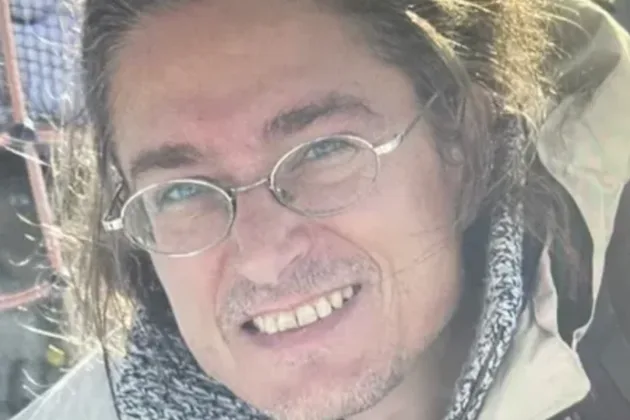
Officers from Brandenburg and North Rhine-Westphalia have since released two photographs of the suspect and appealed for public help. A Europe-wide search was continuing over the weekend.
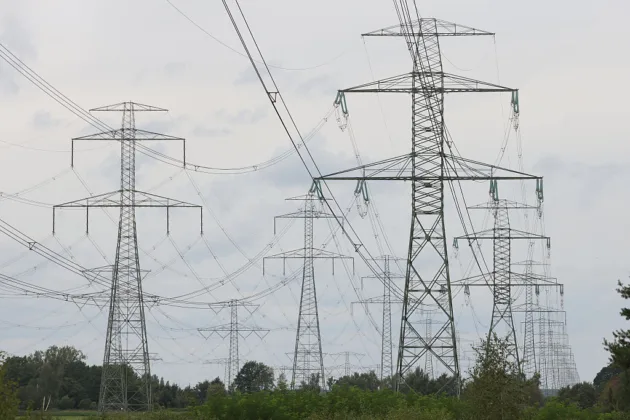
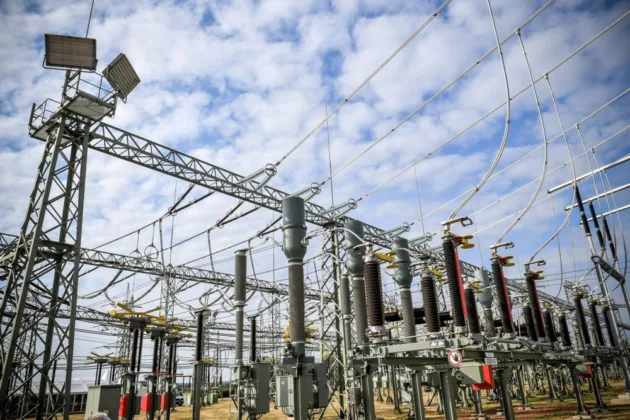
The first confirmed attacks came on September 1, when more than 20 homemade rockets carrying wire were fired at high-voltage lines at a substation serving the Jänschwalde lignite plant in Brandenburg, an incident Brussels Signal reported at the time. Two caused short circuits, though supply was interrupted only briefly.
That evening, a similar method at the Rommerskirchen substation near Cologne triggered an earth fault. Operator RWE took five lignite units at Neurath and Niederaußem off the grid, a combined installed capacity of about 4,200 megawatts that was feeding some 3,000 megawatts into the system at the time.
Further devices were found at Dormagen and Weisweiler. Prosecutors in Dresden said 12 more had been recovered on September 4 near the Bärwalde and Graustein substations in the Lusatian coal region, all defused without damage.
Before the letters arrived, ministers had pointed elsewhere. Brandenburg’s interior minister Jan Redmann called the incidents a hybrid threat and said foreign powers could not be ruled out, days after the German Government blamed Russia for a drone attack on Leipzig/Halle airport on August 4.
The grid has also been a recurring target for left-wing groups, and one such network denied any Russian link after a January arson attack in Berlin that Brussels Signal covered in detail, which cut power to tens of thousands of households in freezing weather.
Reul said anyone endangering hospitals’ electricity supply in the name of climate protection was saving nothing but putting lives at risk, and that no ideology served as an excuse.