




A senior Moroccan minister has restated Rabat’s claim to Ceuta, saying Spain was an essential partner though Morocco would not surrender any part of what it regards as its national territory.
Nizar Baraka, minister of equipment and water and secretary general of the Istiqlal Party, asked what Morocco should say to its Spanish neighbour after the mass crossing into Ceuta, noting that Madrid had said its national security was harmed.
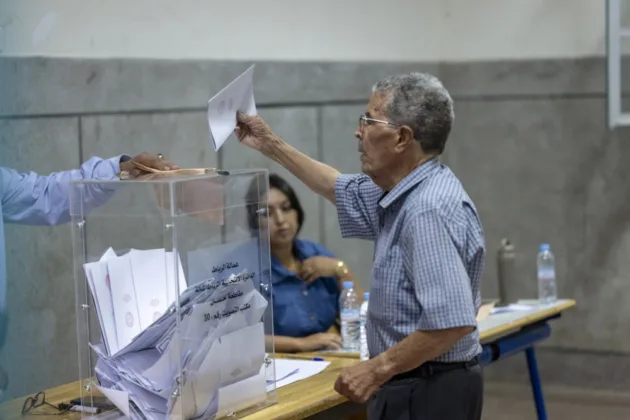
He spoke at an Istiqlal gathering in Rabat at which the party set out its programme for Morocco’s parliamentary election on September 23. The remarks were first reported by Moroccan media on August 30 and circulated widely in Spain on September 3.
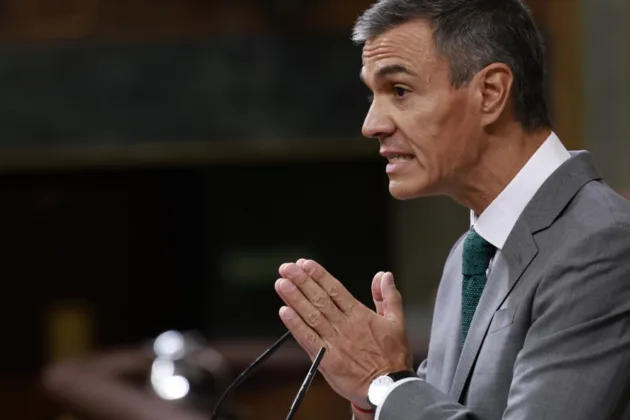
That was the day Spanish Prime Minister Pedro Sánchez appeared before the Congress of Deputies to account for the entry of tens of thousands of migrants into Ceuta on July 30-31.
Sánchez defended what he called a policy of good neighbourliness with Morocco. He said at the same time that Spain would always defend Ceuta and Melilla and that territorial integrity was a red line in dealings with Rabat.
He also disclosed that Spain had summoned the Moroccan ambassador, Karima Benyaich, on August 21 over ministerial statements Madrid rejected. The step had not been made public before and both opposition parties and his own coalition partners criticised the delay.
Moroccan ministers have returned repeatedly to the territorial question in recent weeks. Moroccan justice minister Abdellatif Ouahbi told state television in August that Ceuta and Melilla should come back to the homeland and called for a joint commission on their future.
Religious affairs minister Ahmed Toufiq went further on August 24, speaking at a royal palace ceremony in Rabat in the presence of King Mohammed VI.
He praised a 15th-century scholar as a symbol of the “liberation of the occupied cities” in remarks read in Spain as pointing at the two autonomous cities.
Spanish defence minister Margarita Robles has said sovereignty and territorial integrity are not open to discussion and that neither city would be touched.
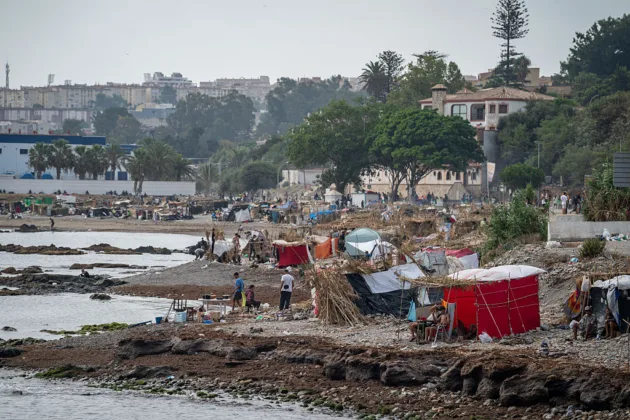
The Spanish Government has put the number who crossed into Ceuta at about 70,000, almost all of whom returned to Morocco within days. At least 72 people died on the Spanish side of the border.
Ceuta and Melilla form the only land border between the European Union and Africa.
A leaked police report has pointed to the involvement of Moroccan security personnel in the July crossings. Sánchez said he would act if solid evidence emerged.