







Sweden’s opposition parties have taken a narrow lead over Prime Minister Ulf Kristersson’s governing bloc in the general election held on September 13, leaving the make-up of the next government unresolved.
With about 94 per cent of electoral districts counted, the four opposition parties held 176 of the 349 seats in Sweden’s parliament, the Riksdag, against 173 for the parties that have propped up the government, according to the Swedish Election Authority. A majority requires 175.
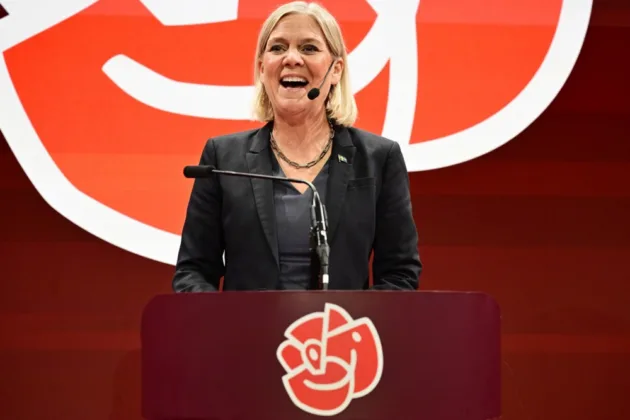
The Social Democrats took 28.1 per cent of the vote and 100 seats, remaining the largest party in the Riksdag as they have been at every general election for more than a century. That share was down 2.3 percentage points on 2022 and would be the party’s weakest parliamentary result since 1928 if it holds.
Their potential partners gained. The Left Party rose to 8.2 per cent and 29 seats and the Greens to 6.1 per cent and 22, the two biggest advances of the night, while the Centre Party took 7.1 per cent and 25 seats.
Kristersson’s Moderates edged up to 19.9 per cent and 70 seats, returning to second place. The Christian Democrats took 6.2 per cent and the Liberals 5.4 per cent, each gaining three seats, and the Liberals cleared the 4 per cent threshold that had been in doubt for much of the campaign.
The heaviest losses fell on the Sweden Democrats. The party dropped to 17.6 per cent from 20.5 per cent in 2022 and to 62 seats, 11 fewer than it won four years ago, halting a rise that had made it the decisive partner of the 2022 Tidö Agreement.
That deal gave Jimmie Åkesson’s party influence over immigration and crime policy without cabinet posts, and Kristersson had signalled he was ready to take it into government outright if the right-wing bloc held its majority. Sweden has moved during the term from one of the European Union’s most permissive asylum systems to one of its most restrictive.
Åkesson said on election night that the outcome would not be settled before further counting. Kristersson has not conceded, arguing that the new parliament holds a majority opposed to a left-led government and that he would examine possible combinations once the final figures are in.
Late advance votes and ballots cast at Swedish embassies are due to be counted from September 16, with the final allocation of seats not expected before the weekend of September 19-20. More than 3.6 million people voted early, a record.
Neither bloc campaigned to change Sweden’s backing for Ukraine or its NATO commitments, and Andersson would in any case need support from parties ranging from the Left to the Centre to govern.