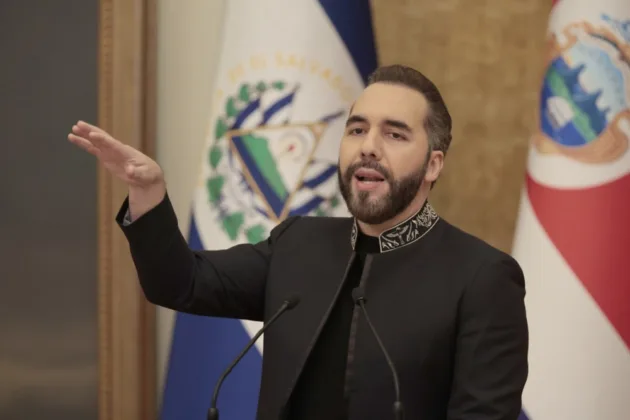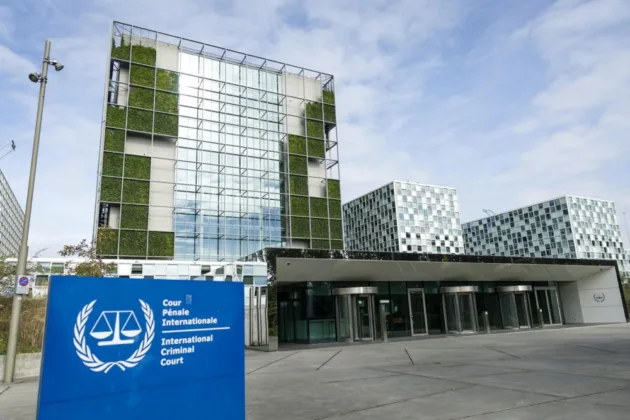





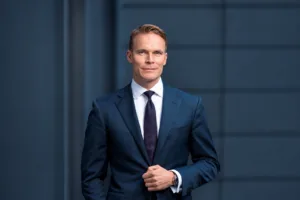
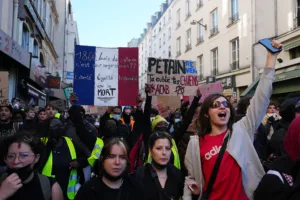
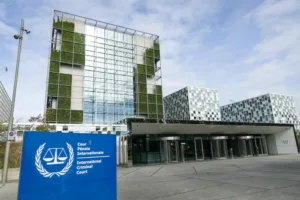

El Salvador’s President Nayib Bukele, the International Criminal Court (ICC) and the Israeli movement Standing Together have been put forward for the 2026 Sakharov Prize for Freedom of Thought, the European Parliament’s annual human rights award.
They were among six names presented on October 1 at a joint meeting of the European Parliament’s foreign affairs and development committees and its human rights subcommittee.
The other nominees were Hussam Abu Safiya, the Palestinian paediatrician who ran the Kamal Adwan hospital in northern Gaza and has been held in Israeli custody since December 2024, proposed by the Greens and The Left.
Also in contention was the Tanzanian opposition figure Tundu Lissu, backed by the European People’s Party (EPP) and the European Conservatives and Reformists (ECR).
Patriots for Europe nominated the Iranian sisters Taraneh and Romina Rahimi, who the group said had been sentenced to death and to 25 years in prison respectively. European Parliament President Roberta Metsola had already raised their case in plenary and called for their release.
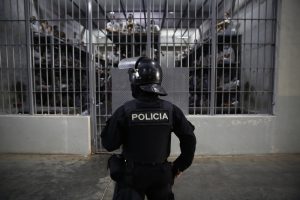
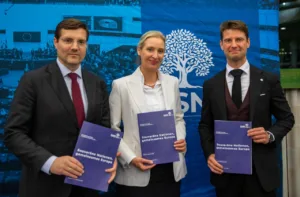
Bukele’s candidacy came from the right-wing Europe of Sovereign Nations (ESN) group, which pointed to his campaign against the gangs and the collapse in El Salvador’s murder rate since he took office in 2019.
The Socialists and Democrats (S&D) nominated the ICC and its officials, a court whose arrest warrants for Israeli leaders have divided EU member states. Renew Europe backed Standing Together, which it called the largest Jewish-Arab grassroots movement in Israel.
Bukele’s security model has drawn steady interest in Europe, where Reform UK leader Nigel Farage has floated renting prison places in El Salvador for foreign nationals held in British jails.
MEPs on the foreign affairs and development committees are due to vote on October 19 in Strasbourg, eastern France, to cut the list to three finalists.
The Conference of Presidents, which groups the European Parliament President and the political group leaders, would then pick the winner on October 22. The award ceremony is set for the plenary session on December 16.
Created in 1988 and named after the Soviet dissident Andrei Sakharov, the prize carries €50,000.
It has also become a regular source of friction. The 2024 shortlist drew accusations of political manoeuvring after Elon Musk, proposed by the Patriots group, was left out, and the 2025 nominations included Budapest Pride at the height of the dispute between Brussels and Hungary.
That prize went to the Belarusian-Polish journalist Andrzej Poczobut and the Georgian journalist Mzia Amaglobeli.
The list, running from a Central American president admired by parts of the European right to the court pursuing Israeli officials, says as much about the rival foreign policy instincts of the political groups as about freedom of thought.