








Around 60 members of the European Parliament, most of them women, have been targeted by pornographic websites carrying AI-generated images of them, Parliament President Roberta Metsola has said.
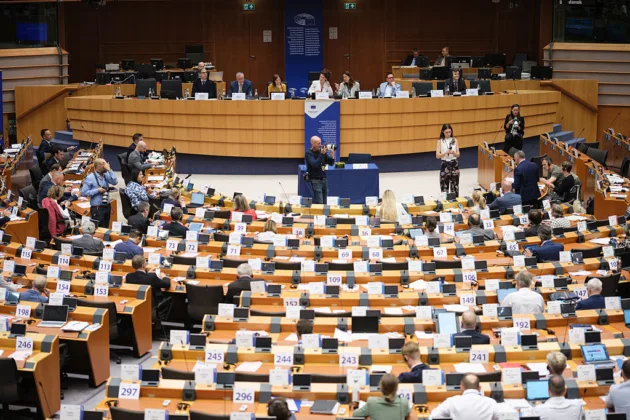
Metsola told the opening of the plenary session in Strasbourg on October 5 that the material had been fabricated using deepfake technology, which produces hyper-realistic images and video of real people. She said violence against women, online and offline, was intolerable and deplorable.
The Maltese centre-right politician said those targeted came from across the political spectrum and that the problem went beyond the images themselves. It amounted to an attempt to attack elected representatives while they carried out their work, she said.
Parliament would respond with every measure available to it, Metsola said, adding that such abuse could not be allowed to become the new normal. Rather than humiliate or silence those targeted, she said, the campaign would make them louder and more determined. She repeated the message on social media later the same day.
The statement came two months before an EU-wide ban on AI systems that generate non-consensual sexual imagery takes effect on December 2. The prohibition was added to the Artificial Intelligence Act through the Digital Omnibus package after the Grok affair, in which users of Elon Musk’s platform X generated sexualised images of women and children.
Brussels Signal reported in May that the EU had banned so-called nudifier apps while delaying wider AI Act rules. Michael McNamara, the Irish MEP who led the file, said the ban aimed to stamp out “nudification apps without consent, which have caused much pain for the profit of some”.
The same package pushed compliance deadlines for high-risk AI systems back to December 2027, and to August 2028 for systems embedded in regulated products. Breaches of the new prohibition carry fines of up to €35 million or 7 per cent of global turnover.
Metsola said the law was worth no more than the paper it was written on unless it was enforced, and urged member states to prepare to transpose the directive on combating violence against women.
That directive criminalises the non-consensual sharing of intimate images, including sexual deepfakes, across the bloc. Member states have until June 14, 2027 to write it into national criminal law, which leaves uniform penalties some 20 months away.
The European Commission opened an investigation into Grok in January under the Digital Services Act. X has since restricted image generation to paying subscribers.