


The European Union has agreed to open two more areas of its accession talks with Ukraine and Moldova, covering the internal market and competitiveness.
Irish minister of state for European affairs Thomas Byrne said on X that all 27 member states had backed the move on October 12, 2026. Ireland holds the rotating presidency of the Council of the European Union.
The two negotiating clusters were due to be opened formally at accession conferences in Luxembourg on October 13. Byrne called the day another “Super Tuesday” for Albania, Moldova and Ukraine.
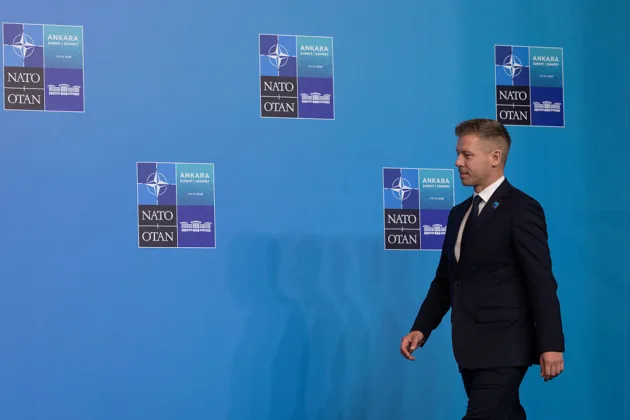
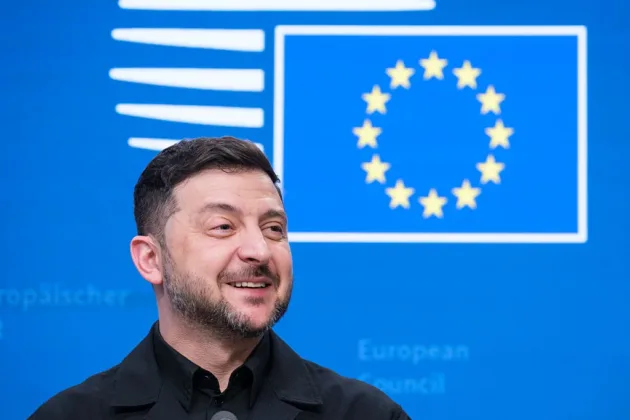
The agreement came hours after Ukraine’s parliament passed a law on minority-language schooling, which Hungary had set as its condition for dropping its objection. Budapest had held up the step repeatedly since July over the rights of ethnic Hungarians in Transcarpathia, western Ukraine.
Cluster two covers the free movement of goods, services, capital and workers. Cluster three takes in areas such as taxation, economic policy, education and research.
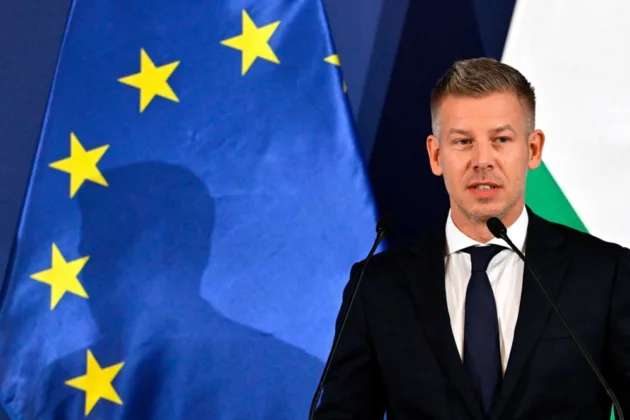
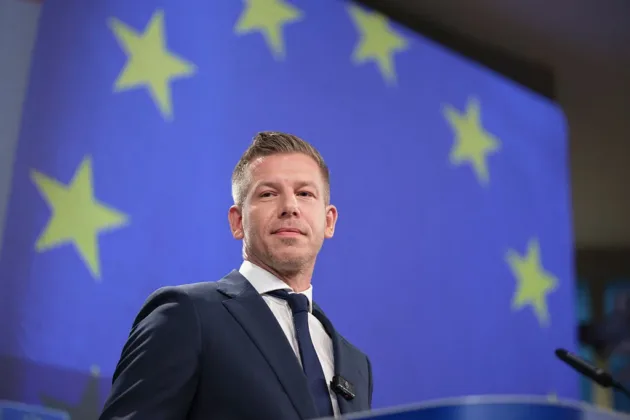
The two countries opened the first cluster, on fundamentals, on June 15 after Hungarian Prime Minister Péter Magyar lifted the two-year veto imposed by his predecessor Viktor Orbán. A second, on external relations, followed on July 14.
The two that remain shut deal with the green agenda and with resources, agriculture and cohesion. The European Commission considers both countries technically ready to open them.
Together the six clusters group 33 of the 35 chapters a candidate must complete. Each step requires the unanimous backing of member states, which leaves Budapest able to halt the process later.
Moldova’s bid is tied to Ukraine’s, so Chișinău has been held back by a dispute in which it plays no part.
European Council President António Costa welcomed the decision on X. “We look forward to opening all remaining clusters as soon as possible,” he wrote.
Byrne described enlargement as a geopolitical necessity for the EU. Magyar has ruled out any accelerated route for Kyiv, though.
He said on September 3 that Ukraine was not ready for membership and has promised a legally binding referendum in Hungary if it ever closes all its chapters.
Montenegro, the most advanced candidate, provisionally closed three more chapters at an accession conference in Luxembourg on October 12. They cover economic and monetary policy, statistics and social policy.
That brought its total to 21 of 33, the Council said, leaving 12 still to close. All had already been opened and the Montenegrin Government aims to conclude talks by the end of 2026.
Albania was due to close its fourth chapter, on enterprise and industrial policy, on October 13.
None of the closures is final until a deal has been reached on all chapters, the Council said.