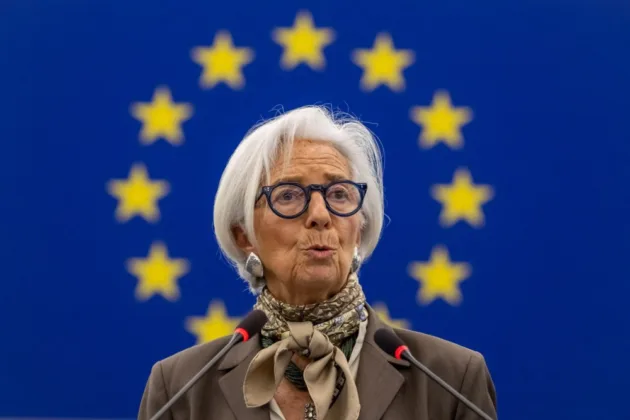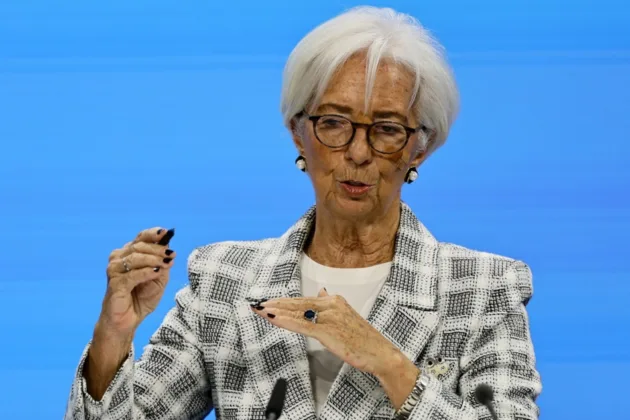





Eurogroup President Kyriakos Pierrakakis has asked eurozone governments to put forward candidates to succeed Christine Lagarde as head of the European Central Bank (ECB) by November 6.
A Eurogroup spokesperson confirmed the deadline in Brussels today. The Council of the European Union had already launched the appointment procedure, the spokesperson said.
Lagarde announced on October 29 that she would step down on February 7, 2027, nearly nine months before her eight-year term was due to end. She informed European Council President António Costa by letter the same day.
Costa said at the time the process to find her successor would “proceed without delay”. Finance ministers from the 21 member states that use the euro are expected to take a first look at the nominations at their meeting on November 9.
Under EU rules, the appointment falls to the European Council, acting on a recommendation from the Council of the EU adopted by eurozone countries.
Two men have dominated the race: Former Dutch central bank governor Klaas Knot and Pablo Hernández de Cos, a former governor of the Bank of Spain who now runs the Bank for International Settlements.
Both have the public backing of their governments. Hernández de Cos, whom the Spanish Government first lined up for the post in July, was endorsed by Spanish Prime Minister Pedro Sánchez on September 23.
Sánchez described him as an exceptional governor with the leadership and expertise needed to run the bank. Dutch Prime Minister Rob Jetten backed Knot days later in an interview with Bloomberg Television.
Jetten praised Knot’s pragmatism and his record at the helm of the Dutch central bank during some of the toughest economic periods of recent years.
France has also signalled support for Knot, Reuters reported in September, on condition that a French candidate takes the post of chief economist.
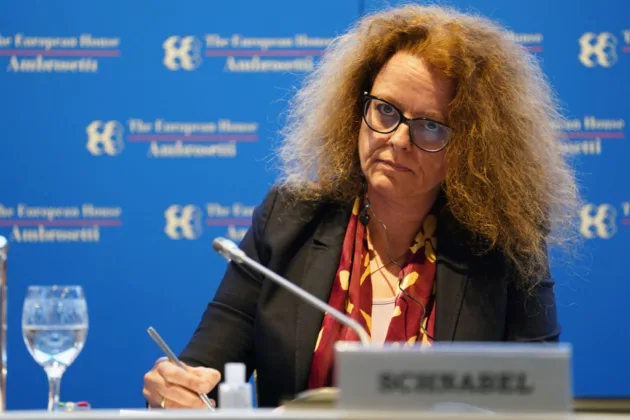
That condition points to a wider bargain. Isabel Schnabel is due to leave the Executive Board on January 3, 2027 for the International Monetary Fund and the Eurogroup opened the race to replace her in October.
The term of chief economist Philip Lane expires in May 2027. Governments could therefore negotiate all three seats as one package, with national balances weighing as heavily as monetary credentials.
The timetable has drawn criticism. Lagarde’s early exit means her successor would be chosen before France’s presidential election in April 2027, which polls suggest the right-wing National Rally could win.
The Financial Times reported in February that Lagarde wanted to leave early to give President Emmanuel Macron, who cannot stand again, a say in picking her successor. Critics said the manoeuvre raised questions over the independence of the ECB from national politics, though the bank has given no reason for her departure.