


Germany has accused European Council President António Costa of losing touch with reality in the negotiations on the European Union’s next seven-year budget.
Gunther Krichbaum, Germany’s Minister of State for Europe, criticised Costa as he arrived for a meeting of European affairs ministers in Brussels on September 22. He described a recent interview the Portuguese politician gave to Politico as unhelpful and called for more realism in the talks.
Krichbaum told reporters he wondered whether Costa had by now lost touch with reality entirely. He said national budgets were under enormous pressure and everyone knew there were limits to what member states could pay.
In the interview, given in Dublin at the end of a tour of EU capitals, Costa argued that agreeing new EU-wide taxes, known as own resources, was key to avoiding major budget cuts. He said such revenue would also keep national contributions to Brussels under control.
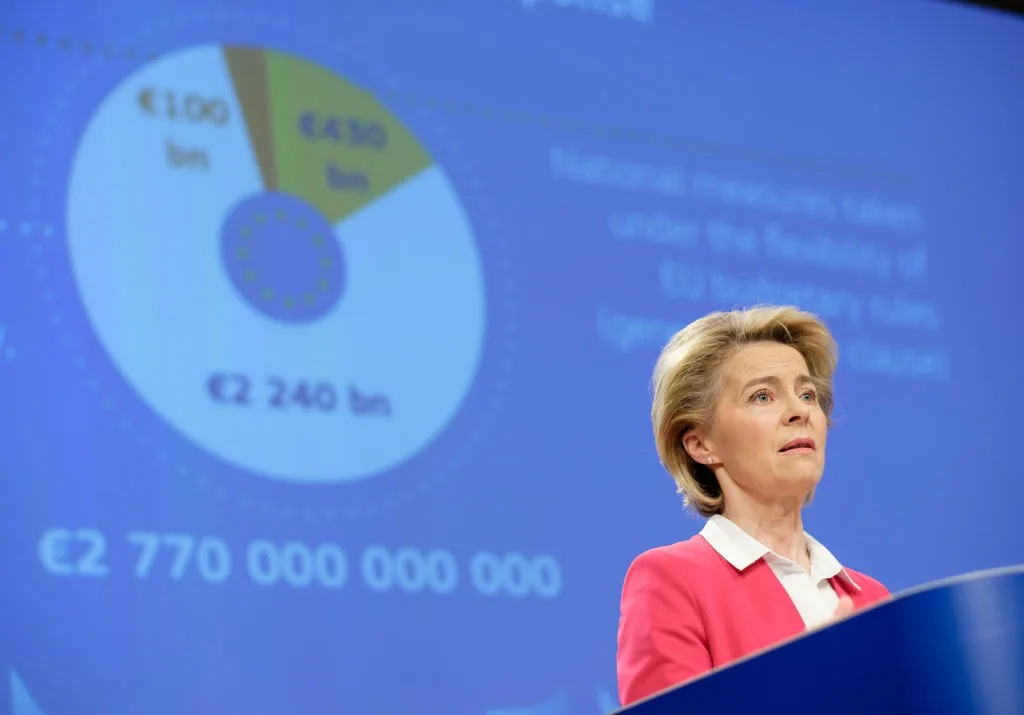
Costa also warned that cuts to the European Commission’s proposal for the 2028-2034 Multiannual Financial Framework (MFF), worth almost €2 trillion, risked running into opposition from many national governments.
Germany and its northern allies, whose payments into the EU budget exceed what they receive from it, are pushing in the opposite direction. They want the spending plan reduced by hundreds of billions of euros and argue that new EU taxes are no alternative to major cuts.
The divide has shaped the talks for months. On May 26, Germany, the Netherlands, Sweden, Denmark and Austria rejected a push by 15 member states to increase farm and cohesion spending, with Sweden ruling out both joint debt and new own resources.
The Commission has proposed levies including a tobacco excise duty and a charge on large companies. The European Parliament has called for further taxes on digital services, online gambling and crypto assets.
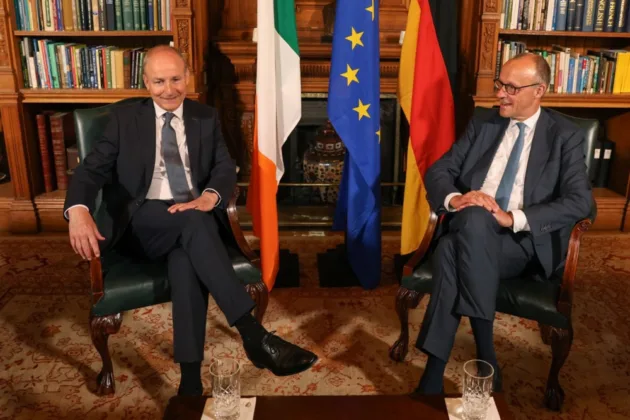
Ireland, which holds the rotating presidency of the Council of the European Union, is steering the budget talks. Governments have been lobbying Dublin to reflect their preferences in a new negotiating document, known as a negobox, that is due to be presented in early October.
The Irish presidency asked ministers at the September 22 meeting to set out where they were ready to compromise on the most sensitive issues. These included spending cuts and own resources.
Costa is set to take over the negotiations after a European Council summit in October, when EU leaders are due to respond to the Irish proposal. In the weeks before the interview, he visited 25 EU capitals to sound out leaders on the most difficult questions.