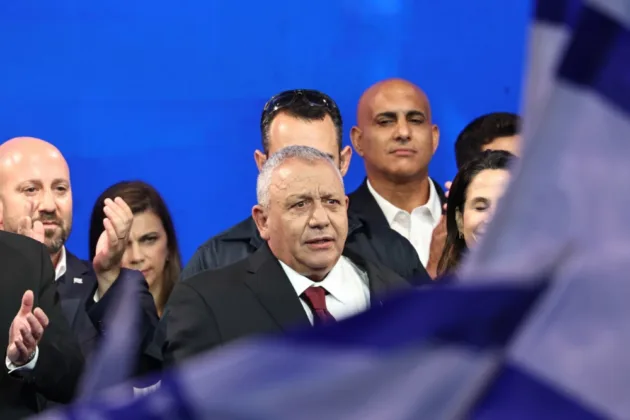



Israel’s president has held off on choosing who should try to form the next government, even though most lawmakers have backed opposition leader Gadi Eisenkot.
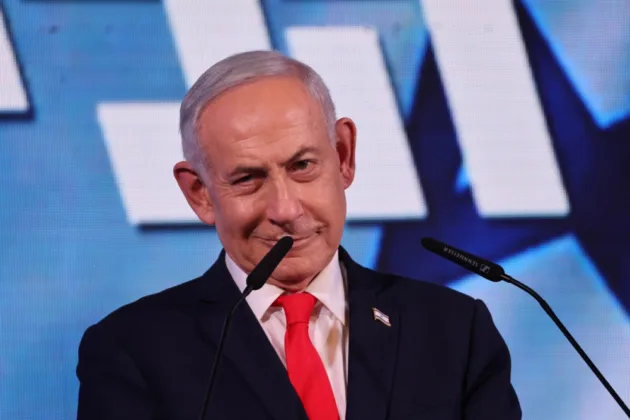
President Isaac Herzog said on November 5 that factions totalling 67 members of the 120-seat Knesset had recommended Eisenkot, while 46 had backed caretaker Prime Minister Benjamin Netanyahu. He said he would announce his choice on Sunday, November 8.
Herzog said the law required him to determine who was actually able to form a government. That, he said, was “not entirely clear, given the mutual vetoes between the blocs and within the blocs themselves”.
He said he would try to settle the question quickly through personal talks with several party leaders. He added that he would spare no effort to build bridges towards a stable government.
Herzog described his two days of consultations with the parties as open and frank. He said he had put difficult questions to them in an attempt to push them beyond entrenched positions.
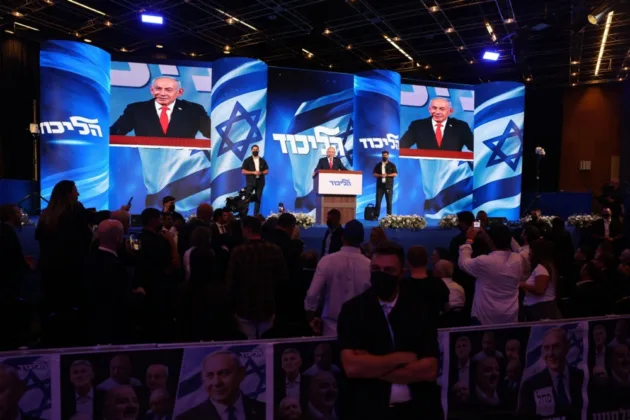
Eisenkot, a former military chief of staff, leads the centrist Yashar party, which came second in the October 27 election with 21 seats to 27 for Netanyahu’s Likud. It was Israel’s first general election since the Hamas attacks of October 7, 2023.
Neither bloc won the 61 seats needed for a majority, with Netanyahu’s camp on 53 and Eisenkot’s on 48. The difference was made by the Arab-majority parties Ra’am and the Joint List, which together hold 19 seats and both recommended Eisenkot.
That backing is a source of friction within the opposition. Yisrael Beytenu leader Avigdor Lieberman has ruled out a minority government that would depend on outside support from the two Arab parties.
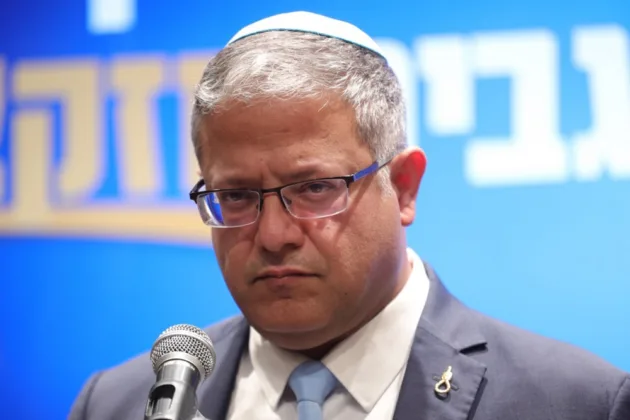
On the other side, United Torah Judaism (UTJ), the ultra-Orthodox party that had backed Netanyahu after each of the five previous elections, declined to recommend him this time. It did not endorse Eisenkot either.
Yashar said its leader had received the largest number of recommendations of any candidate since 2015. It said voters had expressed “a complete lack of confidence in outgoing Prime Minister Netanyahu and his government”.
The party urged Herzog to hand Eisenkot the mandate as soon as possible so he could form a national emergency government, citing security challenges and the need to rebuild the country. It warned that missing the opportunity could carry a heavy price and lead to fresh elections against the wishes of voters.
Whoever receives the mandate would have 28 days to form a government, with a possible 14-day extension. If that attempt failed, Herzog could hand the task to another lawmaker.